





 Portuguese
  English
  Spanish
  4 min of reading
  0 comments


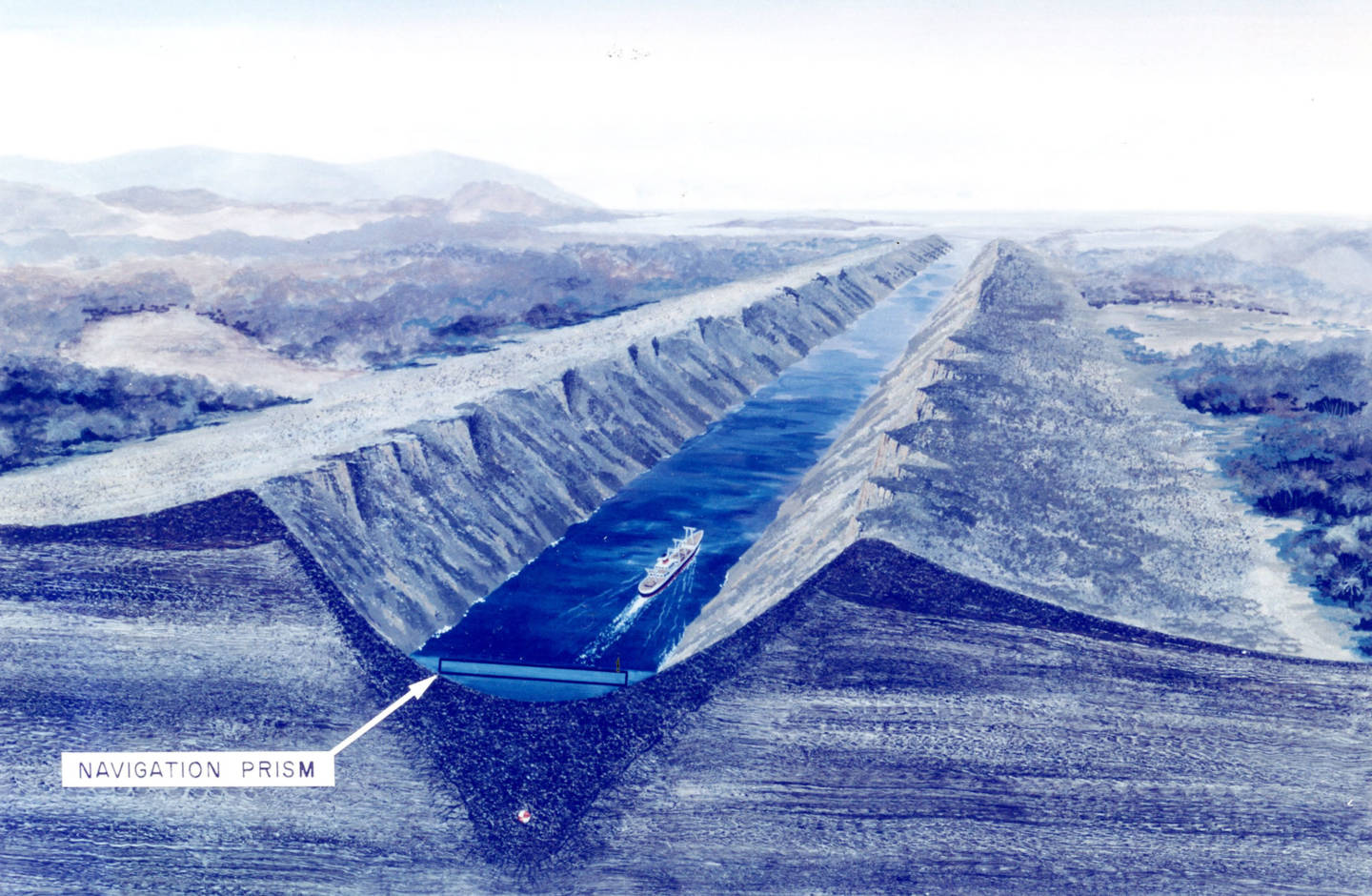
US Planned To Use Nuclear Bombs To Dig Ports And Channels: The Project Plowshare Proposed Mega Civil Works With Atomic Explosions During The Cold War.
On July 15, 1957, in Washington, D.C., the United States Atomic Energy Commission (U.S. Atomic Energy Commission – AEC) officially announced a program that today seems like science fiction: the Project Plowshare. The proposal was simple on paper and radical in practice — to use “peaceful” nuclear explosions as heavy engineering tools, capable of digging ports in remote areas, opening interoceanic channels as alternatives to Panama, creating road cuts, and even stimulating natural gas extraction.
The logic was purely physical. A subterranean nuclear detonation releases, in fractions of a second, energy equivalent to decades of excavator work. For engineers and strategists of the 1950s and 1960s, this seemed like the definitive solution for colossal works in hostile environments.
The Engineering Behind The Idea Of The Project Plowshare
A nuclear explosion does not “push” the soil like a tractor. It vaporizes rock, generates a bubble of superheated gas, causes the collapse of upper layers, and creates gigantic craters.
-
Amid the United States’ economic blockade, China delivers 15,000 tons of rice to Cuba as part of a 60,000-ton donation personally approved by Xi Jinping. The package includes 80 million dollars and solar panels for hospitals.

-
For around 200 reais, anyone can buy a kit and have a chip implanted between their fingers to replace cards, keys, badges, and even medical information in case of a hospital emergency.
-
A 600-meter hill in the interior of Santa Catarina hides a volcanic past of almost 600 million years. The Morro do Garrafão in Corupá may have been an ancient extinct volcano, and science now confirms what the residents have always suspected.
-
Family has lived for over 50 years without electricity and running water at home in the South of Minas, 10 minutes from the city, improvising light, bath, and water while facing a lack of basic resources and awaiting property regularization.



AEC calculations indicated that a bomb between 100 and 1,000 kilotons could displace tens of millions of tons of material at once, something unthinkable with conventional technology at the time.
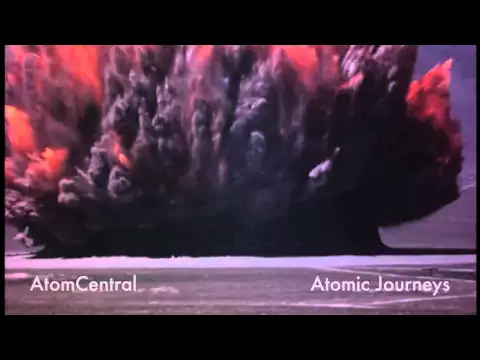

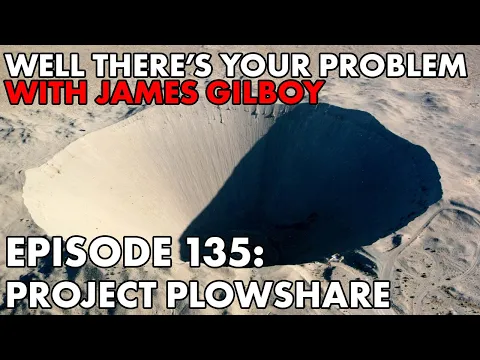
The most emblematic case occurred on July 6, 1962, in the Nevada Desert, during the Sedan Test. The explosion, measuring 104 kilotons, created a crater approximately 390 meters in diameter and 100 meters deep, displacing about 12 million tons of soil. To this day, it is the largest artificial crater produced by a nuclear explosion in the United States.
For supporters of the program, that was proof that the concept worked.
Nuclear Ports, Channels, And Highways
Among the projects officially studied by the AEC and contracted engineers were:
- Dredging ports in the Arctic regions of Alaska, where the frozen soil made conventional works slow and expensive.
- Alternative maritime channels to the Panama Canal, crossing Nicaragua or the Colombian isthmus, using sequences of detonations to open continuous cuts.
- Road and rail cuts through mountain ranges, drastically reducing time and earthmoving costs.
Technical reports estimated that a coordinated sequence of explosions could replace years of works, with direct savings of billions of dollars in machinery and labor, at least in theory.
The Invisible Problem: Residual Radiation
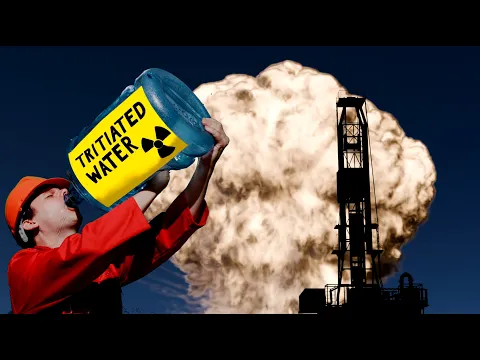
What began to undermine Project Plowshare was not the engineering, but radiology. Even “clean” underground explosions produced persistent radionuclides, such as cesium-137 and strontium-90, which contaminated the soil and were released into the atmosphere along with fine dust.
In the Sedan test, for example, the radioactive cloud spread across several American states. Subsequent studies showed that it was responsible for one of the largest collective doses of radiation ever associated with a single nuclear test in the US. This made any real civil use unfeasible:
- Ports would remain radioactive for decades.
- Channels would cross areas uninhabitable or commercially operable.
- Highways and railways would become permanent risk zones for workers and neighboring populations.
Attempt To “Nuclearize” The Gas Industry
Project Plowshare also advanced beyond excavation. Between 1967 and 1973, the US tested underground nuclear explosions to fracture deep rock formations and release natural gas — a concept that extreme anticipates modern hydraulic fracturing.
Tests such as Gasbuggy, Rulison and Rio Blanco demonstrated that gas could indeed be released, but it came contaminated with tritium and other radionuclides, making it unsuitable for commercial use. The “nuclear gas” simply had no market.
Political Pressure And International Treaties
Starting in the 1960s, the geopolitical landscape changed. In 1963, the Partial Test Ban Treaty had already limited atmospheric detonations.
In the following decade, broader treaties and public opinion pressure made it politically unsustainable to advocate for nuclear explosions as civil tools.
Moreover, neighboring countries made it clear that they would not accept radioactive channels or ports on international routes. The diplomatic risk began to outweigh any technical gain.
The End Of The Project Plowshare
In 1977, the United States government officially ended Project Plowshare. In total, there were 27 “peaceful” nuclear explosions conducted under the program. None resulted in permanent civil application. The final balance was harsh:
- Engineering worked.
- Physics was correct.
- Biology, public health, and politics made everything unfeasible.
Today, Project Plowshare is studied as an extreme example of Cold War technological optimism, when nuclear energy seemed capable of solving any problem — from warfare to agriculture, from electricity to continent excavation.
It also left a lasting lesson for modern engineering: not every energy-efficient solution is socially, environmentally, or politically acceptable. Excavators evolved, tunnel boring machines became more powerful, and the idea of using atomic bombs for civil works became restricted to archives — and the craters that still mark the American desert.







Be the first to react!