






 Portuguese
  Spanish
 3 min of reading
  0 comments


The Delivery of New Vessels from the TIPITI Project Drives Extractivism in Brazil, Expanding Sustainable Transportation and Integrating Amazonian Communities in Pará
The extractivism in Brazil plays a decisive role in the green economy and the preservation of the Amazon, according to a report published.
In the state of Pará, this relevance was reinforced with the delivery of new boats from the Transportation and Integration of Sociobioeconomics and Amazonian Extractivism Project (TIPITI).
The initiative, coordinated by the National Council of Extractive Populations (CNS) and supported by the National Supply Company (Conab), has transformed the logistics of riverside and quilombola communities, promoting access to markets and strengthening sustainable food supply.
-
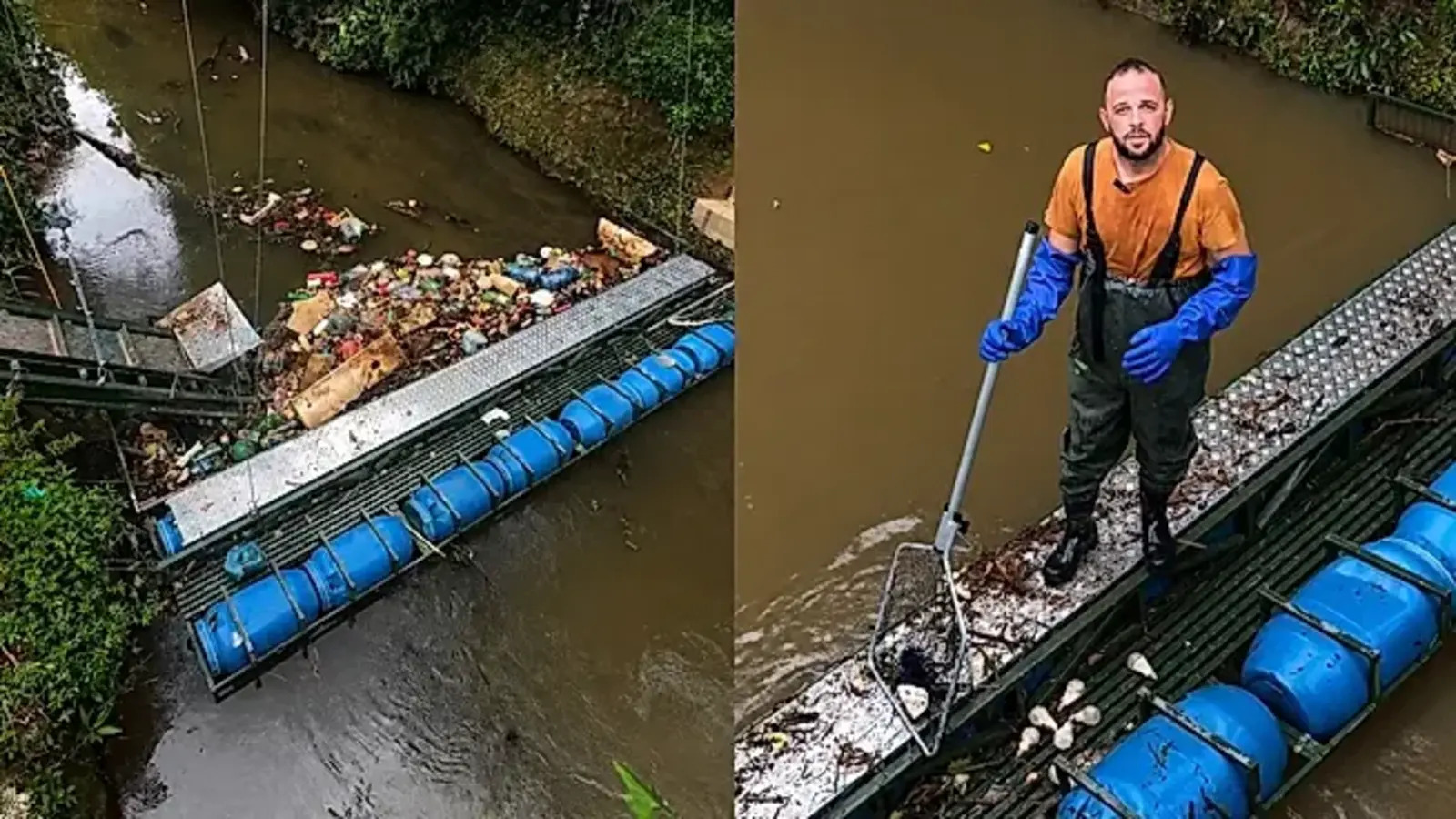
Brazilian promises his children to save a river, creates an eco-barrier in his backyard, has already removed more than 40 tons of trash from the water, and even inspires the idea in other states of the country.

-
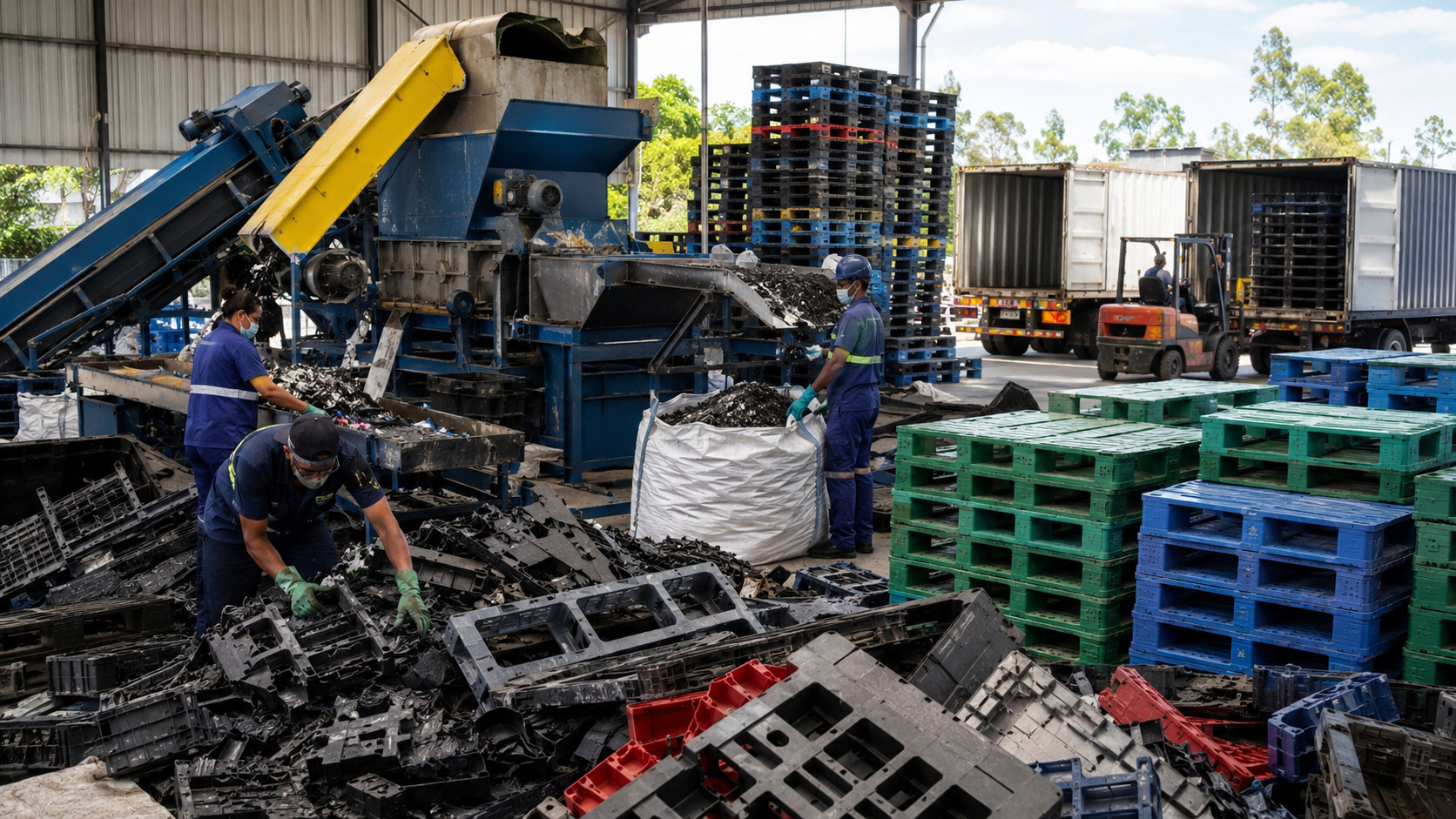
How a Brazilian company created a system that transforms broken pallets of any brand into new assets, recycles 80 tons of plastic per month, and found a profitable solution to a problem that challenges industries across the country.

-
Invasive bullfrog capable of devouring other amphibians and laying up to 20,000 eggs is found in Florianópolis, raising an alert about the threat to native fauna.
-
It looks like a baby, but it’s an adult: meet the Bornean pygmy elephant, the smallest elephant in the world threatened by habitat loss.


During the ceremony held on November 3rd, the regional superintendent of Conab, Rosanna Vallinoto, represented the Company in the delivery of the vessels, marking a new advance in river integration and local socioeconomic development.
Strengthening Sociobioeconomics and Sustainable Transportation in Pará
With a focus on sustainable river transportation in the Amazon, the TIPITI Project has ensured better conditions for extractive communities in Pará to market their products.
The delivered vessels are essential for the transportation of food and raw materials produced by family farmers and quilombolas to collection and distribution points of the Food Acquisition Program (PAA).
Due to the geographical characteristics of the region, where rivers are the main mobility routes, the boats make the delivery process faster, safer, and more efficient.
This transportation model is essential for hard-to-reach locations, such as Breves, one of the main municipalities benefiting.
The new vessels also facilitate the logistical steps of the PAA in the Simultaneous Donation Purchase modality, allowing food acquired by Conab to reach institutions that serve families in food vulnerability.
Thus, TIPITI not only improves transportation flow but also strengthens the link between extractive production and regional food security, consolidating extractivism in Brazil as a strategic pillar of Amazonian sociobioeconomics.
Social Impact and Strengthening Family Agriculture
Another highlight of the project is the expansion of family agriculture in the Amazon, strengthening small producers through institutional partnerships.
In 2025, Conab in Pará received 270 proposals for food supply, of which 246 were classified and 89 contracted.
The investment benefited several municipalities, especially Breves, where four supplying organizations are involved in the transport of 11 tons of food.
During the delivery of the boats, two of these organizations signed the Family Agriculture Pact Term (TPAF), a document that formalizes participation in the food supply for the program.
The new vessels will allow products to be collected efficiently and distributed to the seven local receiving units, serving 2,106 people.
These actions strengthen the regional logistics system and ensure that extractivism and family agriculture move together, contributing to the sustainable economic development of the state.
The model adopted by TIPITI exemplifies how extractivism in Brazil can drive integrated, sustainable, and inclusive production chains.
Institutional Partnerships and Expansion of the Extractivist Logistical Model
The success of TIPITI in Pará inspires new initiatives aimed at the productive integration of Amazonian communities, showing how effective public policies can transform local realities.
Conab, in partnership with the CNS, has worked to make river transportation a development vector, allowing communities to reach markets, reduce losses, and increase income.
The boats from the TIPITI Project represent more than just a means of transport; they are instruments of citizenship and productive inclusion.
By connecting family producers to institutional supply networks, they ensure continuous access to government programs, strengthening the economy and food security in hard-to-reach regions.
This logistical model, centered on sustainability and the appreciation of traditional knowledge, reinforces the country’s commitment to bioeconomy and the ecological transition.
The enhancement of river routes and integration with social programs expand the reach of extractivism in Brazil, ensuring that Amazonian sociobioeconomics advances in a fair, solidarity-based, and environmentally responsible manner.






Be the first to react!