






 Portuguese
  Spanish
  4 min of reading
  0 comments


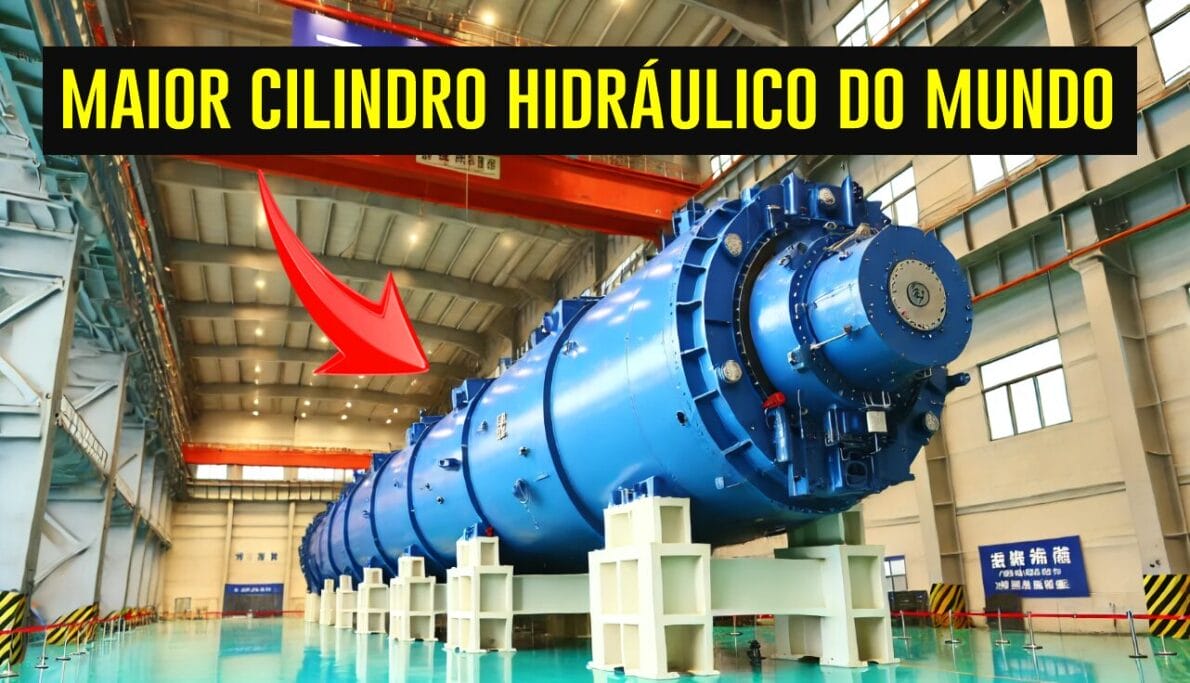
The Most Powerful Hydraulic Cylinder in The World Was Created by a Chinese Manufacturer and Can Lift The Equivalent of 1,000 Elephants. See How This Technology Is Transforming The Naval Industry with Its Impressive Strength and Extraordinary Capacity!
The China has reached a new milestone in its technological advancement with the creation of the largest and most powerful hydraulic cylinder ever produced, designed for use in pile-driving vessels for maritime infrastructure projects, rejuvenating the country’s naval industry.
This impressive cylinder has a thrust capacity of 5,000 tons, equivalent to the force of pushing 1,000 adult African elephants.
Independently developed in the country, it is a symbol of the Chinese effort to become technologically self-sufficient. The equipment came off the production line in the city of Changzhou, located in Jiangsu province.
-
North Korean Fiasco: Launch of the Largest Warship Ends in Sinking

-
While giant ships still burn heavy fuel and the maritime sector races against climate targets, Maersk and Vale are starting to bet on ethanol as a new route to reduce emissions at sea.

-
China begins construction of the world’s largest LNG ship, a 344-meter giant capable of supplying 4.7 million homes for a month, carrying 271,000 m³ of gas, and placing QatarEnergy in the largest naval order ever recorded in world history.
-
China is designing a container ship with a thorium nuclear reactor that will operate for 40 years without refueling, and the 25,000-container giant from Jiangnan Shipyard will cross oceans without emitting carbon in an industry that burns 300 million tons of fuel per year.



A Milestone in The Pursuit of Technological Self-Sufficiency
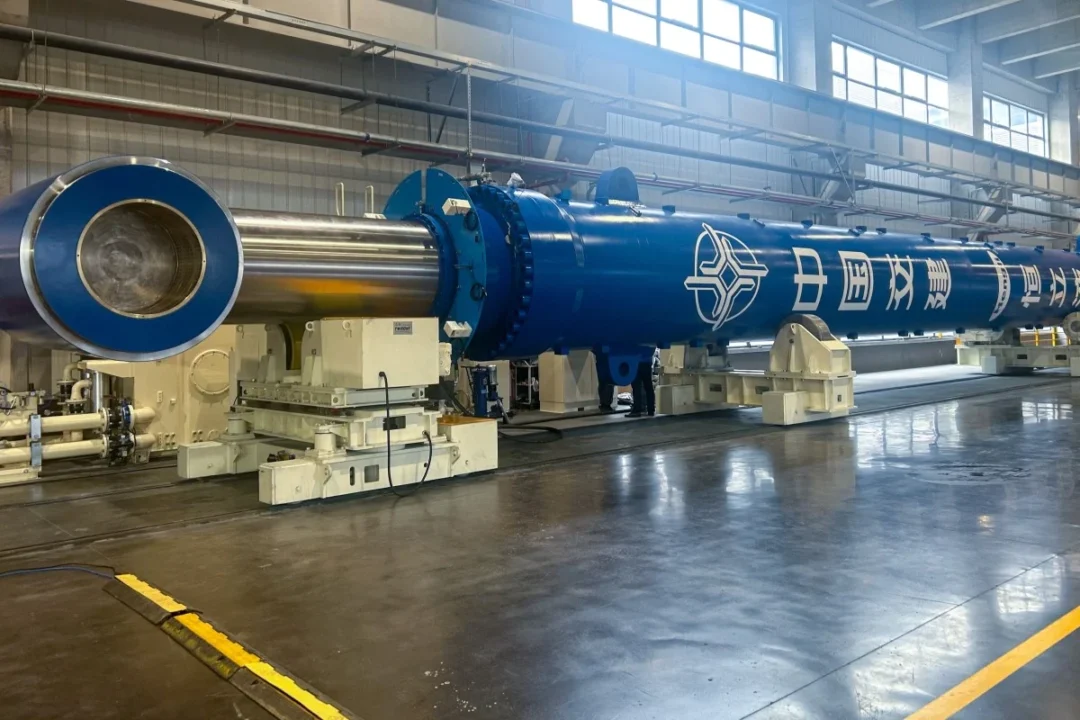
This advancement is not only technological but also strategic. Until the development of this cylinder, China heavily relied on importing essential components for naval industry projects. Imports included everything from large hydraulic cylinders to critical parts like sealing rings and corrosion-resistant materials.
With local production, the country now controls the technologies necessary for the manufacture of this type of equipment, marking a significant step in replacing foreign components with domestically developed alternatives.
The national production of these cylinders strengthens China’s capacity to build maritime infrastructures independently, reducing costs and external dependencies, as well as stimulating internal innovation.
Technical Specifications of The Cylinder
The cylinder, manufactured by the state-owned China Communications Construction Company (CCCC), has impressive dimensions: 28 meters in length and 2 meters in diameter, similar to the height of a 10-story building.
It will be the centerpiece of a 150-meter pile-driving vessel currently under construction. The ship will be used in major infrastructure works, including the construction of the Cross-Sea Railway Bridge in Hangzhou Bay, which will be the largest in the world over the sea and is expected to be completed by the end of this year.
This type of vessel is crucial in maritime engineering works, where it is necessary to drive piles into the seabed to support large structures. The development of this cylinder allows China to make a leap in projects like this, where it previously relied on foreign technology.
Support for Offshore Renewable Energies
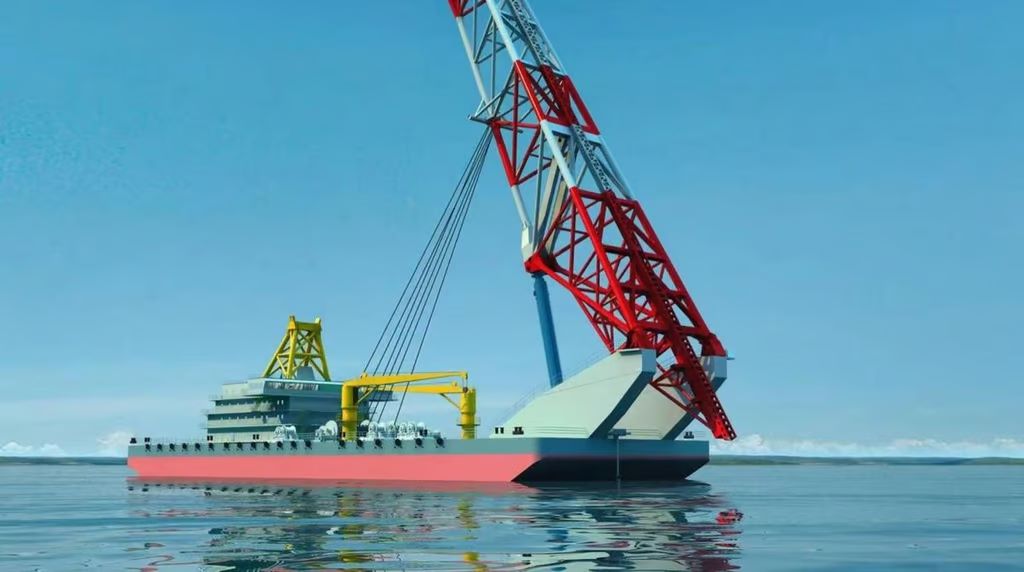
In addition to its fundamental role in building maritime bridges, the cylinder will also be essential for the installation of offshore wind drilling platforms.
China has heavily invested in renewable energy development, with a special focus on offshore wind farms.
Pile-driving vessels equipped with these powerful cylinders facilitate the installation of wind turbines in deep waters, increasing operational efficiency and reducing environmental impact in coastal areas.
The Asian country already accounts for over 50% of the installed offshore wind capacity in the world, according to 2023 data. This advancement is part of a larger strategy to reduce carbon emissions and meet sustainability goals, positioning offshore wind energy as one of the main sources of clean energy in the country.
Collaboration for Sustainable Innovation in The Naval Industry
The development of this cylinder is the result of collaboration among various companies and research institutions. In July of this year, an innovation consortium in naval industry was formed in Beijing, composed of CCCC, other state-owned enterprises, private organizations, and renowned universities such as Tsinghua University.
This consortium aims to advance the construction of maritime infrastructures, focusing on the installation of offshore wind and solar energy, as well as the protection and restoration of coastal bays.
This type of collaboration reflects the Chinese strategy of promoting technological development through public-private partnerships, aimed at consolidating the country’s leadership in sustainable technology.
Chinese Leadership in Engineering and Clean Energy
The development of the largest hydraulic cylinder in the world is a significant achievement that demonstrates China’s commitment to technological self-sufficiency and progress in sustainable infrastructures.
This innovation places the country in a leadership position in the construction of large maritime works, such as bridges and offshore wind farms, which are crucial for the transition to a low-carbon economy.
With the growing demand for renewable energy and the need to reduce dependence on fossil fuels, China continues to invest in technologies that strengthen its internal capabilities and promote a more sustainable future.
The largest hydraulic cylinder in the world, now manufactured in the country, represents a major leap in this path, reinforcing China’s leadership in sustainable engineering and the development of new energy technologies in the naval industry.




-

1 person reacted to this.