Portuguese
  Spanish




In China, Car Factories, Robots, and Foundries Become Tourist Attractions — And Showcase the New Face of Chinese Industry
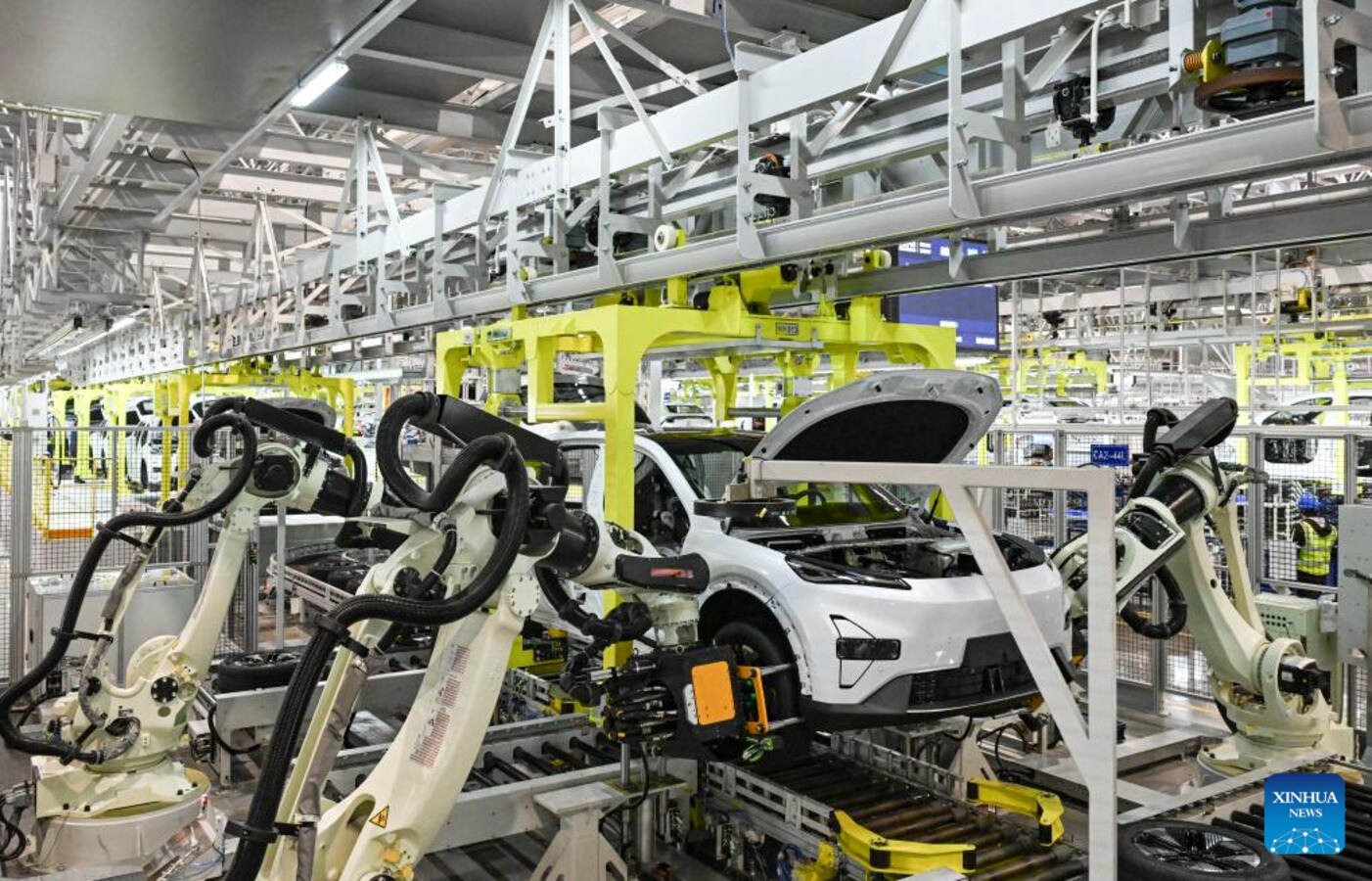
China has transformed part of its industrial park into a tourist spot. In recent months, factories of electric cars and humanoid robots have attracted crowds. What was once an exclusive territory for engineers and technicians has now become a tour for families, schools, and businesses.
Itineraries Include Robots, Foundries, and Monorails
The report visited three Chinese industrial hubs that exemplify this new phenomenon: the BYD factory in Xi’an, the Geely factory in Changxing, and the Magiclab Robotics factory in Suzhou.
At BYD, considered the largest manufacturing unit of the automaker in the world, visitors can board a monorail between buildings and observe the assembly line from an open minibus.
-
France Revamps 530 Social Housing Units with Large Balconies and Glass Facades Without Demolishing Existing Buildings

-
10-Year-Old Max Makes History with Paris Fashion Show, Launches Own Brand, Hires Staff, and Sets World Record as Youngest Runway Designer

-
Bolivian Female Construction Workers Form Association to Combat Discrimination and 38% Pay Gap in the Industry
-
Near Amsterdam, residents buy land and discover they must also build streets, manage drainage, handle waste, and grow food on half their plot.




The demand is so high that reservations must be made ten days in advance. Schools and companies take priority.
At Geely, the tour also includes a small vehicle to transit between sectors. The highlight is the giant robots in action.
They assemble parts of the cars with minimal human intervention. Visits occur on Saturdays.
Groups of 15 to 20 people pay 299 yuan (R$ 230) per ticket. Children are allowed, provided they are over five years old. However, photography is prohibited for the general public.

Humanoid Robots Are the New Hosts
In Suzhou, Magiclab bets on a more open experience. The factory allows filming and photography. Humanoid robots and moving robotic dogs are part of the visit.
They are assembled and tested in front of the visitors. The directors themselves, including CEO Wu Changzheng, conduct the explanations.
Startups in the region, such as Leju Robot and AISpeech, have also engaged in the practice. They see tourism as a marketing strategy.
The goal is to attract attention, gain recognition, and establish their names in the market. In the case of AISpeech, the focus is on artificial intelligence applications, such as simultaneous translators.
Xiaomi Becomes a National Highlight and Shakes Up Competition
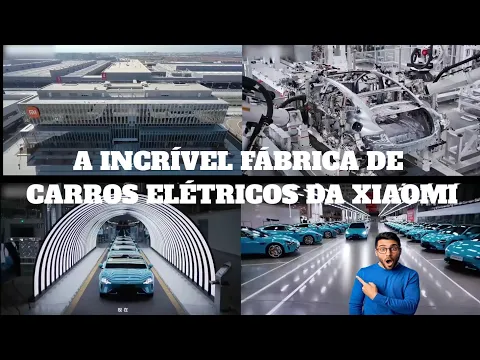
In Beijing, the Xiaomi factory has become a must-see on the itinerary. Tourists visiting the Great Wall and the Forbidden City also stop by the Yizhuang district, focused on high technology.
The SU7 model, launched in April last year, made an impact by competing directly with German Porsche. The response was so strong that, since January, the assembly line has been open to the public.
Provided data reveal that the factory’s automation rate is 91%. There are 700 robots producing a new car every 76 seconds.
The most visited area is the foundry section, where molten metal creates parts without interruption. For safety, visitors must follow strict rules regarding clothing and hygiene, such as wearing long pants, long-sleeve shirts, and tying back hair.
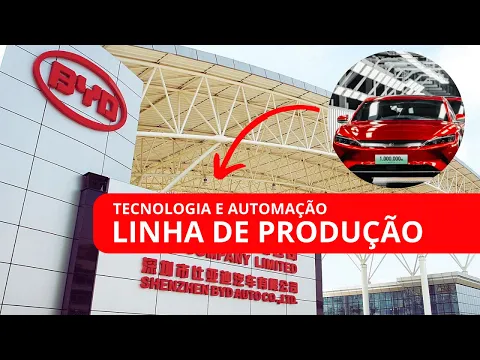
Photo Ban Does Not Deter Visitors
Just like at Geely, Xiaomi controls the use of cell phones. The company wants to prevent leaks of its industrial processes.
Even with these restrictions, the demand for tickets is intense. They are raffled for free but can be resold online for up to 2,000 yuan (R$ 1,540).
Idea Comes From the 1990s, but Has Only Now Gained Strength
The concept of “industrial technological tourism” is not new in China. In the 1990s, the FAW group had already created an agency focused on this type of visit.
The assembly line of the Hongqi, the official limousine of the Chinese government, was one of the first to open its doors. This same model was praised by American President Joe Biden in a meeting with Xi Jinping in 2023.
Despite this, the recent major push occurred after the Shanghai International Tourism Fair in November last year.
The Xiaomi booth sparked debates and curiosity. Since then, other factories have followed the trend.
Examples Scattered Across the Country Increase the Attraction
In addition to the giants BYD, Geely, and Xiaomi, other initiatives stand out. Among them, the “dark factory” of GAC Aion in Hunan operates without humans.
The industrial park of Sany, also in Hunan, offers visits to heavy trucks. In Shanghai, AgiBot has set up the country’s first mass production line of humanoid robots.
Therefore, Chinese industrial tourism has become a showcase of innovation. Among robots, vehicles, and foundries, China has found another way to display its technological strength — and attract attention from around the world.
With information from Folha de São Paulo.