





 Portuguese
  English
  Spanish
  5 min of reading
  0 comments


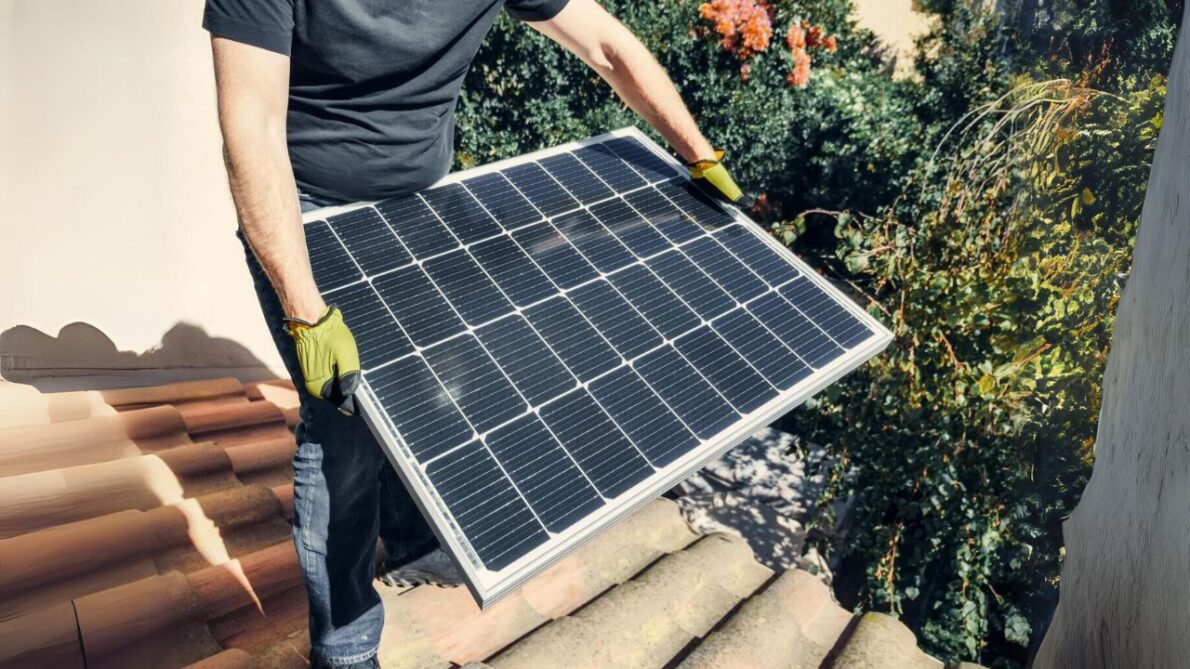
Learn How to Evaluate Solar Panels Before Buying. Discover the Importance of Efficiency, Power, and Type of Solar Cell to Ensure the Best Energy Return for Your Home
The detailed specifications in a solar panel’s technical sheet provide information about its expected performance under specific conditions. When purchasing solar energy panels, it can be difficult to identify the most crucial metrics for choosing the best panel.
It is recommended to focus on key specifications such as power output, efficiency, and temperature coefficient of the panel. Depending on the location, other indices may also be valuable. Considering these factors, it is possible to make a more informed decision when selecting a solar panel and comparing solar quotes.
Power Output
Listed as: Pmax, PMPP
The power output of solar panels is a fundamental rating measured under Standard Test Conditions, a standardized set of laboratory conditions for testing all solar panels. Sometimes referred to as panel power or size, power output describes the amount of energy a solar panel can produce.
Most residential solar panels these days typically have power ratings around 400 W. However, panels with at least 370 W can effectively meet the needs of most homeowners.
-
Farmers swapped diesel for solar panels in Pakistan, powered irrigation pumps almost cost-free, expanded rice fields, and now groundwater has become a red alert in the countryside.

-
Migrant workers left the world’s largest renewable energy park in India after extreme heat, 12-hour shifts, delayed wages, and poor accommodations at a site that still promises to supply 18 million homes.
-
Taiwanese fishermen accepted offshore wind turbines in the name of clean energy, but now they say that old routes have disappeared, fish have decreased, and income has become uncertain on the coast.
-
Europe wants to hold onto the black powder from used batteries because this dark residue contains valuable metals, can supply up to 1 million electric cars per year, and has become an industrial dispute.



Understanding the power output of a panel is crucial because it directly influences the number of panels needed to cover the electricity bill. Higher power output means fewer panels are required.
It’s important to note that while panels are tested under STC for comparison purposes, their performance under real conditions will differ. To better understand performance in practical scenarios, some panels undergo additional testing under PVUSA (PTC) test conditions. Some manufacturers, like Silfab, provide PTC ratings, which may also be labeled as NOTC (Nominal Operating Cell Temperature).
Module Efficiency
The efficiency of a solar panel represents the percentage of sunlight that the panel can convert into usable electricity. The average solar panel has efficiency ratings ranging from 19% to 21%, while the highest efficiency residential solar panels available today reach maximum efficiency ratings of up to 22.8%. Increases in solar panel efficiency have occurred over time, and it is possible that new technologies will take us even higher in the near future.
Some brands prominently highlight the efficiency rating in their marketing to attract customers. However, it is crucial to note that power output is a more reliable indicator of a solar panel’s energy production. Panel efficiency is already taken into account when rating its output.
Efficiency becomes particularly significant for homeowners with limited roof space. High-efficiency panels can generate more power in less space, making them an excellent option for smaller roofs. However, for those with ample space, panels within the average efficiency range are more than capable of meeting energy needs.
Temperature Coefficient
Listed as: Temperature Coefficient (PMPP), Temperature Coefficient (Pmax)
Solar cells, made from semiconductor materials, see a decrease in voltage as their temperature increases. Simply put, as solar panels heat up, their power output drops slightly.
The effect that temperature has on solar performance is represented by the temperature coefficient, which measures how much power output decreases for each degree above 25°C that a solar panel’s surface reaches.
Most solar panels these days have a temperature coefficient between -0.3% and -0.5% per degree Celsius. The closer the temperature coefficient is to zero, the better. For example, Panasonic’s EverVolt panels stand out with some of the best temperature coefficients in the market at -0.26%.
Note that decreases in performance due to temperature are generally minimal. However, the temperature coefficient shows how the panel can handle real-world conditions.


Type of Solar Cell
Each solar panel is made up of a series of individual solar cells that have been connected together. The type and construction of the solar cells impact the panel’s performance.
Monocrystalline solar cells are widely preferred for residential installations, as they are the most efficient and have a good appearance. Some sites may mention polycrystalline and thin-film solar panels, but these are typically not used in residential installations.
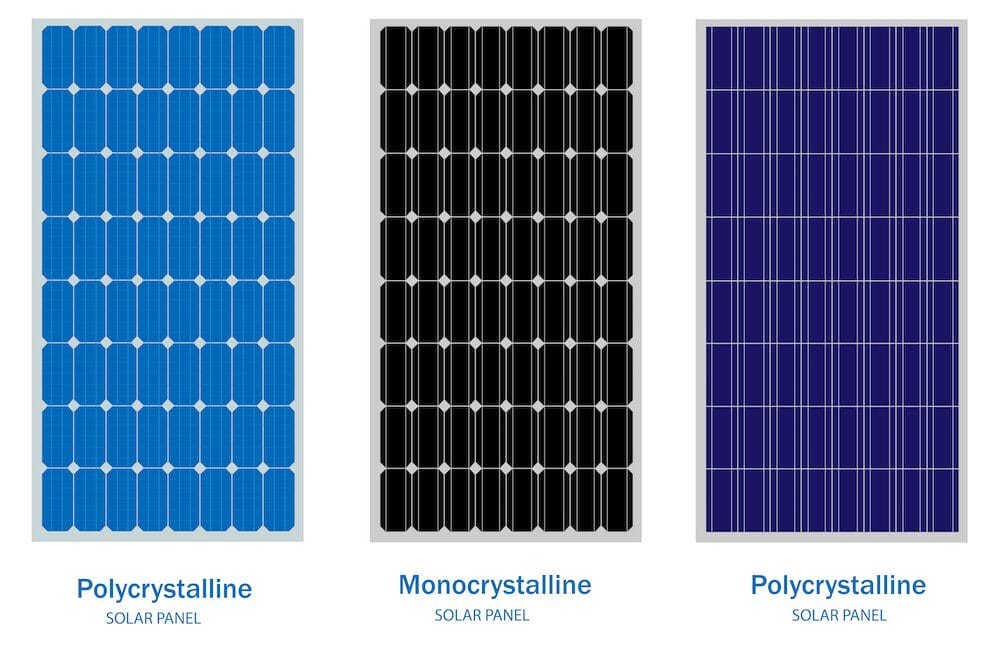
Monocrystalline solar cells can be manufactured in several ways to improve performance. Modern solar panels use PERC (Passivated Emitter and Rear Cell) or TOPCon cells, which feature additional layers to increase efficiency and output ratings.
Many manufacturers use half-cut solar cells, where the traditional cell is cut in half to reduce resistive losses, and the entire panel is wired to minimize the impact of shading.
Dimensions
The physical size of a solar panel is a crucial factor, particularly for homes with complex or older roofs.
Typically, solar energy panels weigh around 18 kg, with dimensions exceeding 1.5 meters in length and 1 meter in width. Specific dimensions may vary between different models of solar panels.
In most cases, residential roofs can easily support the additional weight of solar panels and accommodate a medium-sized solar system. However, for older homes, it is advisable to seek a professional inspection to ensure that the roof can safely support the solar panels. Additionally, if the roof has a complex shape, the dimensions of the panels become more important.
Generally, your solar installer can find the appropriately sized panels for your home based on the characteristics of your roof.
Maximum Surface Loads
Listed as: Maximum Static Load, Snow Load, Wind Load
Solar panels are installed on the roof, exposing them to all the elements. Manufacturers design the panels with this in mind, which is why they are built to withstand strong winds and snow.
Most solar panels are rated to withstand 5000 pascals (Pa) of pressure or more, equivalent to 0.6 to 1.2 meters of snow, depending on snow density. Some homeowners may not need to worry about this, but those living in colder regions may want to know if snow-covered solar panels will affect them.
In addition, the panels are built to withstand wind speeds of approximately 225 kilometers per hour, typically only experienced in hurricane conditions. If such winds are experienced, there will be more than just damaged solar energy panels to worry about.

Number of Solar Panels Needed to Power a Home
The number of solar panels required to meet the energy needs of a home varies depending on several factors, such as the household’s energy consumption, the efficiency of the chosen solar panels, and the geographical location, which influences the amount of sunlight available throughout the year.
Generally, a Brazilian home consumes, on average, about 250 to 500 kWh per month. Considering solar panels with an average capacity of 400 W and good sun exposure, it can be estimated that about 10 to 15 panels would be needed to fully cover the consumption of a typical home. However, this is a generalized estimate, and the exact number of panels may vary. It is always advisable to conduct a detailed analysis with a professional solar installer to determine the ideal number of panels for your specific situation.






Be the first to react!