






 Portuguese
  Spanish
  4 min of reading
  0 comments


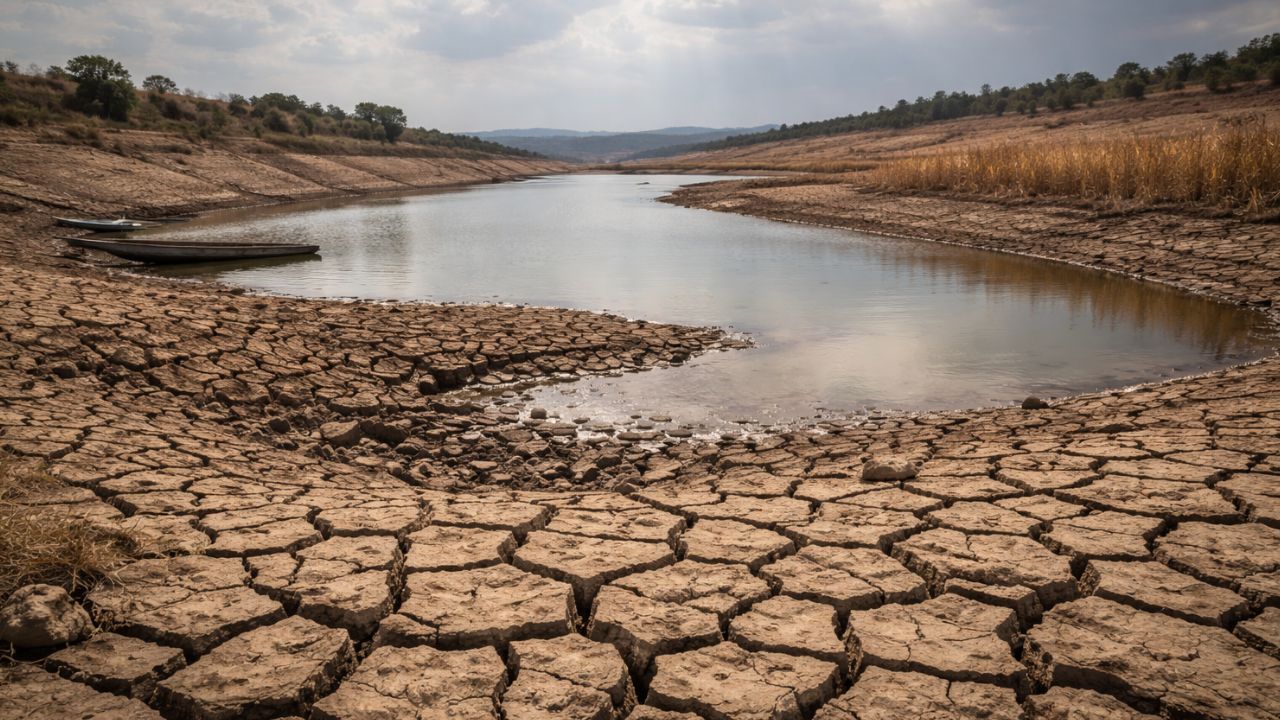
UN Warns That Water Bankruptcy Already Affects Billions, With Freshwater Scarcity, More Intense Droughts, and Serious Risks to Global Agriculture.
The world has entered a state of water bankruptcy, according to researchers linked to the UN, in a scenario marked by excessive freshwater use, advancing drought, climate change, and the growing pressures from agriculture and cities.
The warning comes from recent studies released in January 2026 and indicates that, in many regions, water systems can no longer recover naturally.
The crisis affects billions of people, occurs across different continents, intensifies year after year, and raises concerns about food security, social stability, and economic development.
-
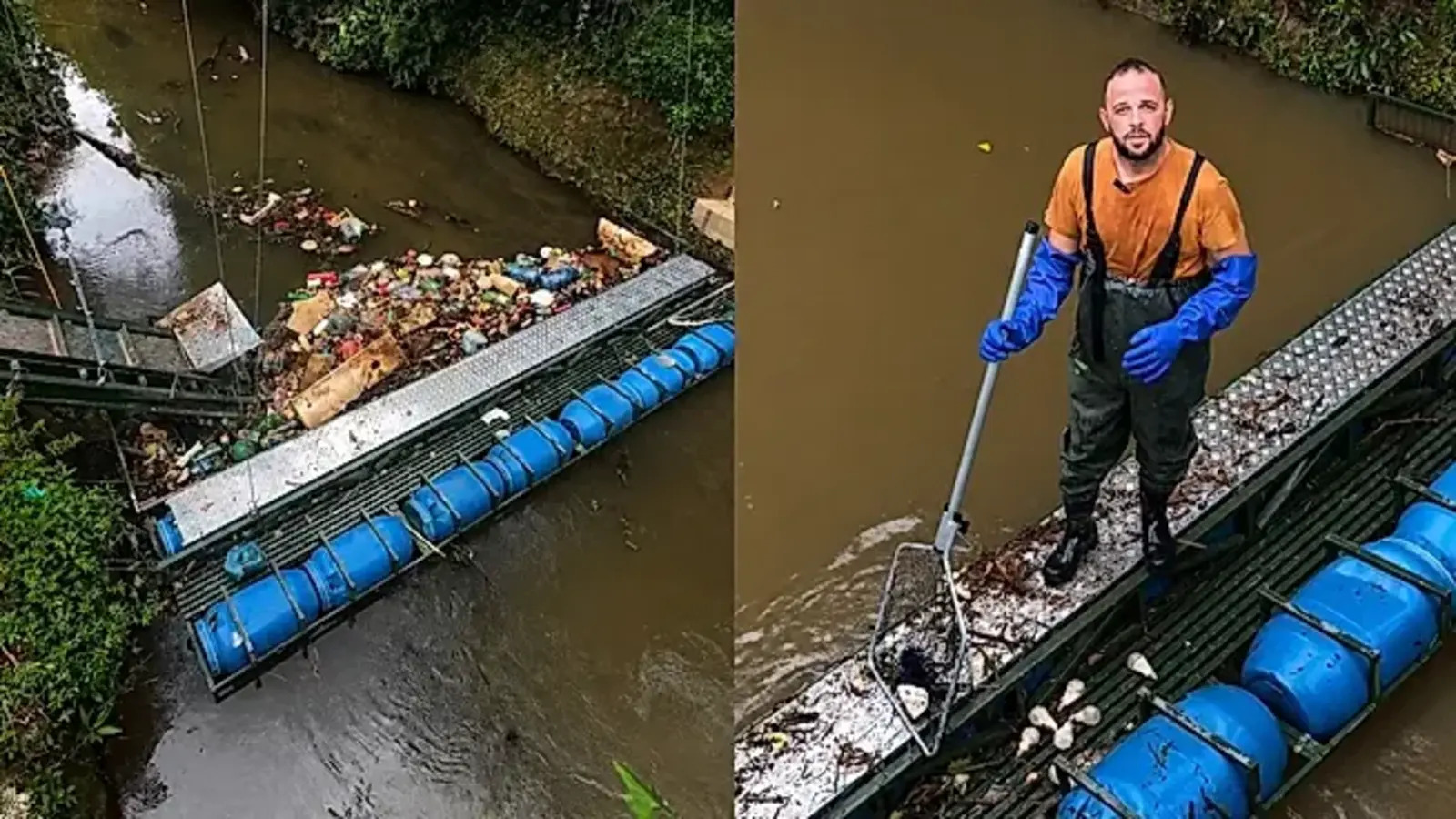
Brazilian promises his children to save a river, creates an eco-barrier in his backyard, has already removed more than 40 tons of trash from the water, and even inspires the idea in other states of the country.

-
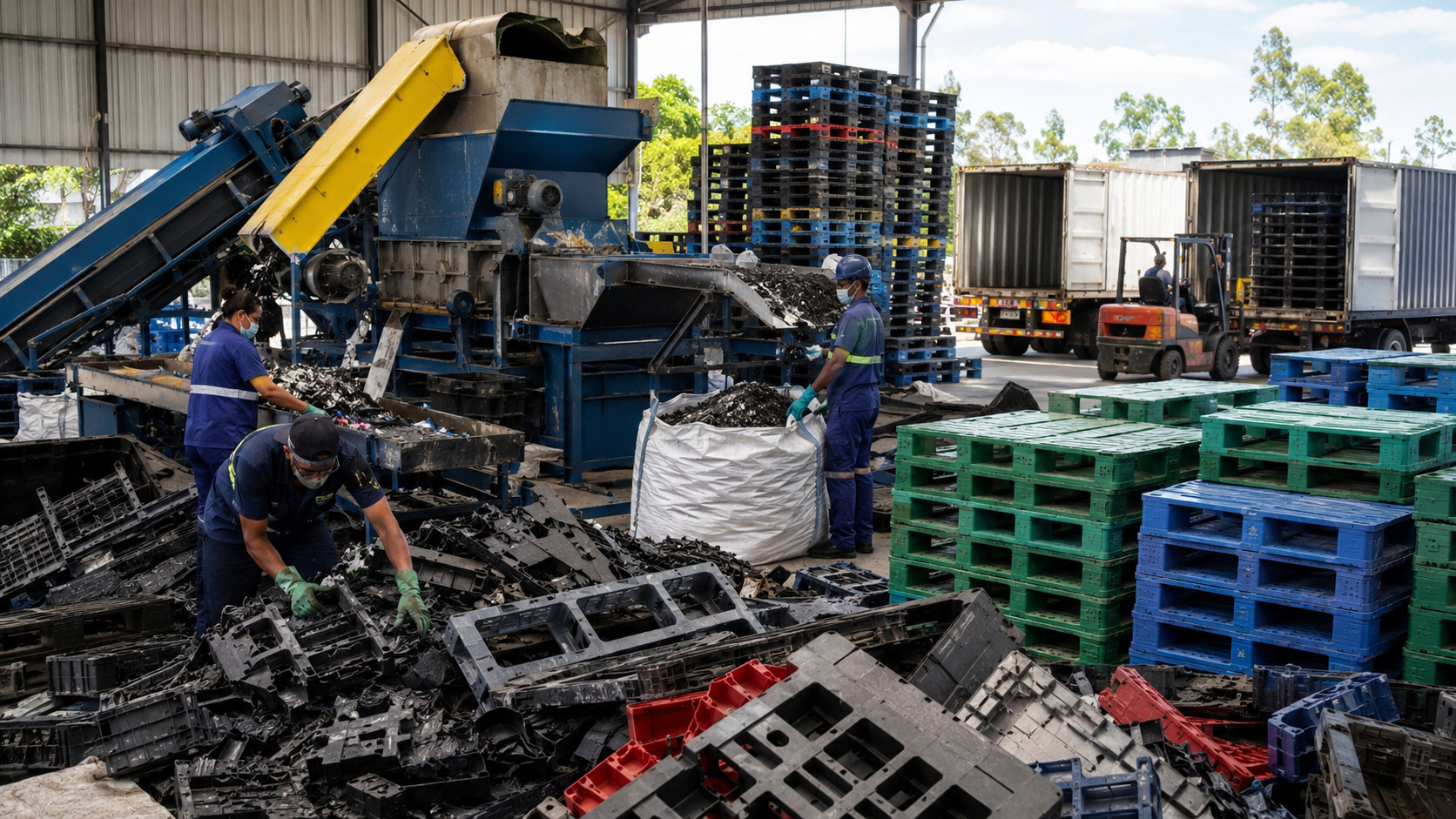
How a Brazilian company created a system that transforms broken pallets of any brand into new assets, recycles 80 tons of plastic per month, and found a profitable solution to a problem that challenges industries across the country.

-
Invasive bullfrog capable of devouring other amphibians and laying up to 20,000 eggs is found in Florianópolis, raising an alert about the threat to native fauna.
-
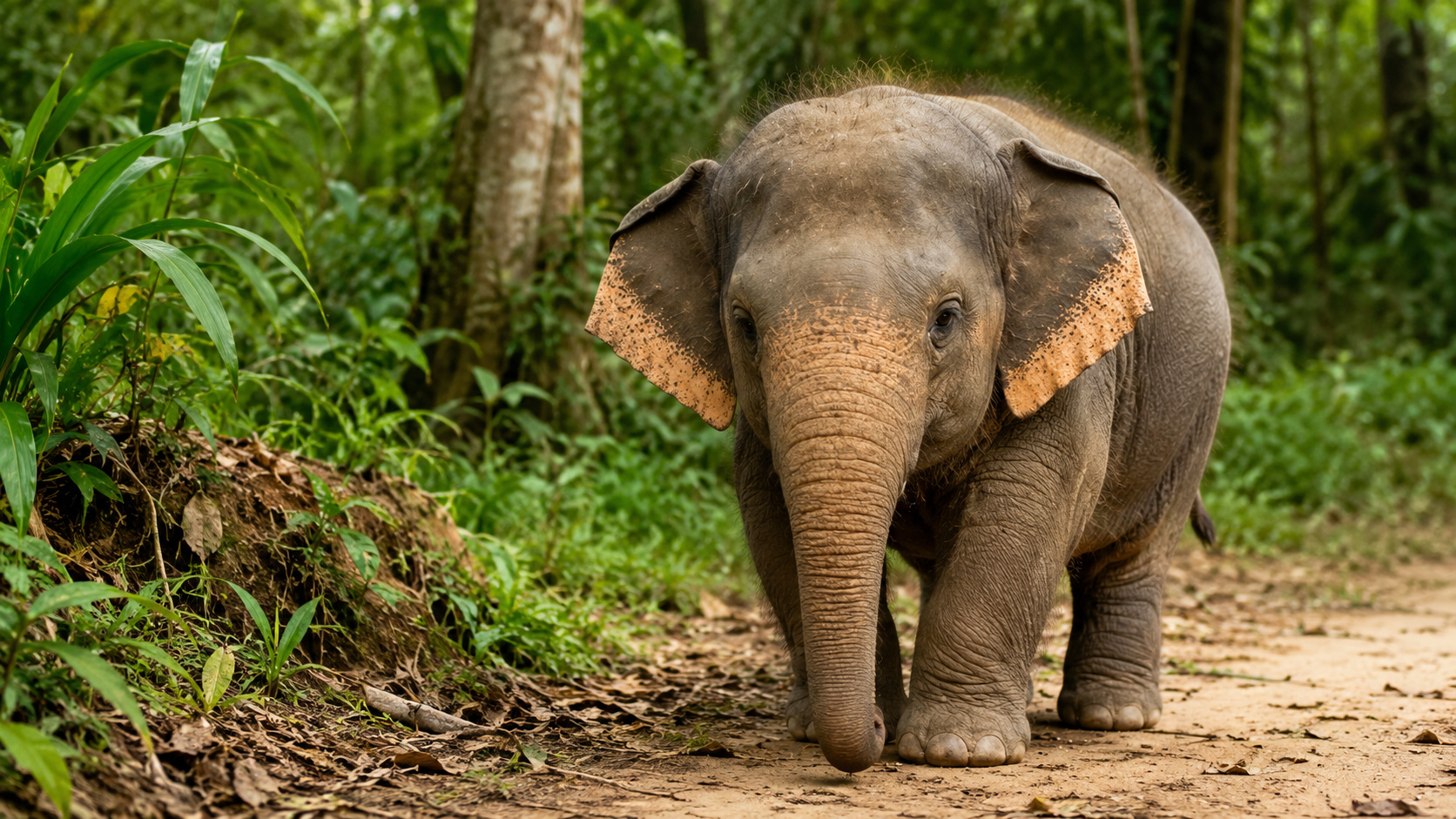
It looks like a baby, but it’s an adult: meet the Bornean pygmy elephant, the smallest elephant in the world threatened by habitat loss.

At the onset of the diagnosis, researchers explain that water bankruptcy occurs when a region begins to consume more water than nature can reliably replenish.
Just as in finance, the problem begins gradually but tends to worsen rapidly when natural limits are exceeded.
See More: Heavy Rains Cause Floods, Urban Flooding, and Damages in Minas
Water Bankruptcy: A Global Problem Already Visible
Currently, around 4 billion people — nearly half of the global population — face severe water scarcity for at least one month each year.
In many places, the lack of freshwater has ceased to be episodic and has become structural. Reservoirs are drying up, rivers are losing flow, aquifers are being depleted, and cities are beginning to sink.
Signs of this water bankruptcy appear in different parts of the world. In Tehran, Iran, prolonged droughts and unsustainable use have drastically reduced the reservoirs that supply the capital, escalating social and political tensions.
In the United States, the Colorado River, a vital source of drinking water and irrigation for seven states, can no longer meet the growing demand.
According to a study conducted by the United Nations University Institute for Water, Environment and Health, the planet has moved beyond the phase of temporary water crises.
Many systems can no longer return to historic natural conditions, entering a permanent state of water bankruptcy.
See More: Greenland Faces Climate Crisis in the Arctic and Economic Slowdown
How Water Bankruptcy Manifests in Daily Life
Initially, the response may seem straightforward. During drought periods, more groundwater is extracted, deeper wells are drilled, and volumes of water are transferred from one basin to another. Wetlands are drained, and rivers are straightened to make room for urban and agricultural expansion.
Over time, however, hidden costs arise. Lakes shrink year after year, rivers that were once perennial become seasonal, and saltwater starts to invade aquifers.
One of the most severe effects is subsidence, when the ground sinks due to excessive groundwater pumping.
In Mexico City, for example, the ground sinks about 25 centimeters per year. Once compacted, the pores in the underground no longer recover, making the loss practically irreversible.
Agriculture Concentrates Consumption and Increases Risks
Agriculture accounts for approximately 70% of global freshwater use, placing it at the center of the crisis. When water bankruptcy occurs, producing food becomes more expensive, risky, and unstable.
Today, around 3 billion people and more than half of the world’s food production are concentrated in regions where water storage capacity is already declining.
Additionally, over 1.7 million square kilometers of irrigated agricultural areas face high or very high water stress.
This scenario directly threatens global food security. Crop failures, rising food prices, unemployment in agriculture, and migration pressures become part of the reality.
More Frequent Droughts and Chain Impacts
Droughts are becoming longer, more intense, and more frequent as global temperatures rise. Between 2022 and 2023, over 1.8 billion people faced severe drought episodes in various regions of the planet.
These extreme events generate chain effects. There is reduced hydropower generation, increased health risks, growing economic insecurity, and a higher potential for social and geopolitical conflicts.
Why the World Has Reached Water Bankruptcy
Experts explain that each region receives an annual “water income,” derived from rainfall and snow.
When demand grows beyond this limit, long-term reserves, such as aquifers and wetlands, are used up.
The problem is that these reserves are disappearing. In five decades, the planet has lost more than 4.1 million square kilometers of natural wetlands, crucial for storing, filtering water, and buffering floods.
Moreover, water quality has been declining due to pollution, soil salinization, and saltwater intrusion.
Climate change exacerbates the situation by reducing precipitation in various regions, increasing the water demand of crops, and accelerating glacier melt, which are important freshwater reserves.
What Can Be Done to Avoid Collapse
According to researchers, addressing water bankruptcy requires profound changes. The first step is to recognize that limits have already been exceeded and to impose real restrictions on water use.
It is also essential to protect natural capital by restoring rivers, wetlands, and soil health. Additionally, demand management needs to be fair, ensuring that impacts do not fall solely on the most vulnerable populations.
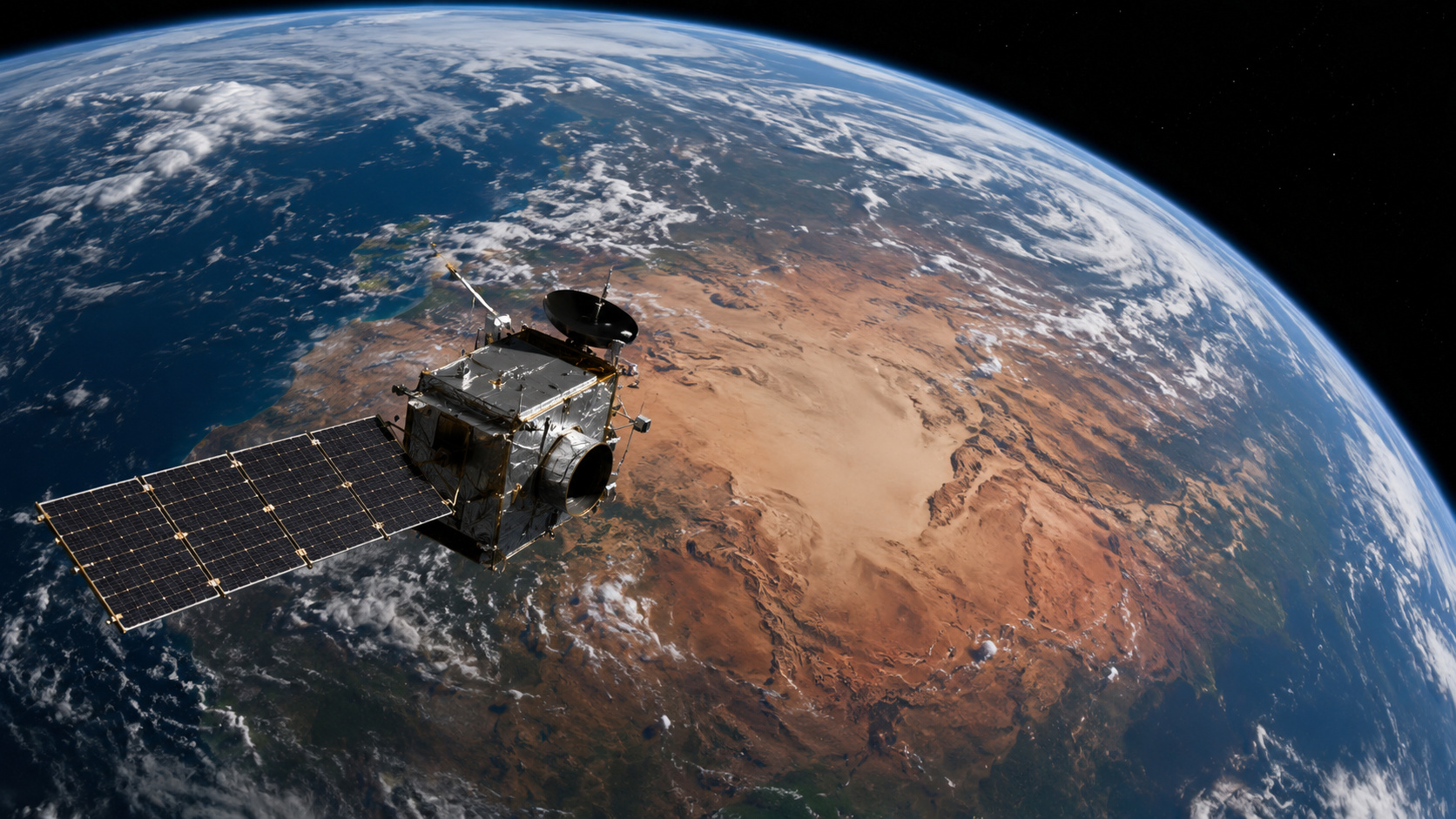
Finally, accurately measuring what matters, with the support of satellite remote sensing, and planning cities, food systems, and economies to use less water are considered unavoidable actions.
Just as in finance, water bankruptcy can be a turning point. Humanity can either insist on spending as if nature offers unlimited credit or finally learn to live within its hydrological limits.







-

-

-

4 people reacted to this.