






 Portuguese
  Spanish
  2 min of reading
  0 comments


Xiaomi has introduced Auto World, a technology that combines 3D reconstruction, scenario generation by artificial intelligence, and more than 100,000 synthetic clips to train assisted driving systems, in a strategy that reinforces the competition with Tesla in the electric car sector
With Xiaomi Auto World, the Chinese manufacturer attempts to reinforce its strategy in electric cars by integrating 3D reconstruction, scenario generation by artificial intelligence, and realistic simulations to train assisted driving systems with more data, speed, and technical control.
More than 100,000 clips have already been generated by Xiaomi to train perception models used in assisted driving, in a bet that combines 3D reconstruction, artificial intelligence, and simulations.
Xiaomi bets on simulation for autonomous driving
Xiaomi Auto World was presented as a technology aimed at training assisted driving. The proposal is to make vehicles better understand the surrounding environment before facing difficult situations in real traffic.
-
Volkswagen focuses on ethanol and tests a Saveiro 100% alcohol-powered with a recalibrated engine; the project may ensure tax reduction, targets corporate fleets, and revives technology that lost ground since the arrival of flex-fuel vehicles in 2003.

-
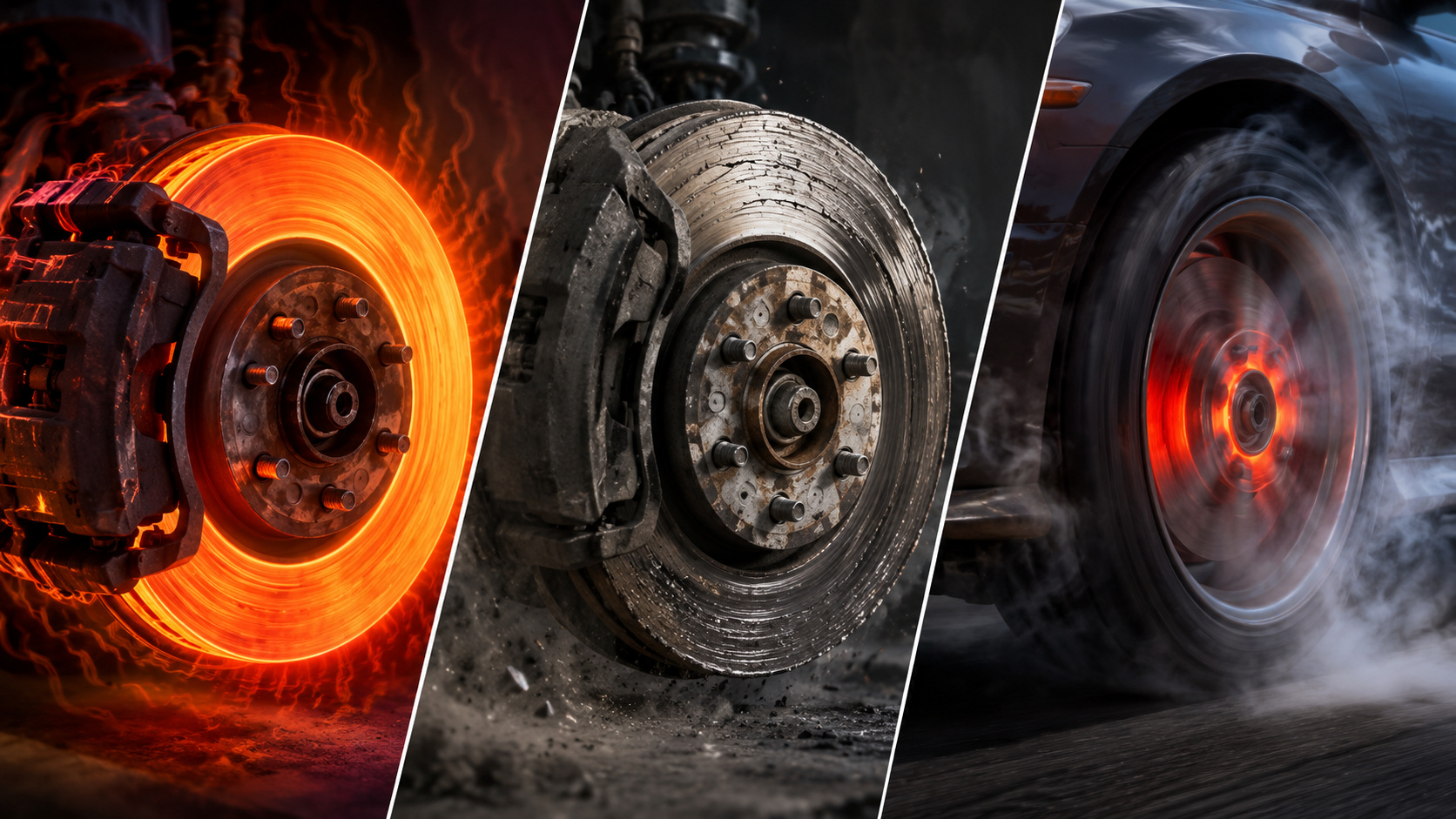
Keeping your foot lightly on the brake pedal while driving may seem harmless, but mechanics warn: this habit generates constant heat, wears out the pads too quickly, and can warp the discs, making braking expensive and dangerous.

-
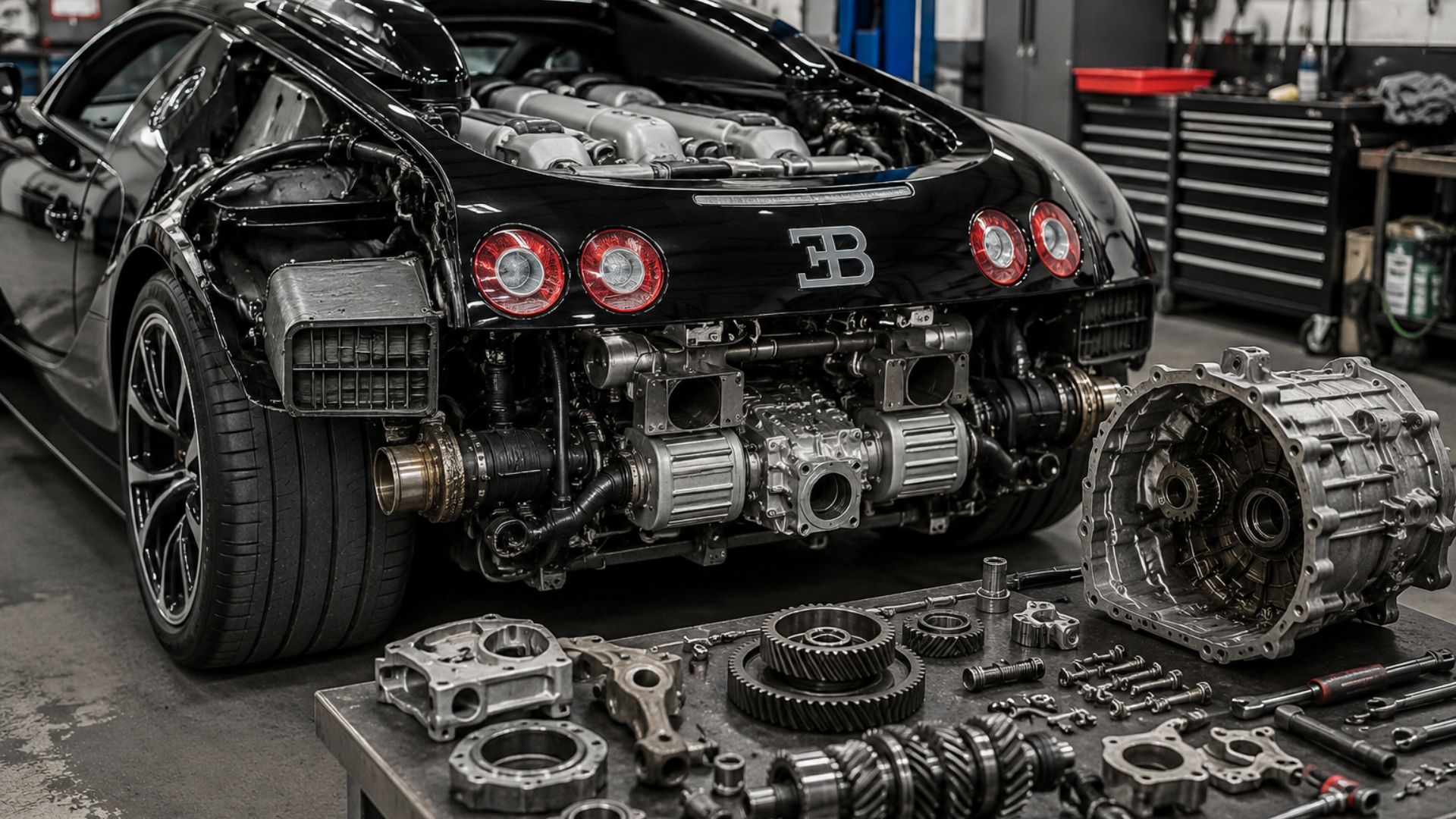
The YouTuber Mark McCann bought a Bugatti Veyron for almost $1.2 million, but discovered that the supercar’s gearbox is so damaged that even Bugatti itself won’t accept to repair it, and the repair could cost a fortune.
-
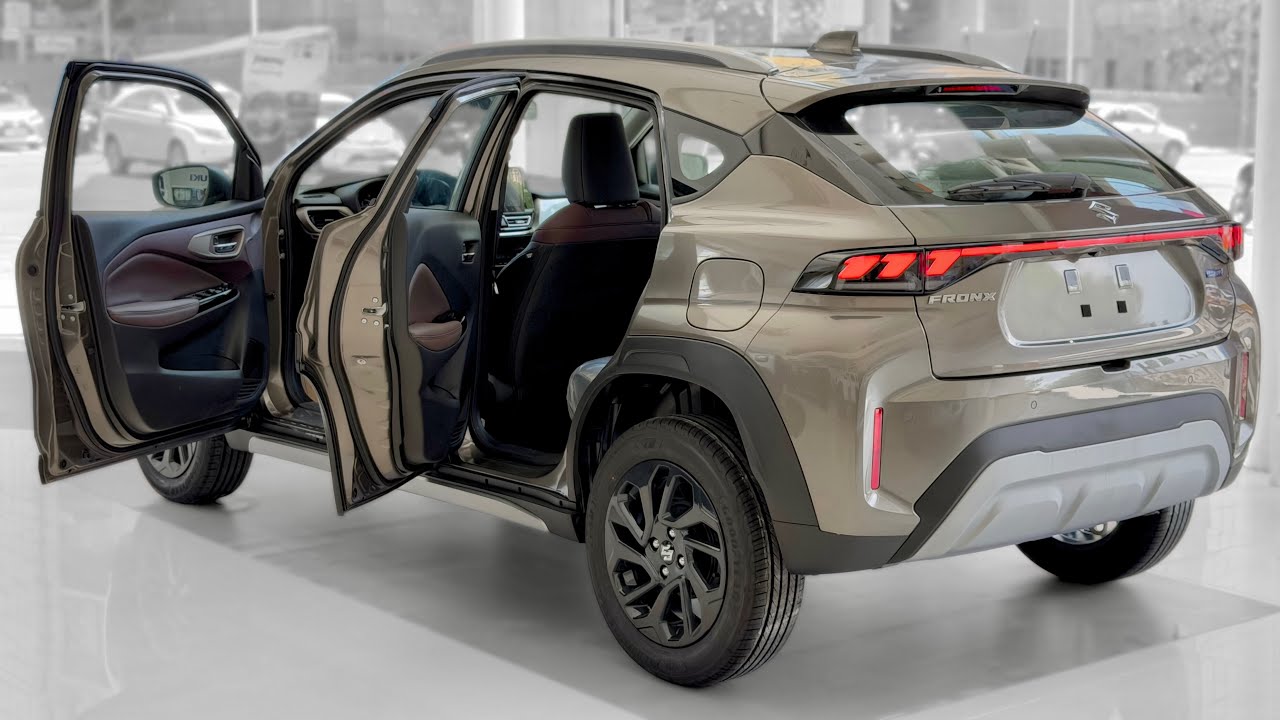
Thinking about buying a used HB20? See why the 2015 model is still a crowd favorite, with cheap parts, easy-to-fix mechanics, a strong engine, and quick sales.


Instead of relying solely on kilometers recorded on the streets, the company works with reconstructed scenes and scenarios generated by artificial intelligence. This strategy expands the repertoire of perception models and allows testing conditions that do not always appear in data collected directly.
How WorldRec and WorldGen work together
Xiaomi structured the system in two modules. WorldRec reconstructs scenes in 3D, while WorldGen generates areas, moments, or parts that were not directly observed by the system during the environment reading.
The difference lies in the integration. In traditional approaches, environment reconstruction and scenario generation are usually treated separately. In Xiaomi Auto World, these functions operate within the same structure to reduce deviations in long or complex scenes.
WorldRec uses sparse 3D anchors, instead of a large volume of dense pixels, and can reconstruct a 10-second scene in approximately another 10 seconds. Meanwhile, WorldGen creates a frame in 0.19 seconds and uses four stages of noise removal.
Technical result still needs to reach cars
The combination of modules aims to tackle two common problems: accumulation of errors and content deviation during prolonged generation. Xiaomi claims to have achieved high-level results in benchmarks like Waymo and nuScenes.
The next point will be to observe how the technical performance will translate into the real behavior of electric cars, especially in assisted driving systems.







Be the first to react!