






 Portuguese
  Spanish
  3 min of reading
  0 comments


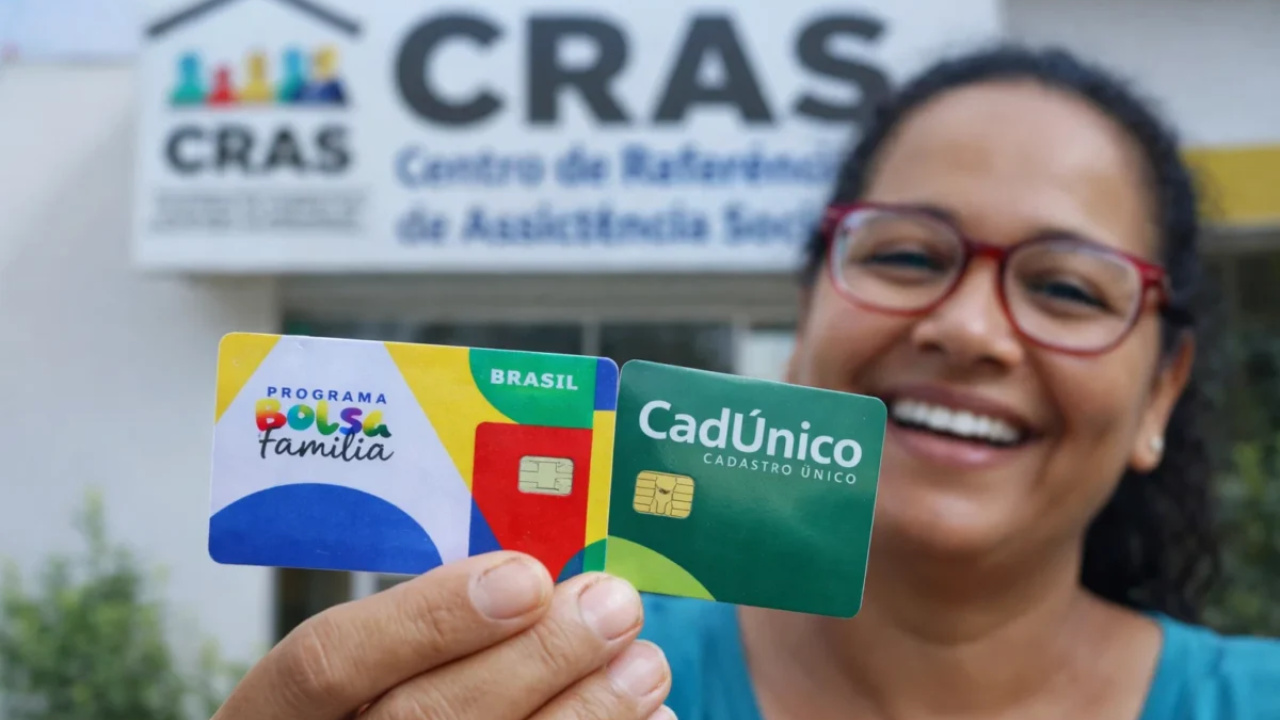
Project Under Review in the Chamber Plans for Up to 200 kWh Free Per Month With Solar Energy, Using Panels Paid for by the Government to Reduce the Electricity Bill for Millions of Brazilians.
As the electricity bill increasingly weighs on family budgets, a new proposal under debate in Congress is drawing attention. Bill 5002/25 promises to use solar energy to guarantee up to 200 kWh free per month for low-income individuals.
The idea, according to its authors, is simple: replace the cost of tariffs with self-generated energy, funded by the government.
Additionally, the text is still under analysis in the Chamber of Deputies. Even so, it is already provoking discussions about fiscal impact, social inclusion, and the future of energy transition in Brazil.
-
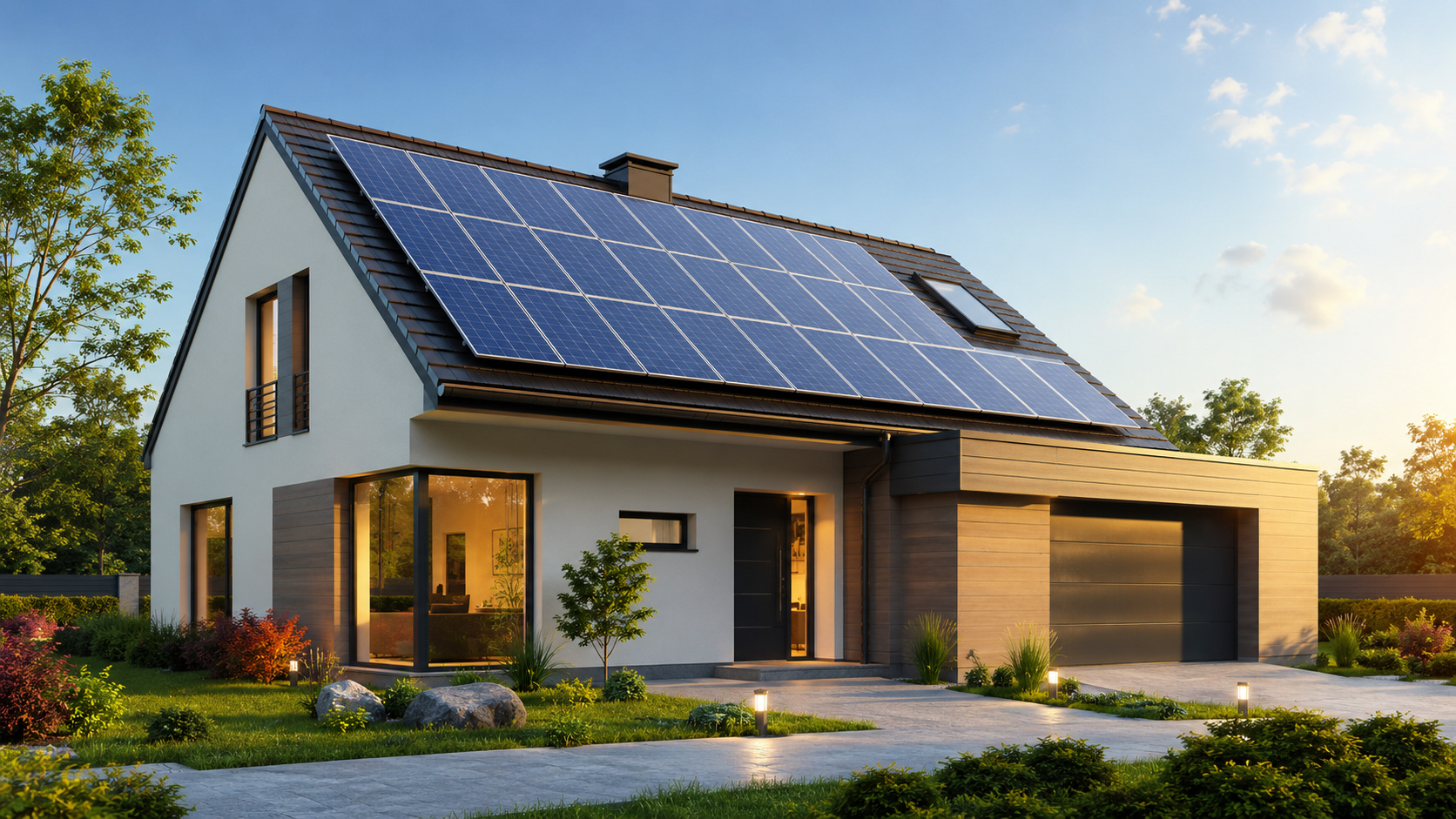
Solar energy can increase property value by up to 10% and become a selling point.

-
Solar and wind energy surpass natural gas for the first time in the world and accelerate energy revolution

-
Africa has about 500,000 cell towers and most still burn diesel to operate, while companies rush to cover antennas with solar energy and avoid signal blackouts.
-
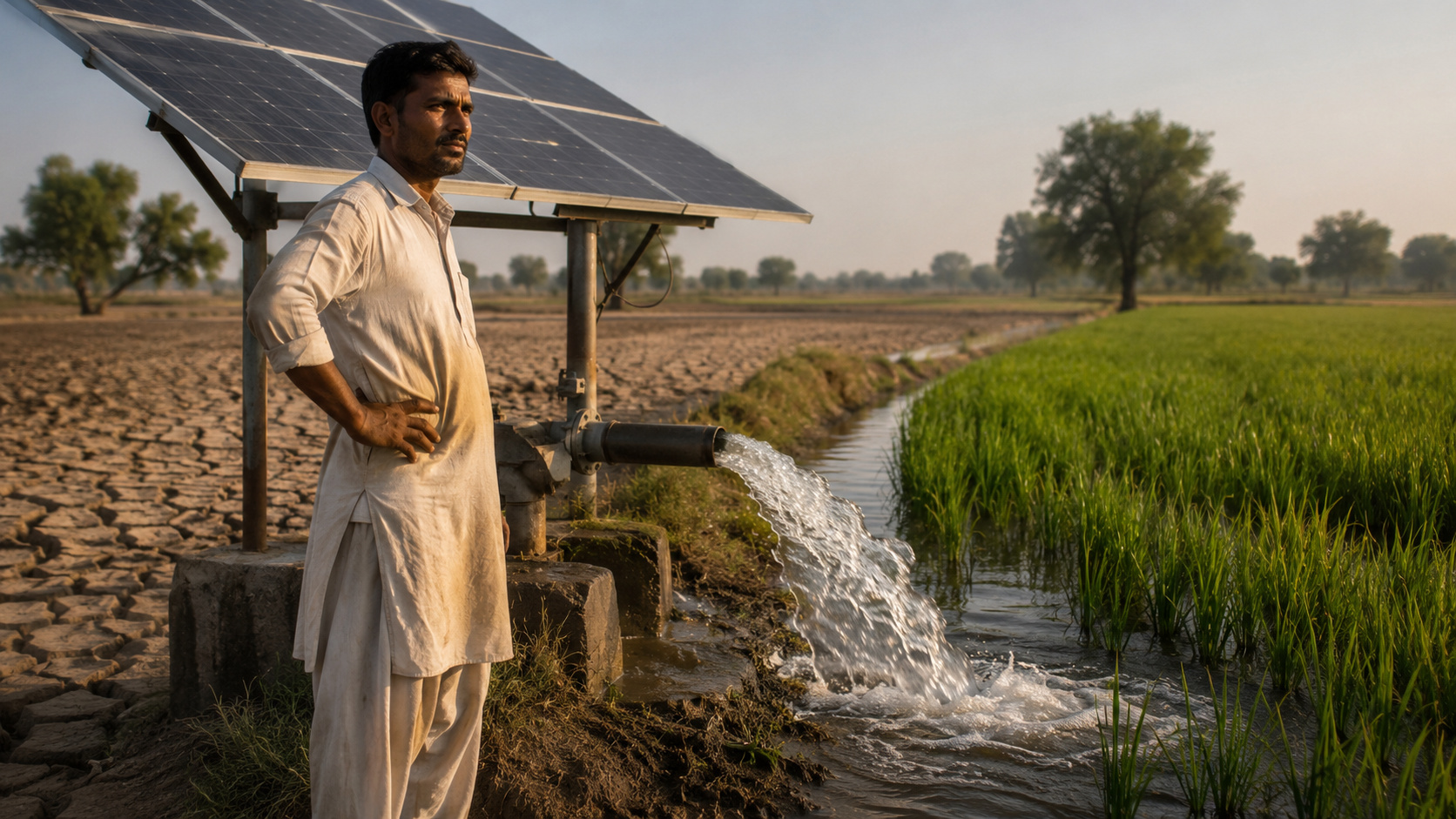
Farmers swapped diesel for solar panels in Pakistan, powered irrigation pumps almost cost-free, expanded rice fields, and now groundwater has become a red alert in the countryside.


How Solar Energy Would Enter the Brazilian Bill
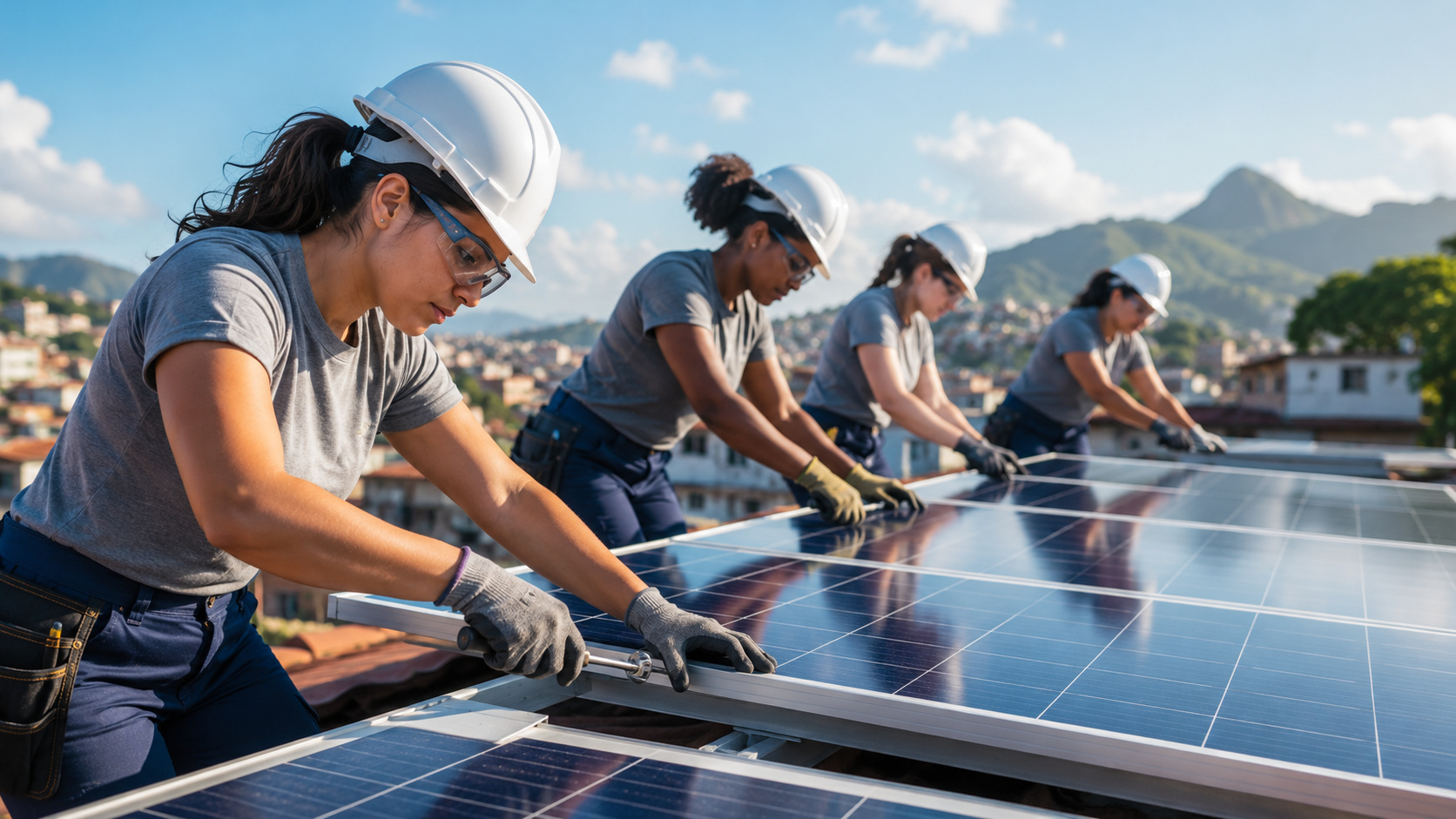
According to the project, the federal government would be responsible for installing small solar energy systems in strategic locations.
These systems, known as microgeneration, have a capacity of up to 75 kW. The electricity produced would generate credits that could be used to directly reduce the bills of registered families.

In practice, this means that the energy generated by the solar panels would not go to a specific house.
Instead, it would be fed into the electrical system and converted into discounts for eligible recipients.
This way, consumption of up to 200 kWh per month could be eliminated for millions of people.
Who Will Be Able to Receive the Benefit
According to the text, the federal government will define the selection rules. However, there is already a clear priority.
Families registered in the Unified Registry for Social Programs of the Federal Government, known as CadÚnico, will be at the front of the line.

In other words, those who already receive other social aid will be able to be included more quickly in the free solar energy program. The idea is to use existing data to prevent fraud and expedite the process.
What Changes in the Current Law
The project amends Law 14.300/22, which deals with micro and mini distributed generation.
Congressman Lucio Mosquini, the author of the proposal, states that the model was designed to avoid creating new costs for those who already pay the electricity bill.
“This way, the occurrence of cross-subsidies and tariff distortions is avoided,” Mosquini stated. His remarks aim to allay fears that other consumers will end up funding the program.
At the same time, the congressman argues that the plan combines social inclusion with the expansion of solar energy, one of the cleanest and cheapest sources in the country.
What Are the Next Steps in Congress
Before becoming law, the project still needs to go through three committees: Mines and Energy, Finance and Taxation, and Constitution, Justice and Citizenship. The analysis will be conclusive, which may speed up the process.
In the meantime, the proposal is already stirring debate about to what extent solar energy can become a large-scale social policy in Brazil.
Do you think using solar energy to reduce the electricity bill for the poorest populations is a fair solution or could it end up impacting the Brazilian economy in the long run?





-

-

-

-

13 people reacted to this.