Portuguese
  Spanish


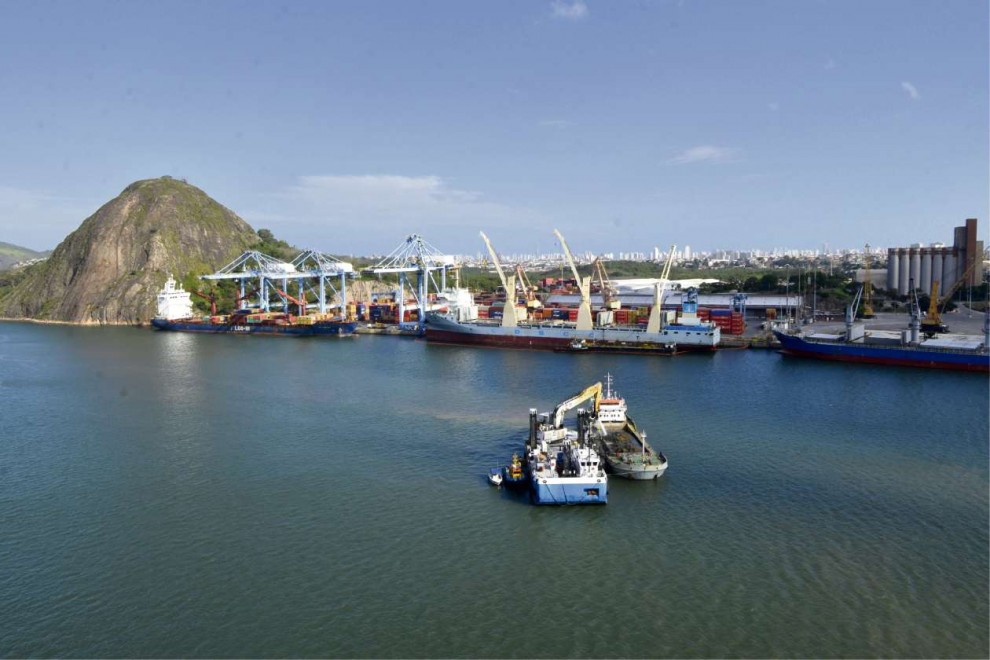

Findes – Federation of Industries of Espírito Santo Supports the Privatization of the Ports of Vitória and Barra do Riacho, Managed by Codesa
Findes – Federation of Industries of the State of Espírito Santo is supporting the privatization of the ports of Vitória and Barra do Riacho, which are currently managed by the Espírito Santo Dock Company (Codesa). The president of the federation, Cris Samorini, says she will cooperate in the search for the best model to meet the development of industry in the pursuit of efficient logistics in the most diverse commerce and markets.
Also Check:
- 45 Vacancies! Odebrecht Construction Opens Selection Process in RJ, SP, MG, BA, PA, and PR for Higher Education Students
- Solar Plant and Wind Farm in RN to Be Built by Chinese State-Owned China Energy
- Vale Begins Working on the Capanema Transport Project in Minas Gerais
- Wartsila Wins 13-Year Contract to Manage New Natural Gas Plant and Create Jobs in Brazil
Cris Samorini states, “The Industrial Interests Defense area of FINDES aims to promote the institutional interactions necessary for the full development of Espírito Santo’s industrial potential. The Interests Defense has been following the entire development process of defining a model for greater private participation in the management activities of the Organized Ports managed by CODESA.”
“Through the Infrastructure Council – COINFRA of the Federation, the Interests Defense will maintain constant dialogue with the Ministry of Infrastructure, the Regulatory Agency ANTAQ, and CODESA to collaborate in constructing the best model that ensures efficiency and operational capacity to the Ports of Espírito Santo,” adds the president of the federation.
-
They exchanged the idea of a large house for a 35 m² warehouse, spent US$ 12,000 on the structure, and created a tiny house in Colorado with space to live and work.

-
While modern cities rely on pumps and electricity, in Iran, ancient tunnels carried water through the desert using only slope and gravity.
-
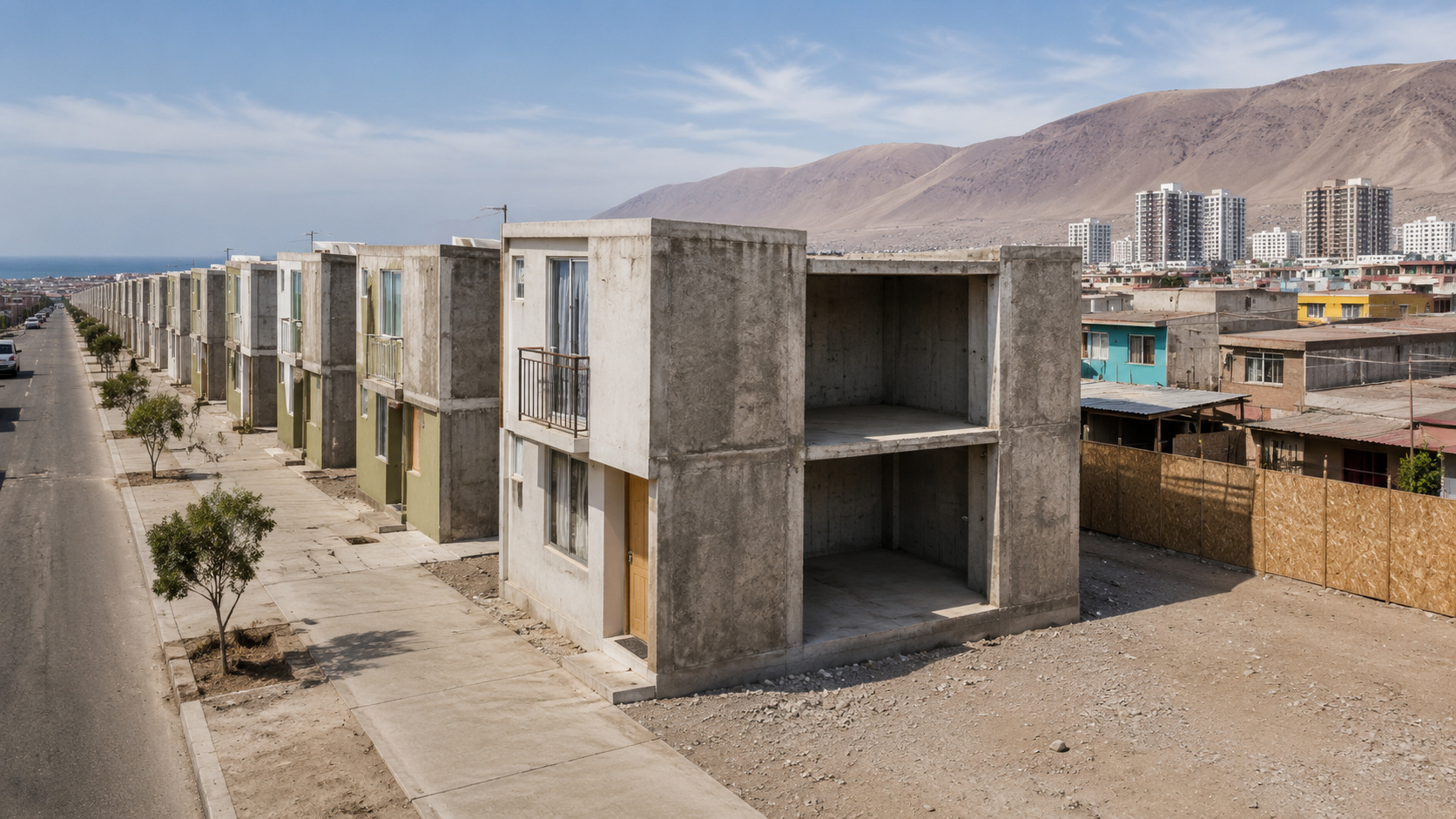
Instead of sending families far from the city, a project in Chile intentionally created incomplete houses on expensive urban land and left technical space for each to grow.
-
General Motors Replaces Over a Thousand Workers with 50 Cobots at Electric Vehicle Plant, UAW Union Criticizes Move Amid Industry’s Automation Push


According to Luis Montenegro, the current director of Industrial Interests at Findes, the ports are very important for internal connections and effective logistical operations in international trade.
“The organized ports were structured from a large volume of public resources and are an important part of the system. These ports have enormous potential that has historically been restricted by bureaucratic issues involving the difficulty of implementing and improving contracts with the dynamics that this sector requires,” says the director of Findes.
“Greater private participation is an essential step to bring dynamism and efficiency for the full utilization of the Organized Ports in their most diverse functions, such as providing infrastructure, delivering efficient services, coordinating with various customs authorities, managing to maximize the use of available areas, and fostering institutional relationships with all users of the port sector,” concludes Luis.