






 Portuguese
  Spanish


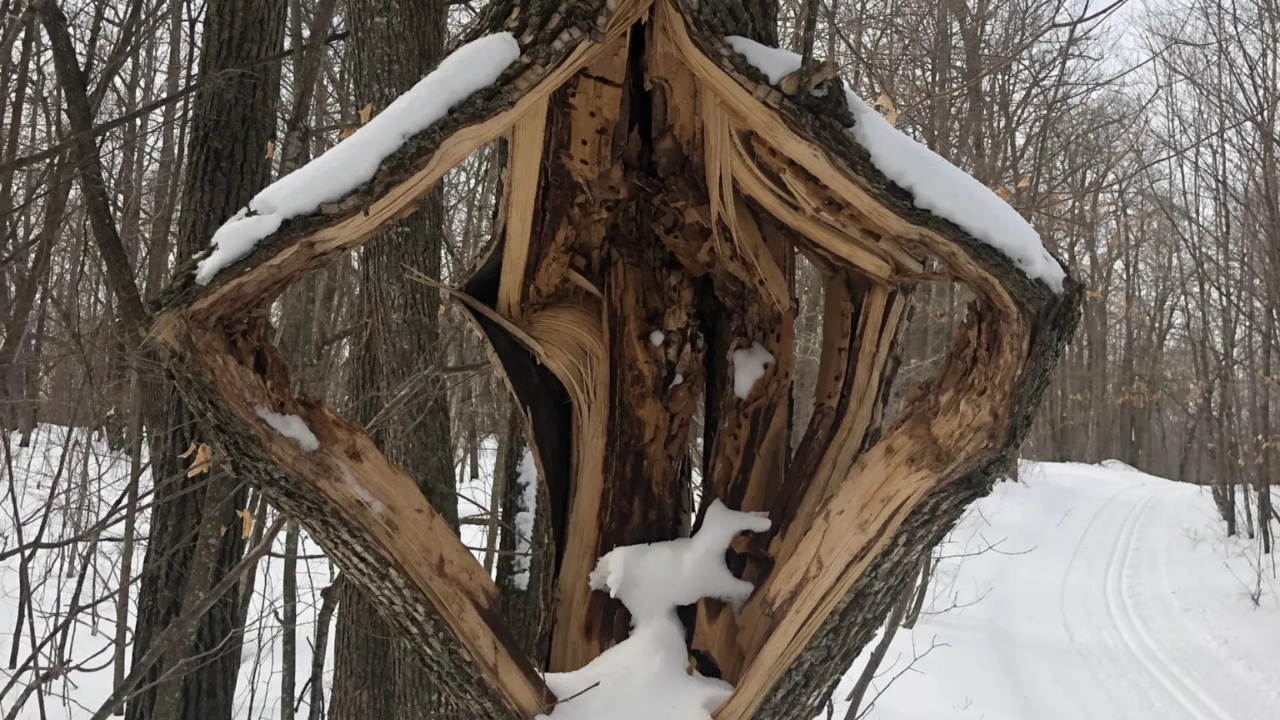


The Polar Cold In The United States Dropped Temperatures To As Low As -42°C, Causing Explosive Cracks In Trees, Branch Falls, Viral Videos And Direct Impacts On Safety And Energy
An intense polar cold wave swept through large areas of the United States, dropping temperatures to extreme levels. In several regions, the arctic air brought heavy snow, ice, and conditions that directly affected the population and infrastructure.
Amid this scenario, a natural phenomenon gained prominence and went viral on social media. Trees began to crack suddenly, producing loud sounds that many residents describe as explosions coming from nature itself.
These reports drew attention because they occur without warning, usually at night, when the silence makes the noise even more impactful.
-
Workers renovating a playground in northern England uncover 176 World War II bombs buried underground; training artifacts still contained explosives.

-
Brazilian Architect Transforms Waste into Sustainable Homes with Solar Power and Rainwater Systems for 40 Years

-
Security Guard Becomes Doctor at Louisiana Hospital Where He Once Worked, Studied Chemistry Between Shifts

-
Woman Rescued from Luxury Complex in Brazil Worked Without Pay for 55 Years, May Be Entitled to Over $300,000




Extreme Temperatures Reached -42°C At The Peak Of The Cold
During the peak of the winter event in January 2026, areas in the northern United States recorded temperatures close to -42°C. This level of extreme cold creates ideal conditions for severe stresses in the wood of trees.
When the temperature drops rapidly, the trunk cannot adapt. The outer layer cools and contracts faster than the interior, increasing structural stress.
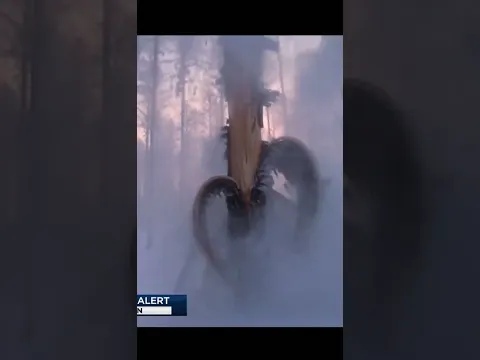

Why Do Trunks Crack And Seem To Explode
The sound that startles residents arises when the tension accumulated in the trunk is released abruptly. The wood breaks all at once, opening a deep fissure and producing a loud, dry crack.
In tree-lined neighborhoods, this noise can repeat multiple times during the night, as different trees undergo the same physical process caused by the intense cold.
Quick Cracks Are Called Frost Crack And Leave Scars
The cracks observed in trunks are known as frost crack, a phenomenon associated with the rapid freezing of water and sap inside the tree, combined with the contraction of the outer wood.
According to Reuters, an international news agency with global coverage, the extreme cold recorded in various regions of the United States intensified reports of trees cracking, especially in residential areas and urban parks.
The Most Affected Regions Concentrate Videos And Reports
The most frequent reports emerged in the North-Central part of the country and in areas close to the Great Plains. States like Minnesota, Wisconsin, and the Dakotas gathered many reports due to experiencing sharp and prolonged drops in temperature.
In these regions, the phenomenon is more noticeable because the intense cold lingers for hours, increasing the chance of multiple trunks releasing tension almost simultaneously.
The Greatest Risk Is In Branch Falls And Blackouts
Even when the tree does not break completely, the crack can weaken its structure. The additional weight of snow and ice on the branches exacerbates the problem and increases the risk of falls.
When branches or trunks hit power lines, the effects appear quickly. Blackouts, street blockages, and risks to pedestrians and vehicles become more frequent during such weather events.
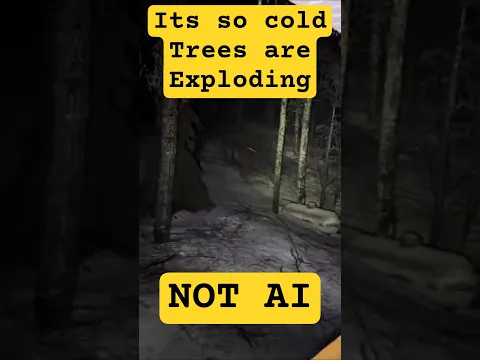
What Happens To Trees After Extreme Cold
In many cases, the fissures close over time, leaving only visible scars on the trunk. However, deep cracks can facilitate moisture intrusion and compromise the tree’s strength in the future.
With the recurrence of intense freezing cycles, already weakened trees tend to suffer greater damage. In urban areas, this requires continuous monitoring, as the risk of falls can persist even after the storm ends.
The polar cold shows how extreme weather events can generate surprising effects in nature. The phenomenon of trees appearing to explode draws attention due to the sound, but the real impact lies in the safety risks and damage to urban infrastructure.


