






 Portuguese
  Spanish
 3 min of reading
  0 comments


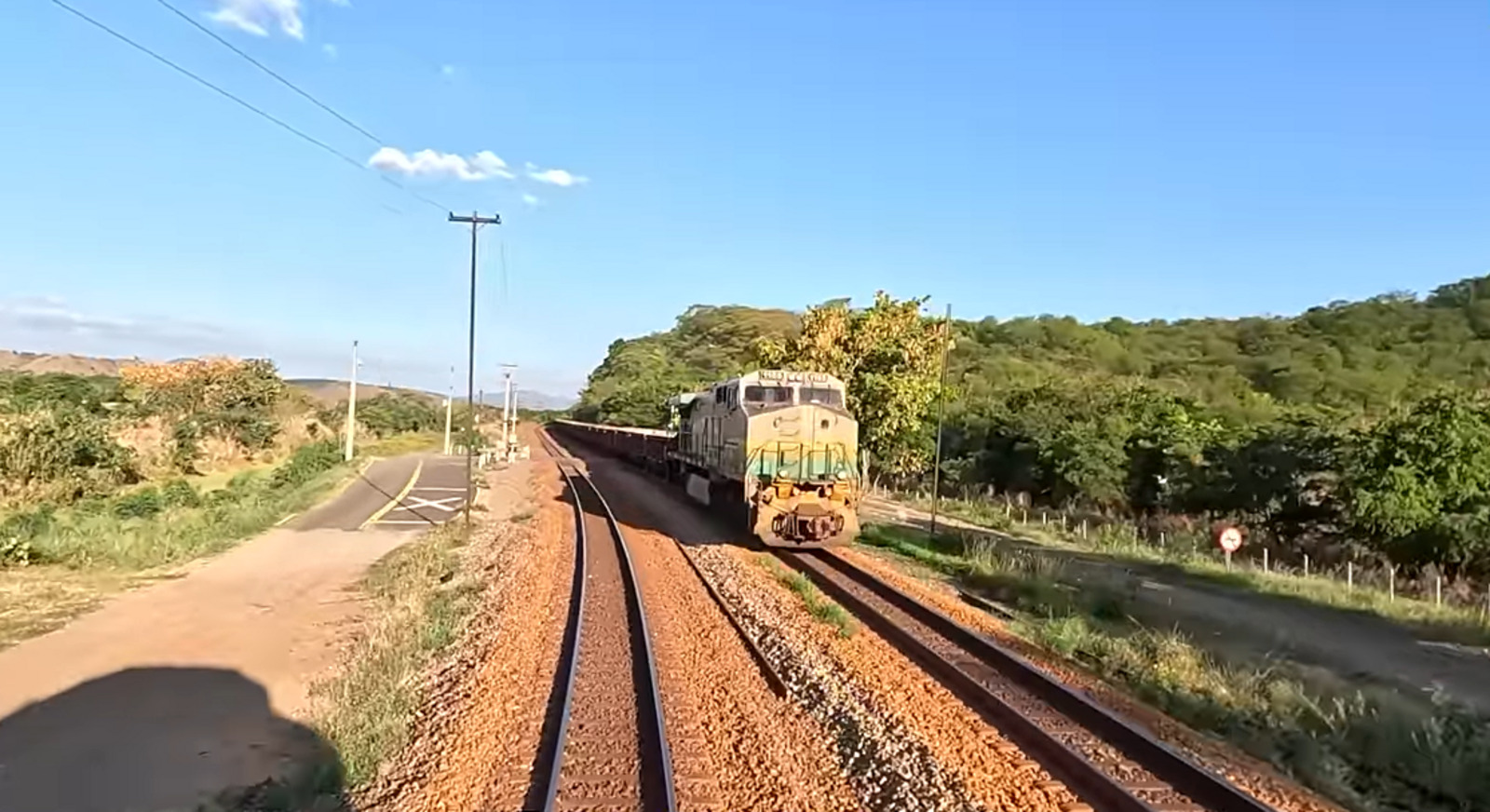
Landslide Interdiction Paralyzes Strategic Railway in Espírito Santo, Raises Costs, Forces Use of Highways, Affects Contracts, and Rekindles Debate on Investments, Preventive Maintenance, and Logistic Resilience in Brazil
One of the main railways in Espírito Santo has remained completely closed for 51 days following a landslide that occurred in November, interrupting the transport of strategic cargo and affecting companies in the Southeast that rely on the regular flow of ore, agricultural products, and industrial inputs.
The prolonged closure has mobilized state authorities, the productive sector, and infrastructure specialists due to the strategic importance of the railway operated by a private concessionaire, responsible for connecting productive areas, industrial centers, and key ports for both domestic and international trade.
Unprecedented Shutdown
According to state government technicians, the extent of the damage caused by the landslide surprised maintenance teams, as the material reached an area with complex access, making debris removal difficult and delaying the reconstruction of the affected section.
-
Without a mansion, without high investment, and without a traditional classroom, a teacher living in a 22 m² house taught students to build a 9 m² studio apartment with the equivalent of R$10,000.

-
Without her own home and pressured by rent, a 25-year-old bought a small 15-meter boat, gradually renovated the interior by herself, transformed the interior with paint, new flooring, a larger bathroom, and started living on the canals, paying much less per month.
-
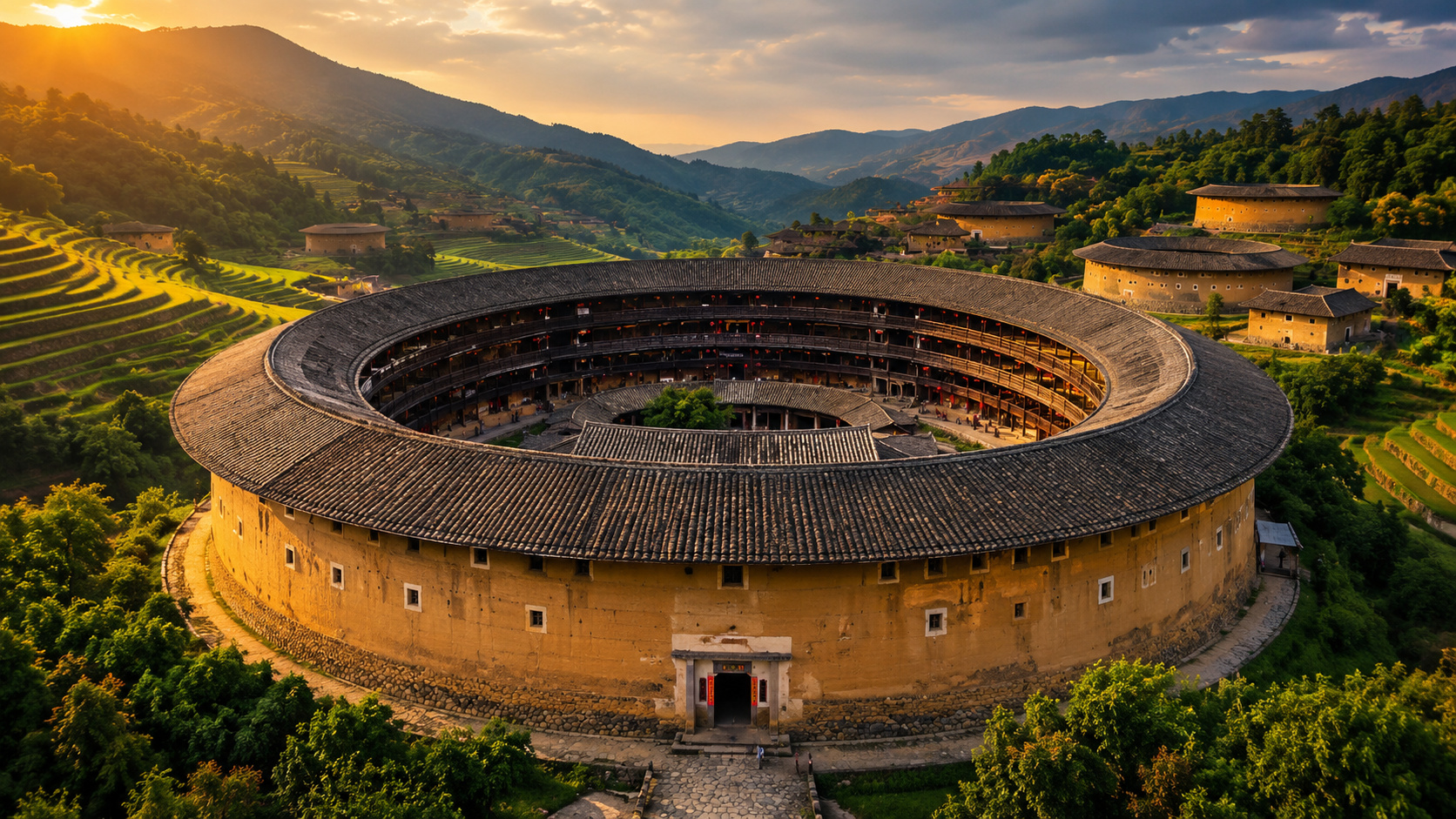
Long before sustainable construction became a trend, China built earthen fortresses with multiple floors, a central courtyard, and the capacity to house up to 800 people living in a community.
-
He got tired of renting, bought an old school bus, removed the seats, modified the roof, reinforced everything with steel, and created a two-story mobile home that looks small on the outside but houses two bedrooms inside.



The complete halt of rail traffic since November has created an atypical scenario in regional logistics, with direct impacts on productive chains that rely on railway regularity to maintain delivery schedules and commercial contracts.
Railway-using companies report an immediate increase in operational costs, a need for alternative routes, and difficulties in cargo distribution, as emergency road transport has become the only available option.
In addition to being more expensive, travel by highways has proven to be slower, generating logistical bottlenecks, risks of delays, and additional pressure on the already saturated road infrastructure in some areas of the Southeast.
Pressure for Solutions
The prolonged shutdown has intensified pressure on the concessionaire responsible for operating the railway, which states it is working at an accelerated pace to safely restore traffic, although it has not yet presented a definitive timeline.
Authorities in Espírito Santo advocate for greater agility in the works and believe that the episode reinforces the need for structural investments, both in modernizing the network and in preventive measures against natural disasters.
For the state government, the recurrence of extreme weather events demands more robust planning, quicker response protocols, and technical reinforcement in sections considered critical of the railway.
National Impact of the Interruption
Experts evaluate that the interruption highlights the fragility of the Brazilian logistics system, heavily dependent on a few transport corridors, where a single interdiction can generate a chain reaction across multiple states.
While the railway remains halted, truck drivers, businesses, and nearby communities await the resumption of operations, in an episode that is already among the longest closures of the regional railway network, exacerbating debates on logistic resilience.
With information from TNH1.


-

-

-

-

6 people reacted to this.