Portuguese
  Spanish


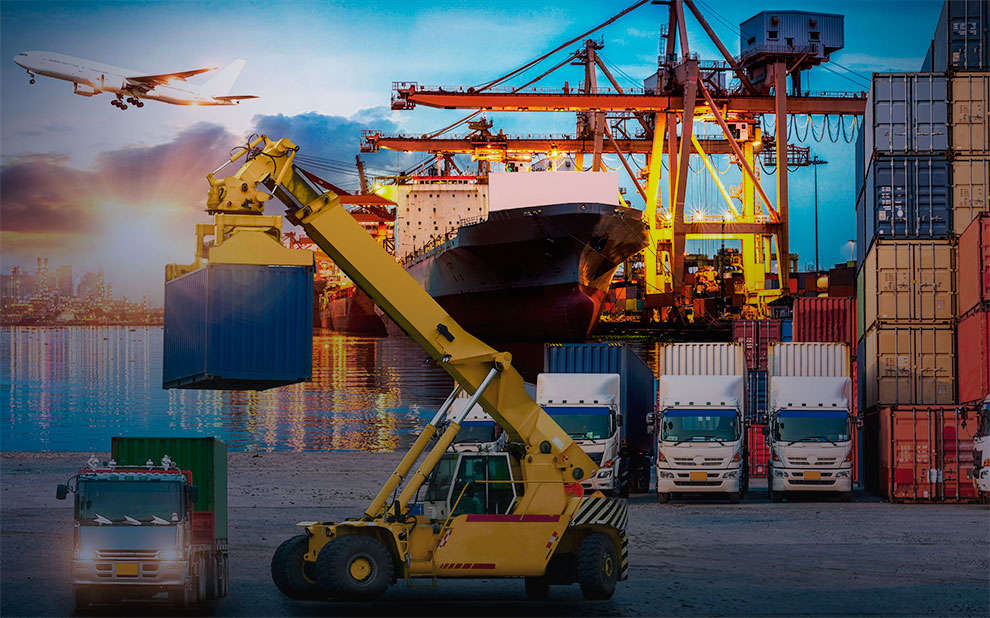

“The Brazilian Logistics Infrastructure Needs Investment”, Highlights Specialist from FGV
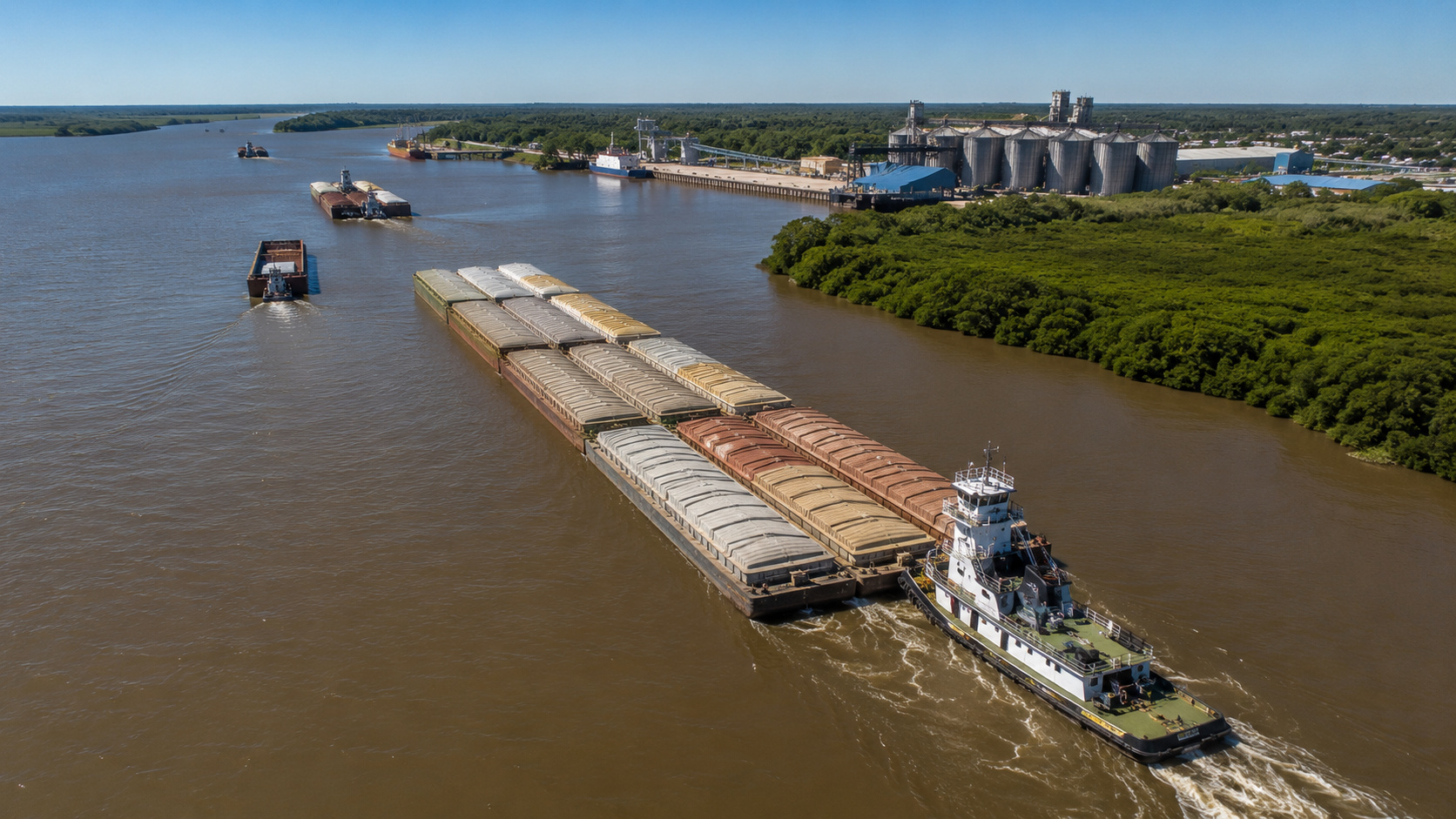
FGV discussed the main points regarding the national logistics infrastructure and future investments. We know that it is the foundation of a nation’s development and economic growth, as it promotes national integration through its road, rail, waterway, pipeline, and air transport systems, which, in turn, allow for the movement of natural resources, manufactured products, consumer goods, and people between all regions of the country and abroad.
See Also
- Enel Green Power Invests R$ 2.4 Million in New Renewable Energy Plants in Piauí
- Even During Petrobras Privatization Process, Some Norwegian Companies Decide to Invest in the Brazilian Oil and Gas Market
- More than 2,000 Slots in Free Courses at Senac in Maranhão Regions
The Resumption of Investments in Brazilian Logistics May Come Back Stronger in 20201
Despite the current economic and health crisis caused by the Covid-19 pandemic, with a strong negative impact on the GDP in 2020, there is good expectation and great conviction from the Federal Government that, in 2021, the actions of the Ministry of Infrastructure (MINFRA) will contribute to catalyze and accelerate the recovery of the economy, employment, and income generation.
To this end, MINFRA is maintaining its activities during the pandemic and ensures that the 54 public works and concession projects are being executed and will be delivered as planned at the beginning of the year.
-
Latin America’s Largest Port Invests $400 Million in Rail System with Trains Up to 2.4 Kilometers Long
-
New Smart Radar Begins Issuing Fines to Solo Drivers in Carpool Lanes, Uses Cameras to Count Occupants, Changing Traffic Enforcement Rules on Busy European Roads

-
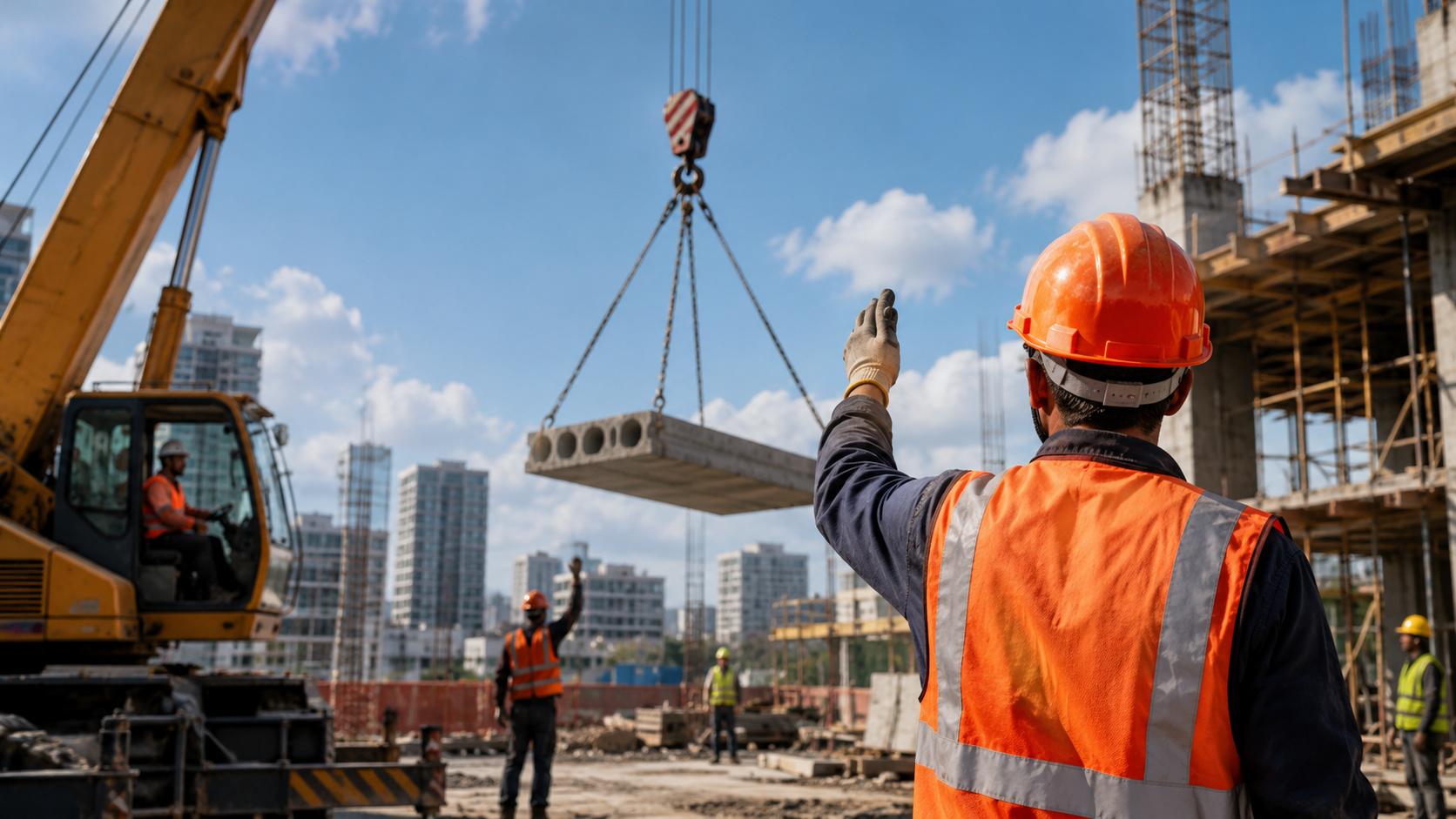
Why can the crane operator only obey the correct signalman on the construction site: among dozens of workers, a hand raised by the wrong person can confuse the maneuver and turn a load of tons into an immediate risk.
-
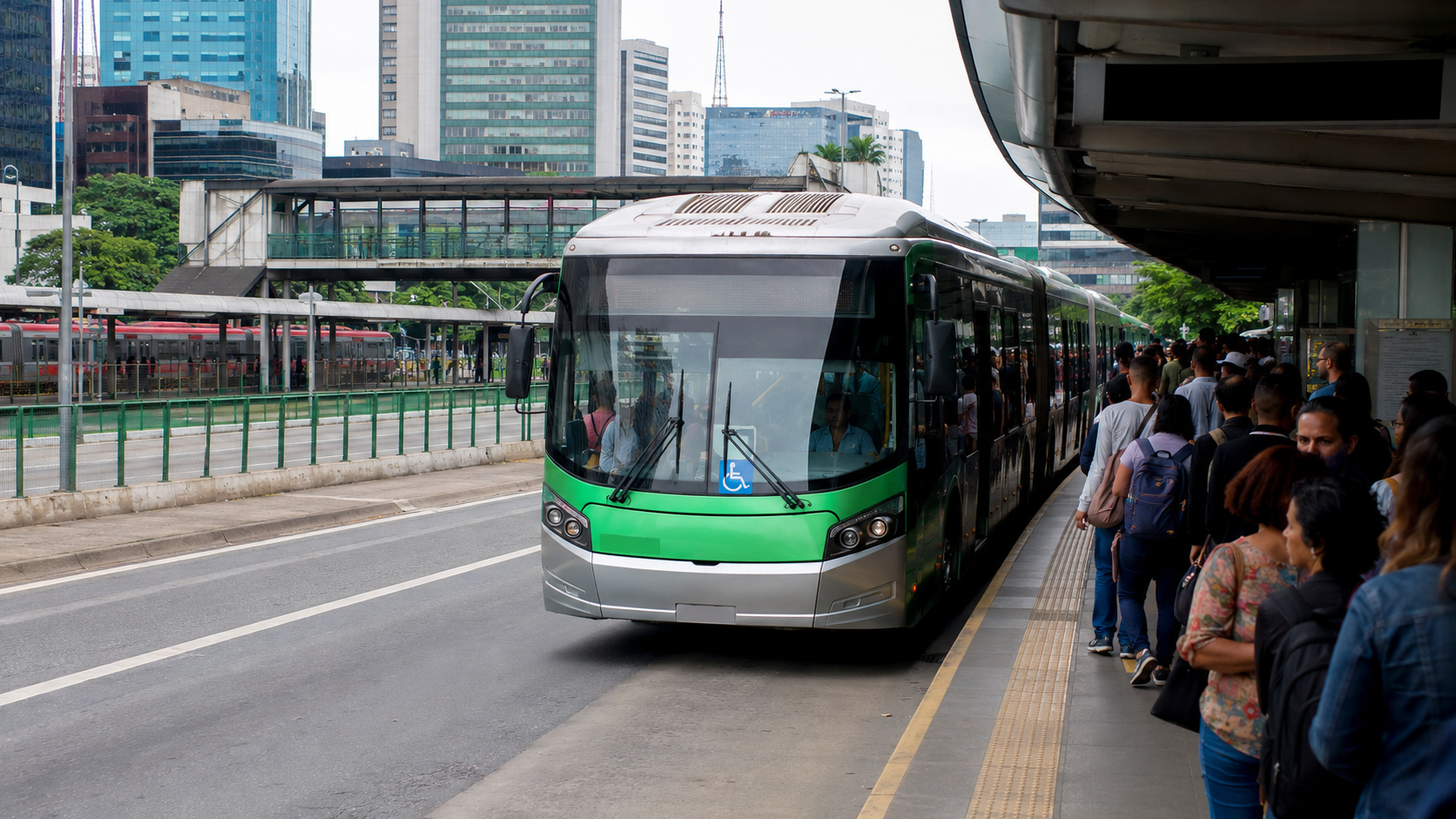
What changes with the new public transportation rules that can reduce pressure on fares and pave the way for zero fare in Brazil?

FGV States That Pró-Brasil Will Help in the Post-Pandemic
In addition, the Federal Government states that the Pró-Brasil program, which foresees investments in public works as a way to resume economic activity after the coronavirus pandemic, is expected to be ready between August and September and will play an important role in modernizing the regulation and legislation of the infrastructure sector, in addition to boosting private investments of up to R$ 250 billion in the Ministry of Infrastructure.
FGV’s webinar discussed the main points, check out the video below The FGV webinar discussed and explored this entire panorama, drawing from the extensive experience of the Minister of Infrastructure, Tarcísio Gomes de Freitas, who is a civil engineer from the Military Institute of Engineering, with a postgraduate degree in project management and a Master’s in Transportation Engineering.
In the Brazilian Army, he served as an engineer and head of the Technical Section of the Engineering Company of Brazil in the United Nations Stabilization Mission in Haiti.
He has also held positions as general coordinator of audit for the Transportation area at CGU, executive director and general director of DNIT, and secretary for coordination and projects at the Special Secretariat of the Investment Partnerships Program of the Presidency of the Republic.