






 Portuguese
  Spanish
  3 min of reading
  1 comment


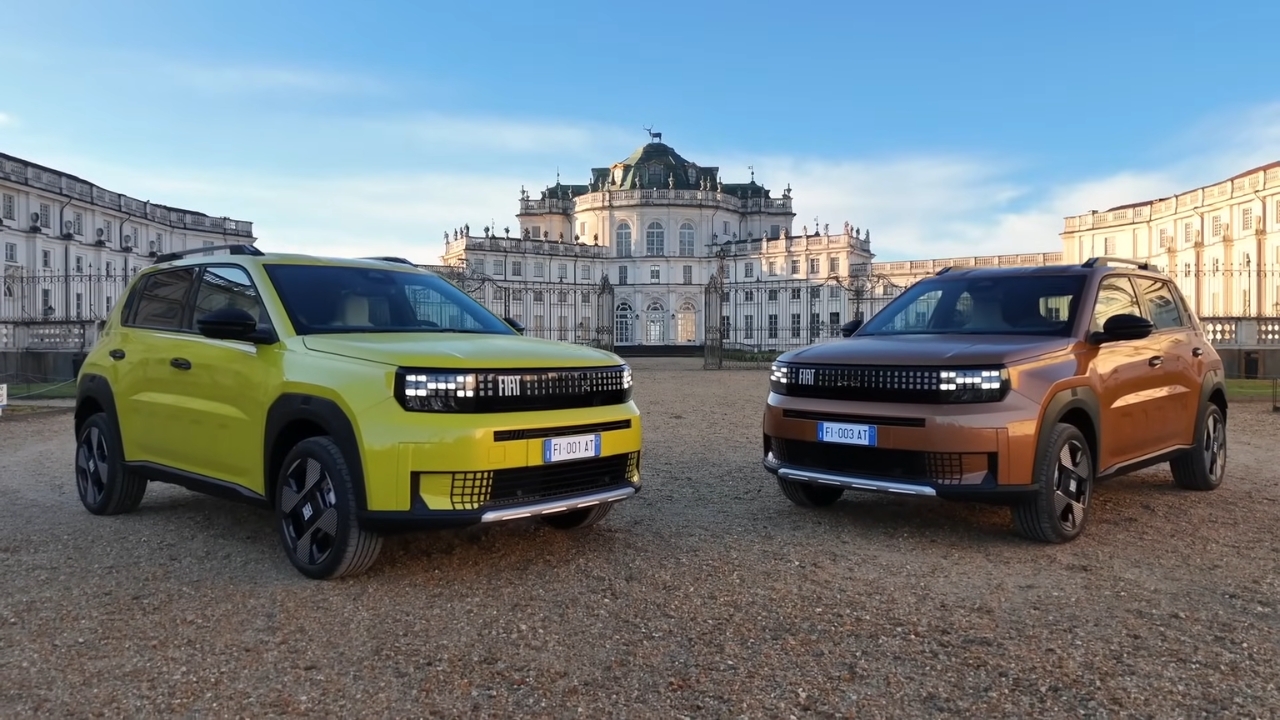


Fiat Evaluates In Brazil A Compact For 2026, Focusing On Price Below R$ 100 Thousand And Economy, Aiming To Replace Argo And Reduce The Role Of Mobi
Fiat is working to reposition its hatchback lineup in Brazil with the arrival of a new project already in testing. The proposal is to offer a compact model, updated and more aligned with current demands for connectivity and efficiency.
The move is expected to directly affect the portfolio’s foundation. The idea is to pave the way for a successor to the Argo while simultaneously reducing the presence of the Mobi, currently the cheapest car from the brand in the country.
Project F1H Emerges As A Candidate To Take The Place Of The Argo
The Argo, launched in 2017, still supports a good portion of Fiat’s sales but is already showing signs of wear against the competition. Even with a redesign planned for 2025, the expectation is a transition to a new car.
-
Used Civic and Corolla have been stuck in stock for months. “People are preferring Chinese cars,” says the car dealership owner.

-
Toyota Sienna becomes a “VIP lounge on wheels” in Brazil after receiving a Chinese luxury kit, seats with massage, Starlink, refrigerator, and a 245 hp hybrid engine, targeting high-income families, artists, and executive transport in an almost million-dollar van.

-
Two new 300cc models from QJ Motor are expected to arrive in Brazil as SBM to target the CB 300F and shake up the low-displacement market, with more power and liquid cooling than Honda.

-
Camaro may reappear in 2027, but not as you remember: Chevrolet prepares the return of the icon with four doors, manual transmission, and an extreme performance version to face the new era of sports cars.


Internally, development is linked to the code F1H. It is seen as the next step to keep Fiat strong in the compact segment, focusing on cost, urban use, and a modern package.
CMP Platform Indicates A Base Already Known In The Stellantis Group


The new compact is expected to use the CMP platform, which is present in models from Peugeot and Citroën. This typically facilitates adaptations and reduces timelines, in addition to allowing for different configurations of engines and equipment.
According to Motor1, a website specialized in automotive news, the project adopts this architecture and reinforces the strategy of leveraging already established solutions within the group.
Grande Panda In Europe Helps Anticipate The Visual And Proposal
In Europe, the same concept reappears under the name Grande Panda, with a straightforward interpretation of simplicity. The first images highlight steel wheels, basic finishes, and a practical design, without excessive elements.
This approach suggests a car designed for urban work and daily use. The idea of a model prepared for common accessories in fleets, such as a roof rack, appears as a rational appeal differential.
Price Targets Brazil And May Be Below R$ 100 Thousand
The reference for European prices points to a range between €18,900 and €27,900, which equates to about R$ 113,000 to R$ 167,000 at the quoted exchange rate. In Brazil, the expectation is for adjustments to reduce costs and increase competitiveness.
The indicated projection is to keep the car below R$ 110,000, and if possible, below R$ 100,000, even in more equipped versions. This would position the model as a strong alternative in the range that currently targets the Argo.
Consumption Of 18.5 Km Per Liter Appears Linked To The Mild Hybrid Set
The average consumption mentioned is 18.5 km/l in the configuration with a mild hybrid system. The setup is described with a 1.2 Turbo engine producing 101 horsepower and a dual-clutch automatic transmission eDCT.
This number comes from the European WLTP cycle, a testing standard that mixes city and highway driving. In practice, the result may vary depending on traffic, driving style, and air conditioning use.
Name Uno Circulates In The Background, But Is Not Confirmed
Although the code F1H is the project’s identifier, the name Uno appears as a recurring nickname in the background. The association occurs due to the historical weight of the model and the strength that the name still has with the public.
Nevertheless, there is no official confirmation that the launch in Brazil will use this name. The decision is likely to depend on market strategy and the final positioning of the product.
The impact on the consumer may be felt in two areas: another option for a modern compact and the reorganization of prices in the showcase. If the new car does indeed arrive priced below R$ 100,000, the competition in the segment will become tighter.
For Fiat’s lineup, the expected outcome is a natural succession of the Argo and a reduction in the space of the Mobi, with a more efficient, more current compact ready for intense urban use in 2026.


Dificil é conseguir bom consumo sem destruir a performance enquanto os governos nao pararem com tanta pressao por emissoes. Quem estudou termodinamica conhece o conceito de reservatorio termico e sabe que NAO É a emissao de gases de efeito estufa a principal contribuidora para o aquecimento global a ponto de justificar tanta lambança.