Portuguese
  Spanish




New Law Requires Driving Schools to Renew Fleets and Limits the Age of Vehicles Used in Classes.
The recently approved bill promises to change the landscape of driving schools across Brazil. The legislation, known as Bill 4474/20, brings a new framework for driving instruction, establishing age limits for the vehicles used in practical classes, with the aim of modernizing fleets and ensuring greater safety for students.
End of Old Vehicles in Driving Schools?
With the sanction of the bill, the maximum age of vehicles used by driving schools will now be limited. For Category A, which includes motorcycles and tricycles, vehicles cannot be older than eight years. For Category B, which covers passenger cars with up to eight seats, the limit will be 12 years. This change directly impacts how future drivers will be trained, improving the quality and safety of the teaching process.
Senator Teresa Leitão, the bill’s rapporteur, highlighted that this measure is essential to keep up with technological advancements and provide students with safer vehicles equipped with current technologies, such as ABS brakes and electronic stability control. For driving schools, this also means a reduction in maintenance costs, as newer vehicles tend to require fewer repairs.
-
End of an era in Brazil: beloved sedan by Brazilians is discontinued despite having a 2.0 engine with 151 hp, CVT transmission, 466-liter trunk, and up to 650 km of range.

-
New Law Proposal in Brazil Could Heavily Penalize Drivers: Dangerous Overtaking May Become a Serious Offense with Fines Increased Tenfold and a 12-Month License Suspension; Update on 2026 Progress

-
Electric Revolution: Watts W125 Motorcycle Offers 160 km Range, 90 km/h Speed, and Affordable Price Starting at $3,000
-
General Motors Replaces Over a Thousand Workers with 50 Cobots at Electric Vehicle Plant, UAW Union Criticizes Move Amid Industry’s Automation Push



Modernization of Fleets with the Bill
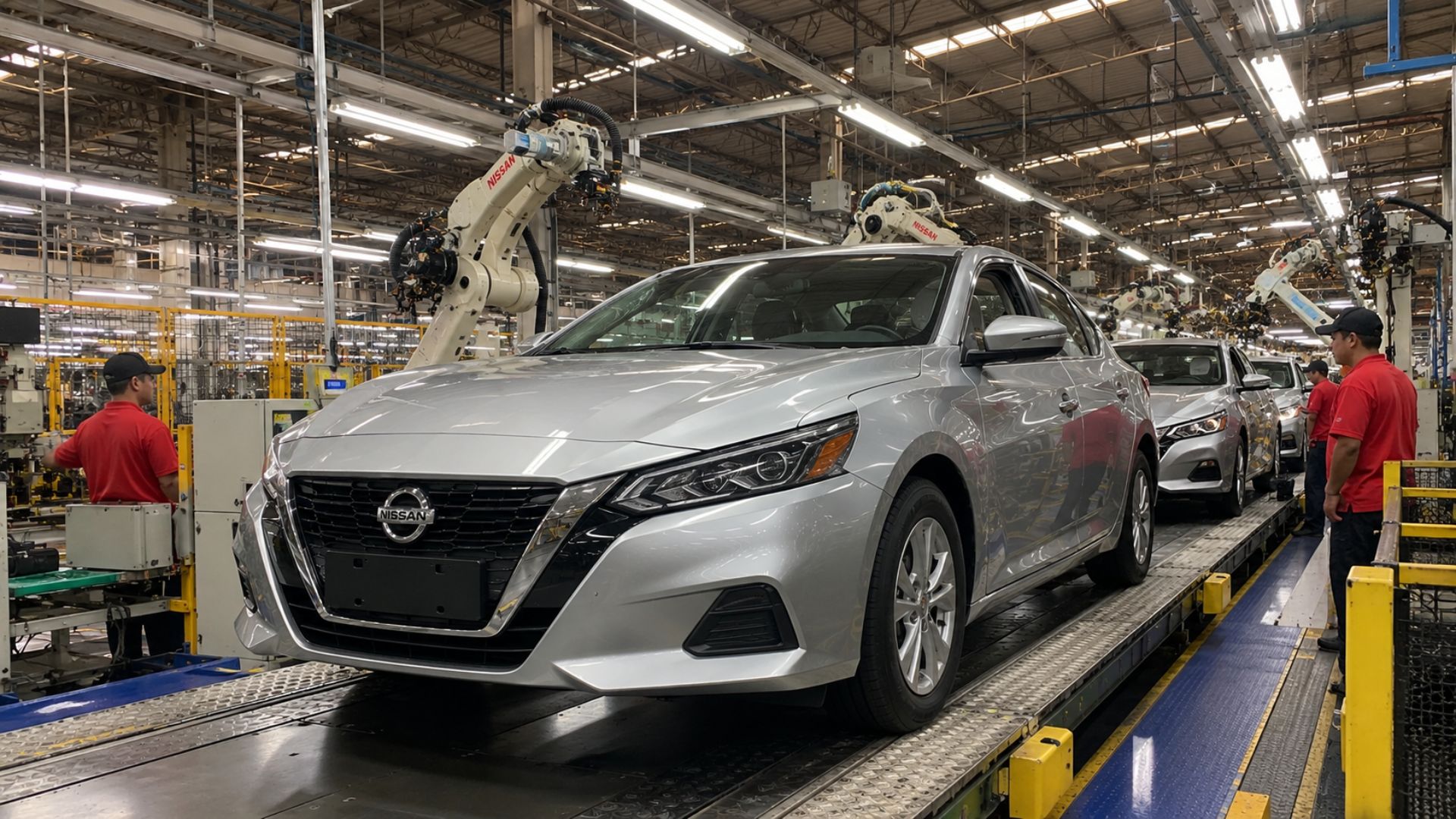
The renewal of driving school fleets goes beyond just ensuring newer cars. It aims to ensure that future drivers are trained in vehicles that possess the most modern safety systems. The presence of airbags, electronic controls, and electric steering are just some of the benefits that the new law will bring to the daily practice classes.
Old vehicles tend to have more mechanical failures, which could compromise the quality of education and put the lives of students and instructors at risk. Therefore, the bill aims not only for modernization but also for an adaptation to the current technological reality, where safety is an indisputable priority.
Incentive to Sustainability
Another important point addressed by the bill is the incentive to sustainability. Newer vehicles tend to be more fuel-efficient and less polluting, contributing to a reduced environmental impact. This aligns the legislation with global environmental preservation policies and also stimulates the automotive industry by increasing the demand for new cars.
For driving schools, the change presents a financial challenge, as fleet renewal can incur high costs. However, in the long run, the benefits, both in terms of safety and savings on maintenance, may outweigh these initial expenses.
What to Expect from the Future of the Driving License?
With the bill approved, candidates for the driving license will have the opportunity to learn to drive in more modern vehicles, which can directly reflect in the formation of better-prepared drivers. This change can be seen as a step forward in modernizing the teaching system in driving schools, adapting it to new technologies and market demands.
It is important to remember that obtaining a driving license remains an essential step for the autonomy and mobility of millions of Brazilians. The process of obtaining the license, despite changes in the fleet of vehicles, continues to value the quality of learning and compliance with traffic regulations.
Fake News: End of Driving Schools?
Recently, a viral video on TikTok spread false information about the supposed end of driving schools in Brazil. The rumor suggested that the sanctioned bill would eliminate practical lessons and remove the need to attend a driving school to obtain a driving license. However, this is nothing but misinformation.
The bill 4474/20 only establishes new age limits for the vehicles used in driving lessons, ensuring greater safety and modernity. Driving schools remain essential in the process of training drivers, and training with qualified instructors is a crucial step in obtaining a driving license.
Therefore, the end of driving schools is not on the agenda, and the law aims to strengthen the sector, ensuring that it is prepared for the challenges of the future.
Bill 4474/20 Brings Important Changes to the Sector
The bill 4474/20 brings important changes to the driving school sector in Brazil, requiring fleet renewal and the adoption of newer and safer vehicles. The measure seeks to improve the quality of driving instruction and ensure the safety of students, while at the same time encouraging sustainable practices and stimulating the automotive industry.
Driving schools will now have to adapt to the new reality, but the expectation is that these changes will result in better prepared and safer drivers on the roads. At the same time, the sanction of the bill helps combat fake news and reinforces the importance of driving schools in the training process of new drivers.
If you liked this news or have any opinion about the bill and the changes in driving schools, I would love to hear what you think! Leave your comment.