






 Portuguese
  Spanish




Labor Justice Contradicts STF and Rekindles the Controversy Over Employment Links, Generating Uncertainties for Drivers, Delivery Workers, and the Major Transportation and Delivery Platforms.
Are we close to the end of Uber, 99, and iFood? The controversy over the employment link between workers and app platforms has heated up again, with recent decisions from Labor Justice going against what had already been established by the STF (Federal Supreme Court). While drivers and delivery workers await a resolution, the situation is generating uncertainties for all involved, including the companies themselves.
Workers’ Autonomy Defines Their Relationship With the Apps
Since 2018, the STF has consolidated the understanding that there is no employment link between workers and app platforms like Uber and 99. The main justification is the flexibility offered by these companies: drivers can choose their schedules, refuse rides, and even operate on multiple platforms at the same time.
In December 2023, the 1st Panel of the STF reaffirmed this position, highlighting the autonomy of drivers as one of the pillars of these platforms’ business model. According to the Supreme Court, the relationship does not meet the traditional criteria of the CLT (Consolidation of Labor Laws), such as subordination and exclusivity. However, even with the clear positioning of the STF, Labor Justice has been moving in another direction.
-
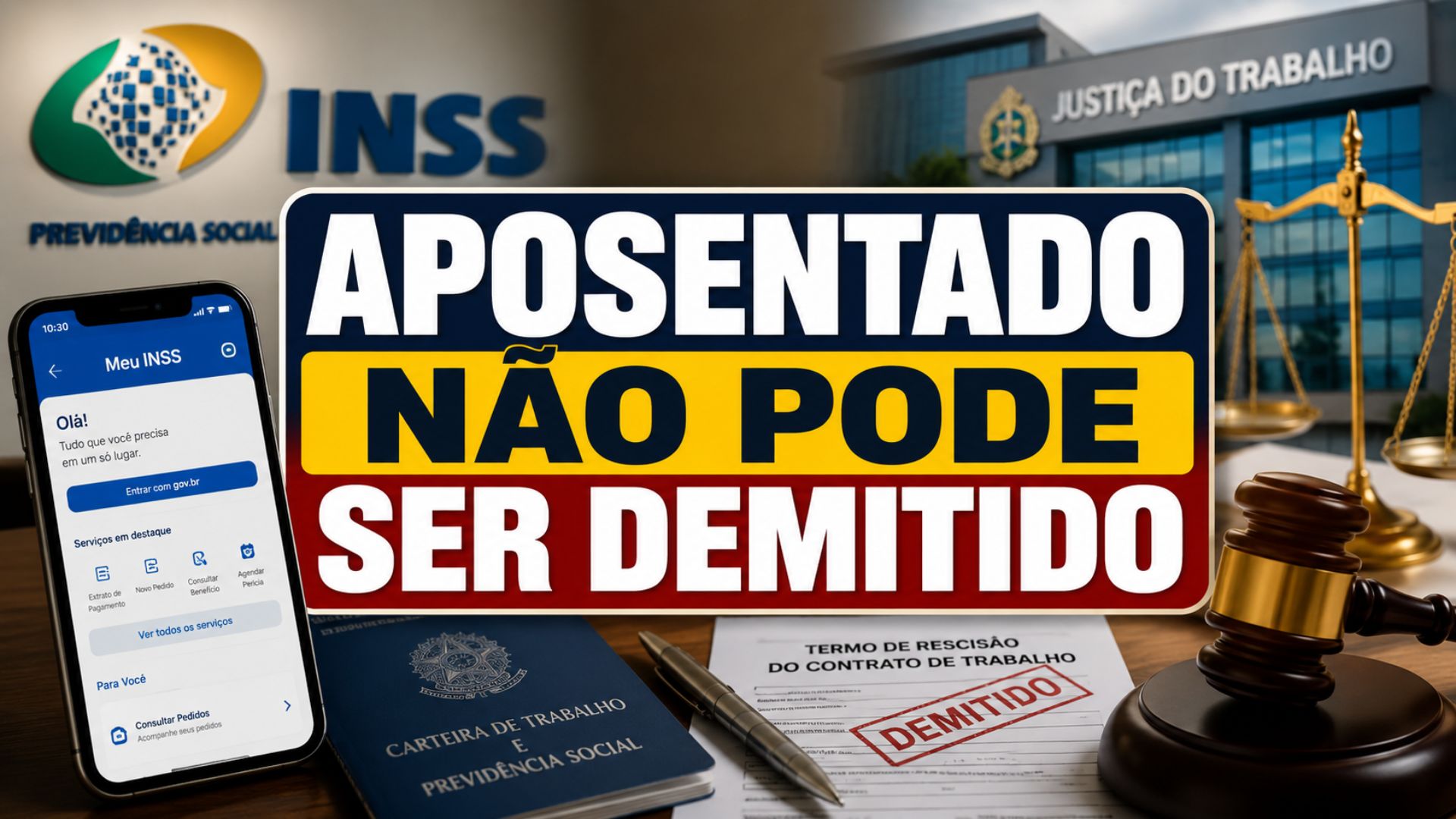
Dismissing a retired worker or one eligible for retirement constitutes ageism and creates a duty to compensate: a unanimous decision by the TRT mandates reinstatement to employment, payment of back wages, and upholds compensation of R$ 15,000 for discrimination.

-
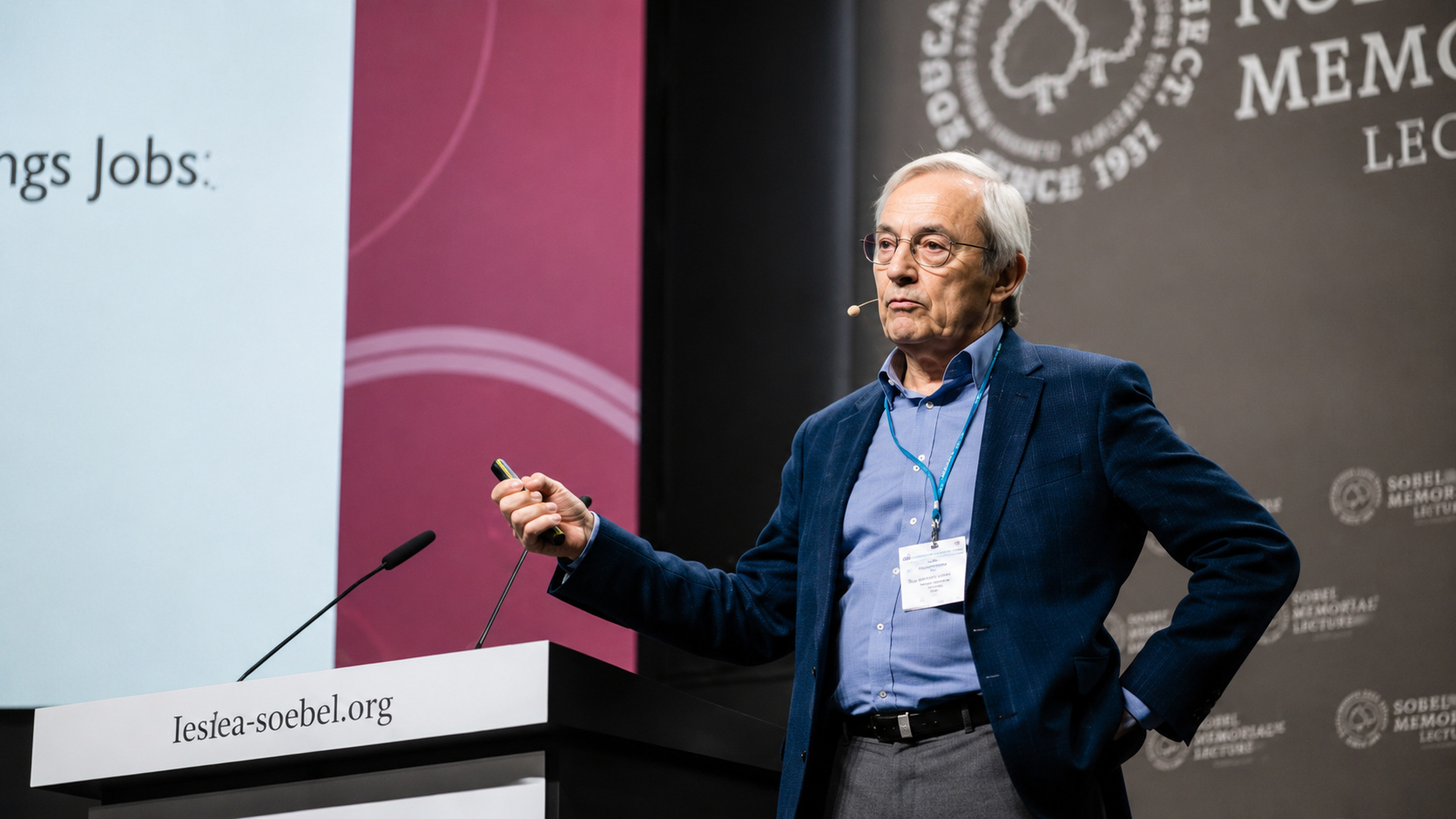
Work less and produce more? Nobel Prize in Economics explains why shorter workdays can increase productivity

-
Unions are growing again in Brazil after more than a decade, but they face an urgent challenge to win back digital workers and maintain relevance.
-
From the typewriter to the home office: how work has changed and why new generations think differently


Despite this, the STF scheduled a public hearing for December 9 and 10, aiming to discuss the possibility of recognizing the employment link. The hearing was convened by Justice Edson Fachin, rapporteur of the appeal addressing the relationship between workers and platforms. This event will bring together experts, company representatives, and drivers to analyze the social and economic impacts of a potential change in the current model.
Labor Justice Challenges STF’s Understanding
In recent months, regional courts, like the TRT of the 2nd Region (SP), have begun to issue decisions contrary to the STF’s understanding. A recent example involves the 2nd and 14th Panels of TRT-2, which recognized employment links in cases involving the Rappi and Levoo Tecnologia apps.
Moreover, public civil actions (ACP) filed by the Public Ministry of Labor (MPT) against 99 and iFood are gaining traction. In the case of 99, Labor Justice in São Paulo denied the employment link for 99 drivers, in a decision made by the 3rd Panel of TRT-2 last Tuesday (3). The ruling confirmed the previous sentence from the 72nd Labor Court, issued in March 2023, which had already dismissed the existence of an employment relationship between the platform and the drivers.
In the case of iFood, the action will resume on Thursday (5). So far, two votes are against the app, while the third judge requested more time for analysis.
STF Also Signals Uncertainties About the Topic
Although it consolidated, in 2018, the understanding that there is no employment link between app drivers and the platforms, the STF itself also signals uncertainties around the subject. Recently, Justice Edson Fachin convened a public hearing, scheduled for December 9 and 10, to discuss precisely this issue.
The goal is to hear experts, company representatives, and workers to assess the possible economic and social impacts of a potential recognition of the employment link. This movement reinforces the complexity of the debate and shows that even the Supreme Court seeks to align its position in light of new dynamics of digital work.
Impacts of STF and Labor Justice Decisions on Workers and Companies
The issue of employment links is extremely complex. For workers, a formal recognition could bring benefits such as paid vacations, a 13th salary, FGTS, and access to basic labor rights. However, it would also bring limitations, such as the loss of flexibility in schedules and possibly a reduction in the number of available positions.
For companies like Uber, 99, and iFood, the requirement to formally hire workers could make the current business model unfeasible. With the need to pay labor costs and adjust operations, expenses would rise significantly, which could lead to increased prices for users or even the exit of some platforms from the market.
Juliano da Silva Prates, 34, works as a fixed motorcycle courier at a bakery and still supplements his income with deliveries for apps. He fears that if he were hired with a formal contract by the apps, he would lose the flexibility to balance the two roles and end up with a lower income than he currently manages.


What’s at Stake?
The controversy is not exclusive to Brazil. In other regions, such as California and the United Kingdom, similar decisions have resulted in changes for app platforms. However, the adopted models vary: while some opted for the full formalization of workers, others created intermediate categories, with specific labor rights for this type of relationship.
In Brazil, the debate is far from over. The ACP against iFood, for example, started in 2019, was rejected in the first instance, and only gained momentum again with the appeal to TRT-2.
What Will Be the Future of Apps in Brazil?
The unanswered question is: will Brazil see the end of Uber, 99, and iFood as we know them? If regional courts continue to contradict the STF, companies may face an increasingly complicated legal scenario, putting the continuity of operations in the country at risk.
On the other hand, many workers advocate that a middle ground must be found, ensuring basic rights without undermining the flexibility that makes apps an attractive option for both drivers and delivery workers.
The decision regarding the employment link could shape the future of work in Brazil, redefining how we understand employment in times of digital economy. In the meantime, all eyes are on Labor Justice and the STF, which need to align their positions to avoid a collapse in the sector.
For now, we must wait for the next chapters of this legal saga — and hope that the outcome does not end up leaving drivers, delivery workers, users, and companies in a bind.
And you, do you think we are really seeing the end of Uber, 99, and iFood as we know them? Let us know in the comments, we want to hear your opinion!


Não basta os impostos absurdos!
Taxar de todas as formas alternativas de ganhos livres que já são descontados impostos do cidadão brasileiro é a marca registrada desse governo, é o estado destruídor cada vez mais, de qualquer forma, de liberdade.