Portuguese
  Spanish




FIRJAN Defends Mapping Our Wealth Aiming for Balance in Onshore, Offshore, Post-Salt and Pre-Salt and Simplification of the Rules Regulating the Entire Oil and Gas Chain
The Manager of Oil, Gas, and Naval at Firjan, Karine Fragoso, stated in an interview with Petronotícias that although the pandemic has wreaked havoc on the global economy, it is important for oil and gas companies and government bodies to know that the recovery of the sector initially depends on simplifying regulations. Petrobras Starts Selling Petrobras Biocombustível.
Read Also
- Petrobras Abandons Offshore Wind Project in Rio Grande do Norte
- Government Prepares 4 Major Privatizations for the Next 3 Months
- National Congress Tries to Block Sale of Petrobras Refineries
According to her, “The deconstruction of prohibitive rules and disincentives, which only exist to hinder Brazil’s strength in land activities and offshore, should be our mantra.”
-
With a record production of nearly 3 million barrels per day, Petrobras resumes importing diesel in July, highlighting the bottleneck in Brazilian refining.

-
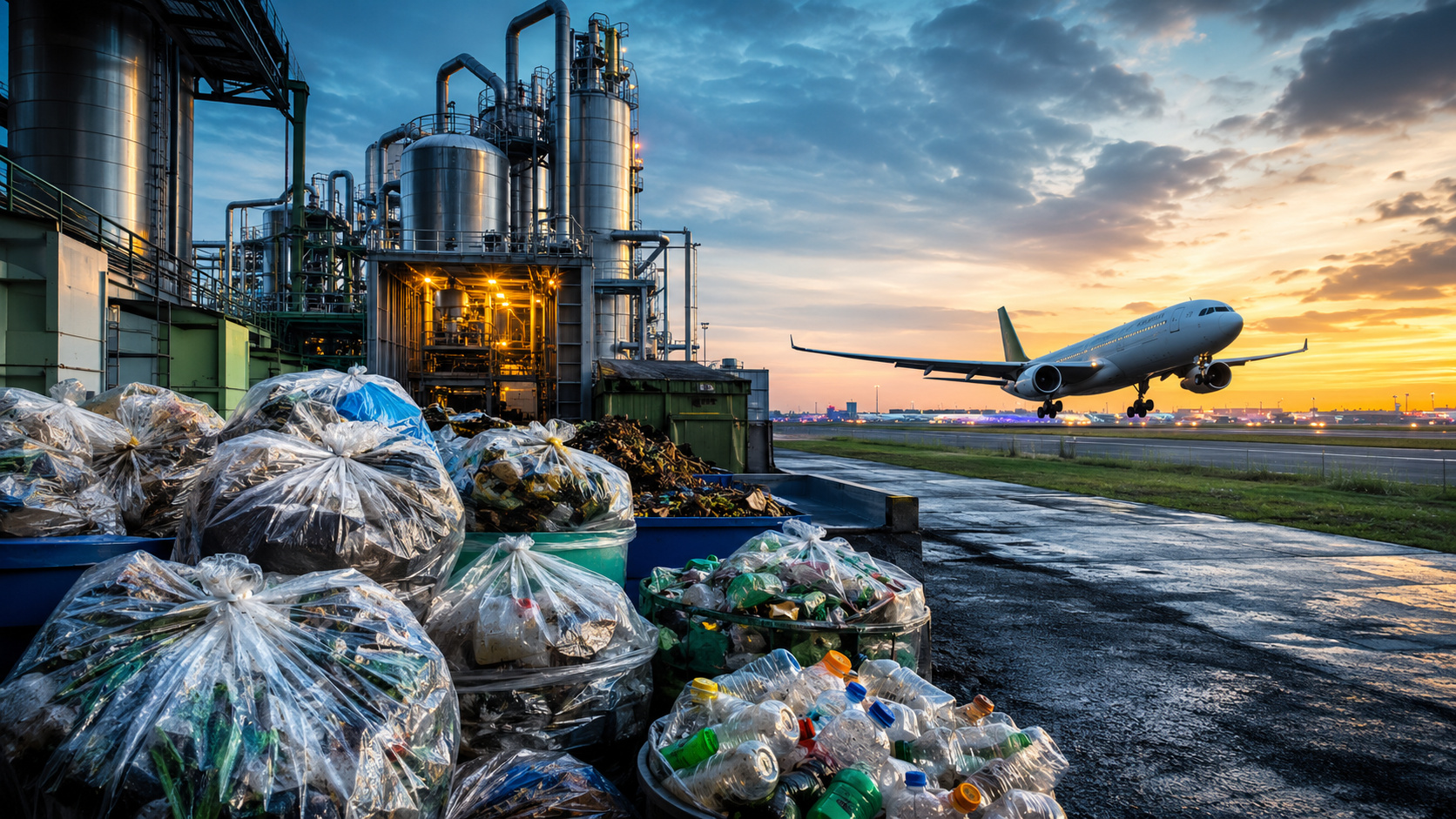
Qantas and Airbus Invest in Company Aiming to Convert Unsorted Household Trash into Jet Fuel

-
Brazil’s ANP Opens 86 New Oil Blocks in the Equatorial Margin, Expanding the Amazon River Mouth Frontier

-
OPEC+ Boosts Oil Supply by 188,000 Barrels per Day in July 2026, Leading to Price Drop from $112 to $89 per Barrel in Under Two Months
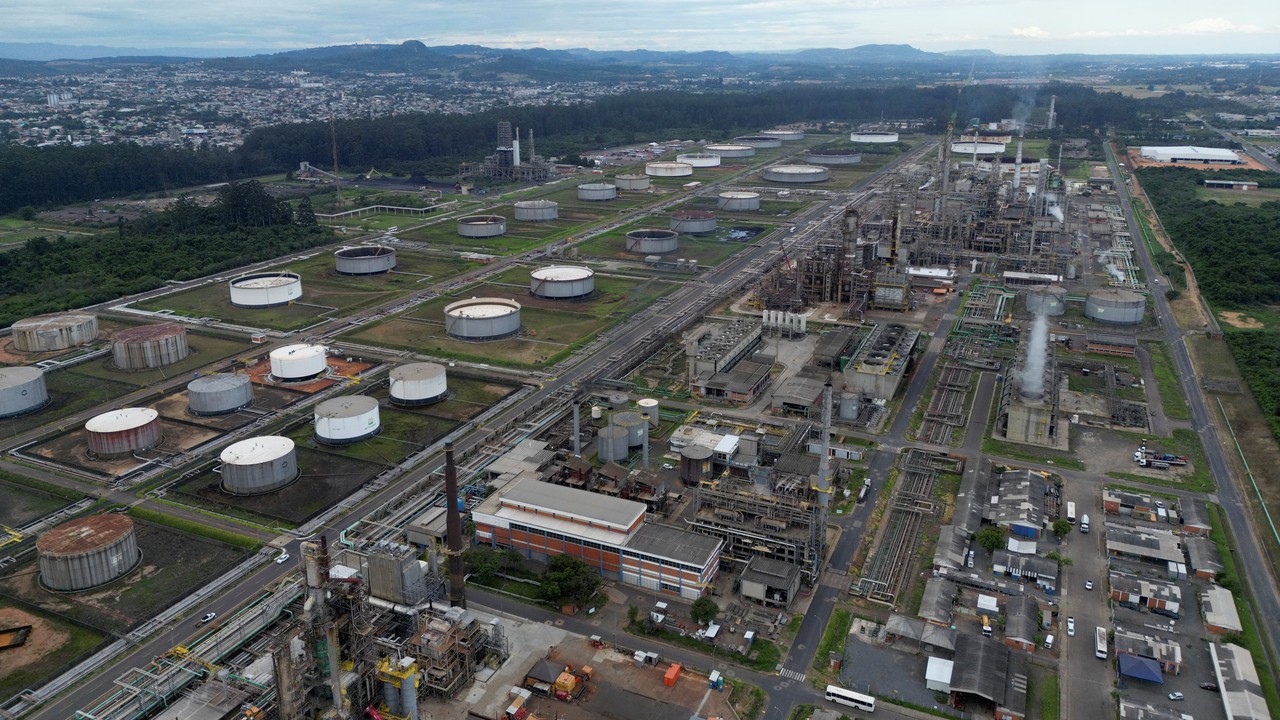
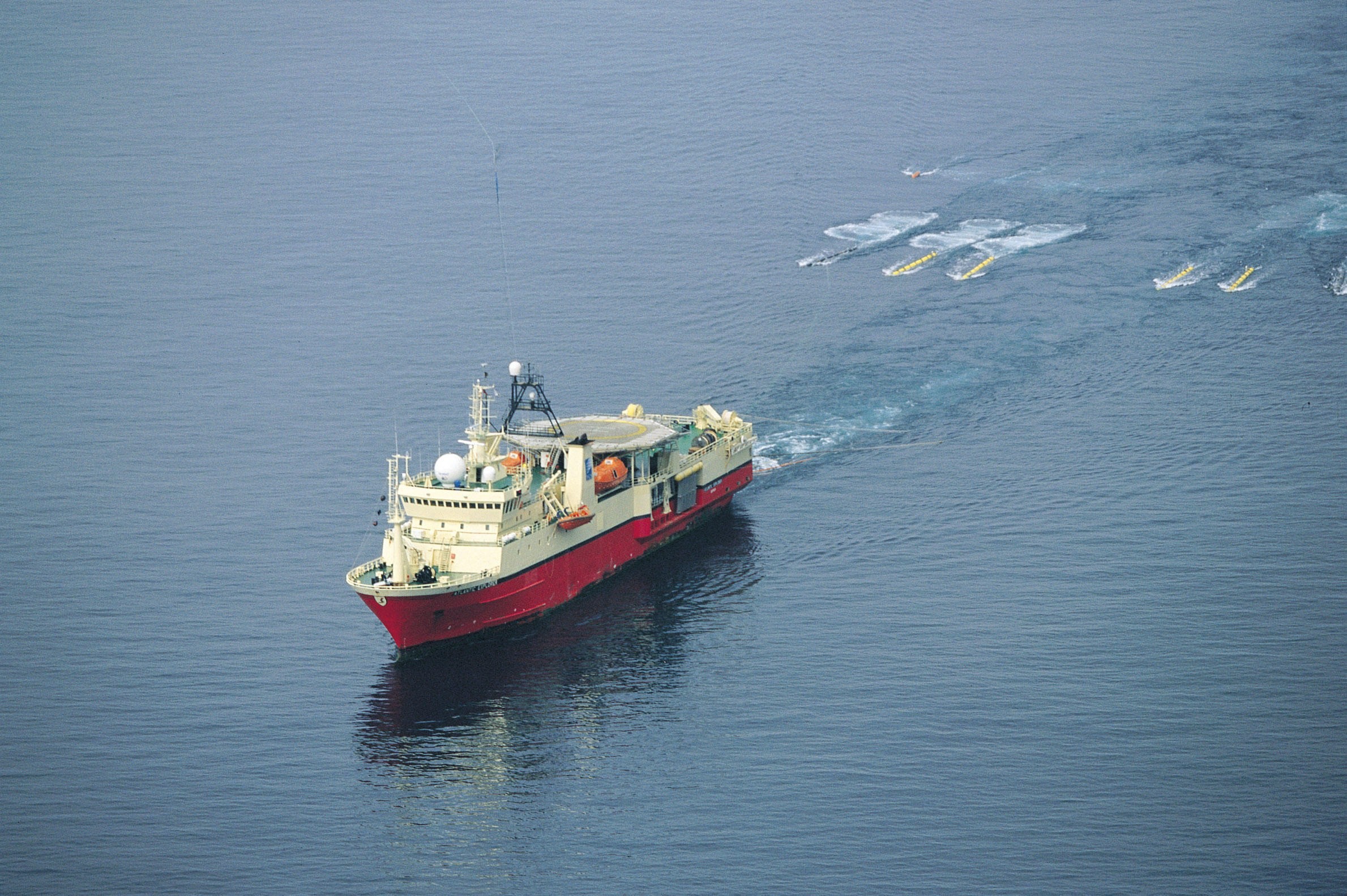
Other initiatives were also advocated by the Manager of Oil, Gas, and Naval at FIRJAN, such as a more detailed mapping of our wealth, because according to her: “The same wealth that emerges from the pre-salt can emerge from the interior of Brazil and regain momentum from post-salt trapped in the Pre-Salt Polygon.”
Taxation
Karine mentioned in the interview, when asked about the importance of the state of Rio de Janeiro’s adherence to Repetro, that the internalization was a victory of many fronts and faces that will give the state’s companies a chance to compete using a natural advantage they have: logistics.
The need for greater use of technology in the daily operations of companies, the relevance of entrepreneurship, the potential of Brazilian onshore, among other important topics for the entire oil and gas industry in Rio de Janeiro, were discussed in the interview.
Karine also expressed her support for Petrobras’s exit from Onshore and shallow waters. For her, this will lead to a true race of small companies that will create local jobs in areas where these industries are important wealth generators.