






 Portuguese
  Spanish


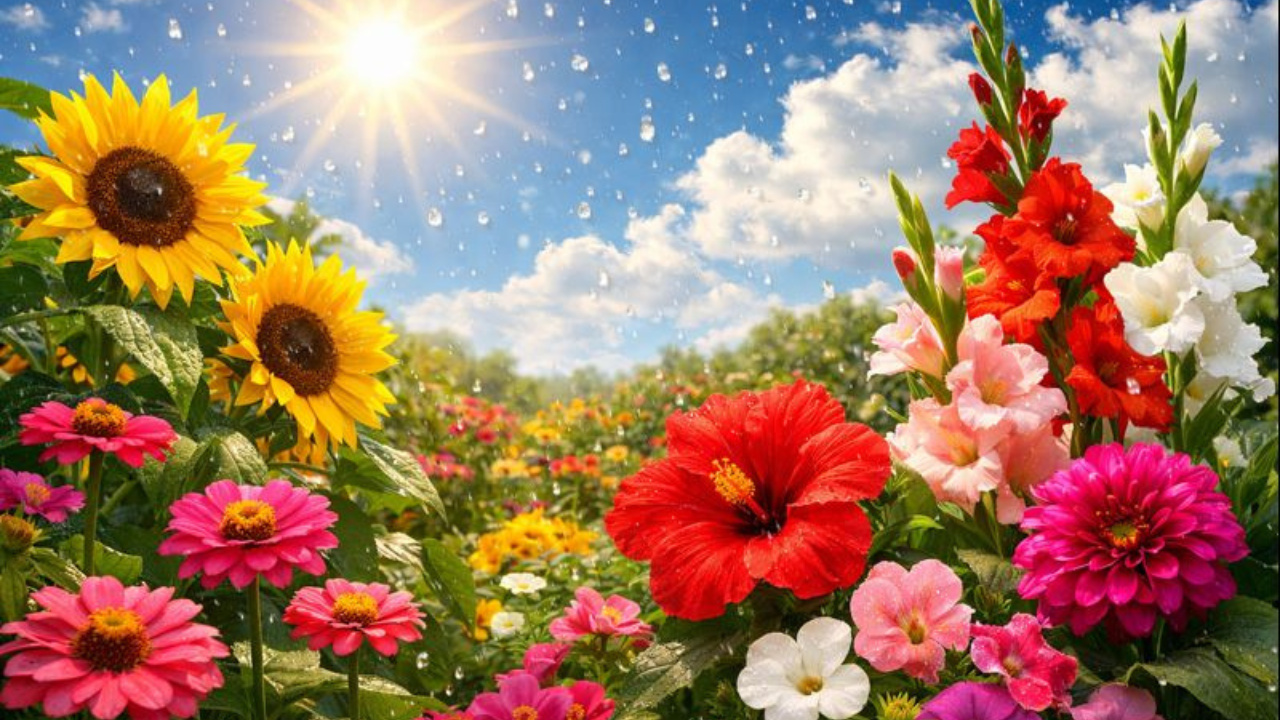


Hot And Humid Climate Boosts Flowering In January For Summer Flowers And Ornamental Plants; See Care For Flowers.
Summer flowers enter their most intense period of development and beauty in January, when the hot and humid climate favors the flowering in January of various ornamental plants in Brazil.
The phenomenon occurs in gardens, pots, and commercial productions, driven by the combination of high temperatures, frequent rains, and longer days, which stimulate accelerated growth and flower production.
According to specialists, understanding this cycle is essential for those who wish to take advantage of the season’s potential and ensure the proper care for flowers.
-
Viral Video of Giant Gold Nugget in Brazil’s Oiapoque Revealed as Painted Rock by French Guiana Miner

-
18th-Century Treasure Uncovered in Brazilian Amazon: 20 Réis Coin and Dutch Pipes Found at Construction Site
-
New York Resident Uncovers Complete Mastodon Jawbone in Backyard After Spotting Teeth Emerge from Ground
-
Young Treasure Hunter from Brazil’s Balneário Camboriú Finds $22,000 in Jewelry with Metal Detector, Aims for $1 Million, and Returns iPhone Found in Ocean


Why January Boosts Summer Flowers
January brings together ideal climate conditions for the development of summer flowers.
Thus, the high temperatures, combined with constant soil moisture and increased photoperiod, create a favorable environment for flowering.
According to floral mentor Cristiely Santos, in an interview with Globo Rural, this is the period when plants most adapted to summer show their best performance.
“These are flowers that do not suffer during summer. They use this climate to grow and bloom,” she explains.
Moreover, the increase in hours of sunlight stimulates important physiological processes, such as photosynthesis, accelerating the growth of ornamental plants.
Characteristics Of Flowering In January
Thus, the flowering in January follows a pattern observed in various species. In general, these plants thrive best in temperatures between 22 °C and 35 °C and tolerate moist soils, as long as they are well-drained.
In this context, it is common to notice denser foliage, rapid growth, and concentrated blooming.
Therefore, the month stands out for both those who grow flowers at home and for producers and florists.
Main Summer Flowers That Stand Out In January
Among the most common summer flowers during this period, standout species adapt well to the hot and humid climate of Brazil.
They are:
Sunflower;
Hibiscus;
Zinnia;
Cosmos;
Vinca (Good Night);
Petunia;
Dahlia;
Gladiolus;
Allamanda;
Ixora.
According to Cristiely Santos, these ornamental plants exhibit more consistent flowering, both in outdoor gardens and well-lit indoor environments.
Care For Flowers During The Summer
Thus, despite the favorable conditions, January requires extra attention to the care for flowers.
Excessive rain can cause problems if there is no proper management.
The main recommended care includes:
Avoiding waterlogging the soil by ensuring good drainage;
Maintaining adequate ventilation to reduce the risk of fungi;
Adjusting sunlight exposure according to the species’ requirements;
Performing light pruning to stimulate flowering;
Paying special attention to petunias and dahlias grown in pots, which are more sensitive to excess water.
Therefore, the balance between moisture and ventilation is essential to preserve the health of ornamental plants.
Good Choices Of Summer Flowers For Arrangements And Gardens
For those who wish to take advantage of the flowering in January, choosing seasonal species is the best strategy.
For Floral Arrangements
Sunflower;
Gladiolus;
Zinnia;
Cosmos;
Dahlia;
Tropical Foliage.
For Gardens
Hibiscus;
Ixora;
Allamanda;
Vinca;
Zinnia;
Cosmos;
Manacá-da-serra.
These options ensure greater durability and better adaptation to the hot and humid climate.
Gladiolus Stands Out Among Ornamental Plants
Therefore, gladiolus is one of the most sought-after ornamental plants in January.
In full harvest season and with ample supply, the flower stands out for its versatility and ease of use.
To create an arrangement at home, the process is simple. Use a medium or tall vase, cut the stems’ bases diagonally, and remove any leaves that would be submerged.
The ideal number is three to five stems, arranged in a fan shape.
Thus, the florist’s final recommendation is to keep the vase in a well-lit area, away from direct sunlight, and change the water every two days.
“In addition to the decorative aspect, caring for flowers can also be a simple way to slow down the routine,” concludes Cristiely Santos.


