






 Portuguese
  Spanish


Known as a treasure hunter, Mateus Natan turned metal detecting into income on the beaches of Balneário Camboriú: he has already accumulated more than R$ 22,000 in jewelry found in the sand with a metal detector, aims for the first million, and even made headlines by returning an iPhone he found buried in the sea.
At 27 years old, Mateus Natan da Silva became known on the internet for doing something that seems like child’s play but turned into a profession: he walks along crowded beaches with a metal detector in hand and digs up what beachgoers lose in the sand. What started as a teenage hobby now brings real money and thousands of followers. Rings, watches, GoPro cameras, and even a boat engine have been unearthed under his feet.
According to a report by ND Mais, the treasure hunter of Balneário Camboriú estimates he has recovered more than R$ 22,000 in items found in the sand and says he aims for a bold goal: to reach R$ 1 million with what he finds on the beaches. The values are declared by Mateus himself and not audited, but they give an idea of how metal detecting stopped being a pastime and became a source of income.
Who is the treasure hunter of Balneário Camboriú
Mateus Natan is 27 years old and lives in Balneário Camboriú, on the northern coast of Santa Catarina.
-
Three Boys Discover Rare 67-Million-Year-Old Juvenile T. Rex Fossil in North Dakota

-
Company Develops World’s Thinnest Chocolate at 0.03 Millimeters Using Exclusive Machine Designed in Japan

-
Brothers Build Sustainable Bamboo and Earth House in Brazil, Sharing Secrets of Eco-Friendly Living
-
At 22, Andréia left law school to become a truck driver; six years later, she travels across Brazil transporting grains with 130,000 followers.


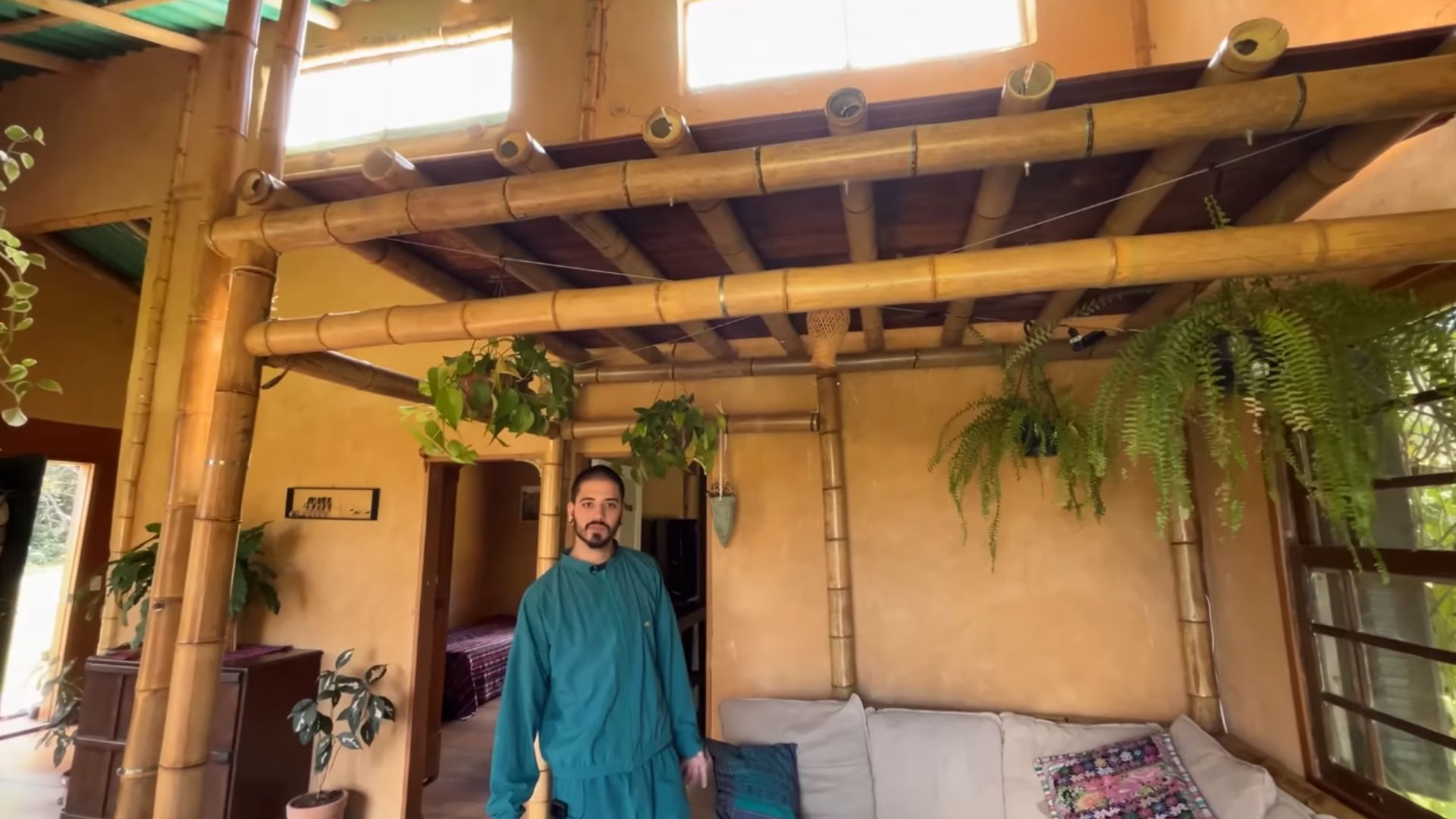

The passion for metal detecting began early, during his adolescence, influenced by his father.
He bought his first metal detector at 15, but only found loose coins and a lot of trash, and ended up giving up.
The reunion with the hobby came during the pandemic, when he decided to turn the search into content for the internet.
The first video, in which he found only 70 cents, went viral and marked the beginning of his career as a treasure hunter and digital influencer.
Today he has hundreds of thousands of followers who follow each search on the beaches of Balneário Camboriú.
How the hunt for jewelry in the sand works
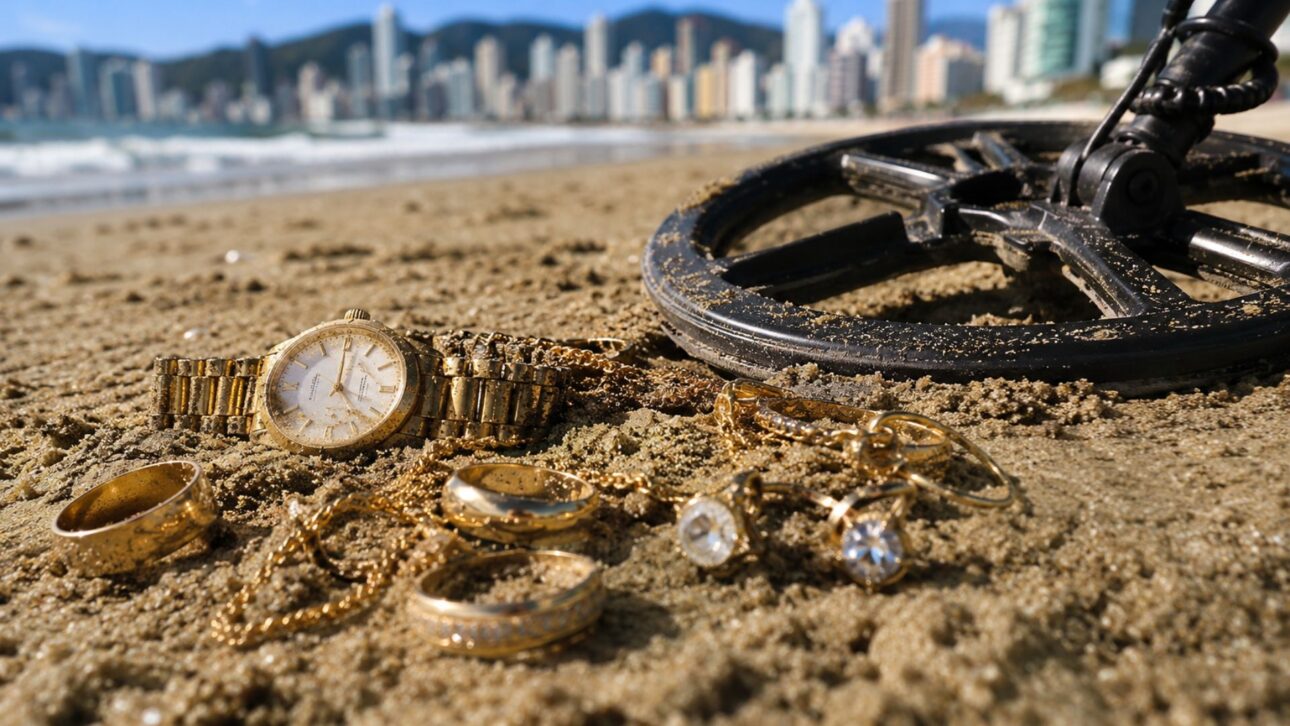
Most of the time, the work requires patience, sweeping meter by meter with the device.
When the signal beeps, he digs carefully not to lose the exact spot.
The specialty has become precisely finding jewelry in the sand: rings, necklaces, and earrings that slip from fingers and necks in the water.
A good portion of the jewelry in the sand appears near the surf, where the waves’ back and forth releases the pieces.
Each recovered ring can be worth hundreds or thousands of reais, and that’s where metal detecting stops being a hobby and becomes income.
For the treasure hunter, the secret lies in knowing the tide schedules and the busiest spots.
The metal detector that cleans the beach as a bonus
Not everything that beeps is treasure, and Mateus makes a point of showing that.
About 90% of what he removes from the sand is trash: bottle caps, cans, pieces of plastic, and fishing lead.
In practice, the metal detector ends up providing an environmental service to the city.
On each outing, he fills bags with metallic waste that would remain buried on the shore for years.
The same equipment that searches for jewelry in the sand also returns a cleaner beach to bathers.
It’s a side effect that the treasure hunter likes to showcase in the videos.
The iPhone found in the sea that tracked the owner via Pix
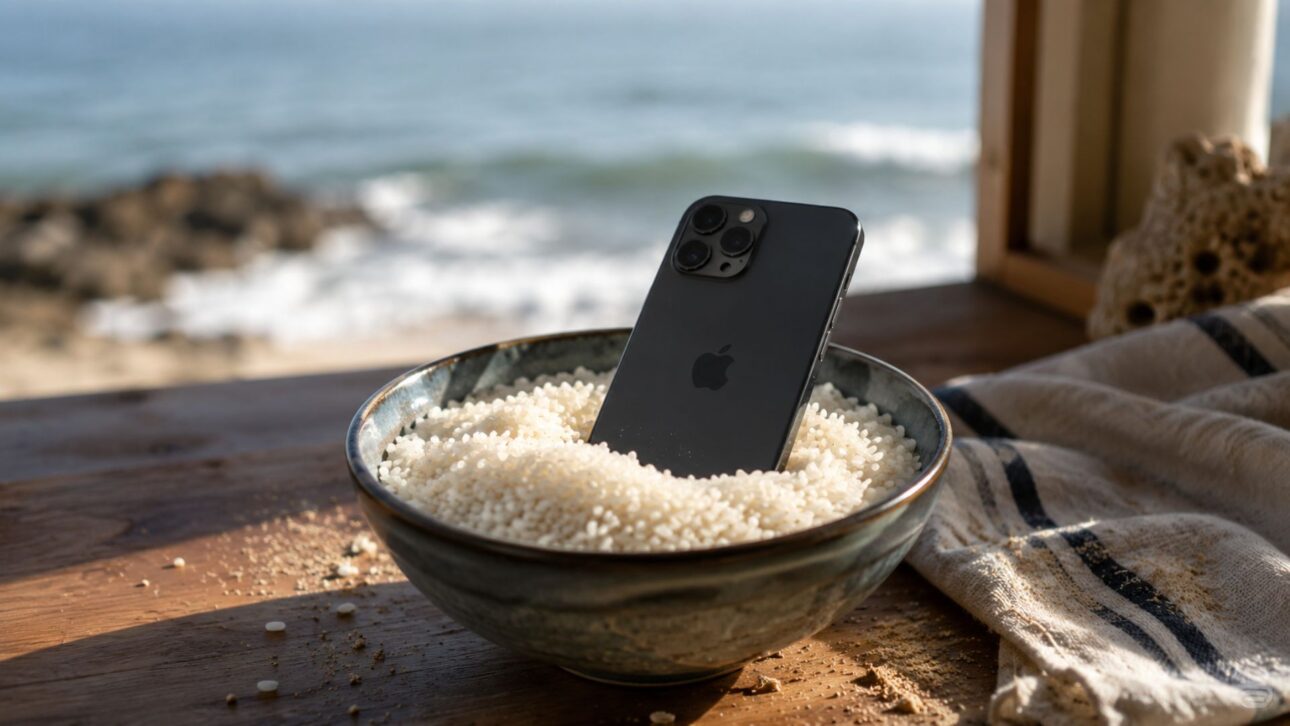
Mateus found an iPhone buried at Central Beach in Balneário Camboriú, still in working condition.
To recover the device, he washed everything in running water, removing the salt and sand.
Then he left the iPhone submerged in rice for two days to draw out the moisture from inside.
When he charged it and the phone turned on, the challenge came: to find out whose it was.
Without an emergency contact saved, he had the idea to use the chip number as a Pix key.
The Pix revealed the owner’s name, Isadora, a tourist from Paraná who had lost the device in the sand.
According to NSC Total, the treasure hunter located the tourist and returned the iPhone, moving the owner.
From a hobby of R$ 0.70 to the dream of the first million
Mateus’s journey shows how a pastime can quickly scale in the age of social media.
From the 70-cent video to treasure hunts with hundreds of thousands of views, it was a matter of months.
Today, metal detecting is divided between beach treasure hunting and content creator income.
The declared goal of R$ 1 million sums up the value of the pieces found over the years.
It’s worth remembering: this number is Mateus’s own projection, not a fortune already in his pocket.
Even so, the jewels in the sand have already paid for the equipment investment and yielded those R$ 22,000.
For someone who started finding coins and trash, metal detecting has become a real business in Balneário Camboriú.
What the case of the treasure hunter from Balneário Camboriú shows
The case of Mateus Natan teaches that discipline and consistency turn a hobby into income.
It’s not a one-day luck, it’s a routine of 8 to 10 outings per month with the metal detector.
It’s worth keeping your feet on the ground, though.
The R$ 22,000 and the goal of R$ 1 million are numbers declared by the treasure hunter himself, without independent audit.
A good part of the return also comes from social media, not just the jewels in the sand.
And not every day yields a gold ring: most of the time, what comes out of the ground is trash.
Even so, the story has what every good turnaround needs: work, technique, and an honest gesture, like returning the iPhone to the owner.
More than the value of the pieces, it proves that metal detecting is patience combined with purpose.
And you, would you let a treasure hunter search the sand where you lost something on the beach? Tell us in the comments if you’ve ever found or lost any jewelry in the sand, we want to read your story.


