Portuguese
  Spanish


Half a Century After the End of the Vietnam War, the Environmental Impact of Chemical Devastation and Military Tactics Persists, Revealing the Deep Marks Left by the Destruction of Nature in Times of Conflict
On April 30, 1975, the Vietnam War came to an end, leaving behind more than human destruction. The conflict also devastated nature. Mangroves, forests, and rivers were severely damaged.
The term “ecocide” emerged in the late 1960s to describe the use of chemical weapons, such as Agent Orange, by the U.S. military. Fifty years later, the soil and water of Vietnam still bear the marks of this devastation.
Vietnam War: The Origin of Ecocide
Even before the deployment of American troops in 1965, the war was already ravaging Vietnam. To combat an unseen enemy in the jungles and swamps, the U.S. resorted to environmental modification tactics.
-
European Parliament Approves Digital Euro, Aiming to Challenge Visa and Mastercard’s Dominance and Transform Payments Across Europe by 2029

-
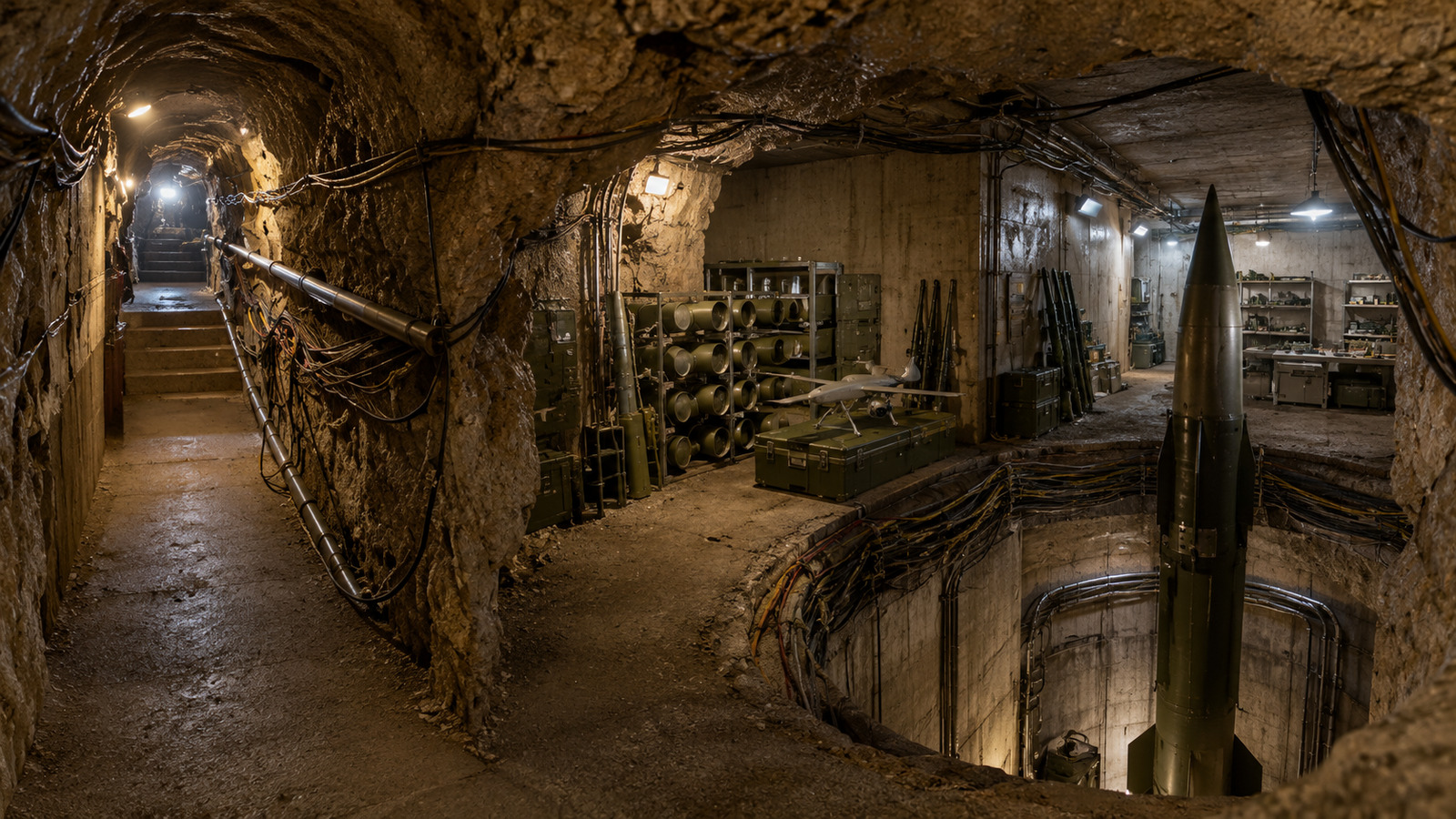
Israel finds Hezbollah militarized tunnel over 200 meters long under village, with 4 missile launch shafts, 12 chambers, anti-tank missiles, drones, and weapons depots at a depth of 25 meters.

-
Ukraine launches largest drone attack on Moscow since 2022, Russia claims to have intercepted nearly 200 aircraft near the capital, Kapotnya refinery targeted again, and offensive reignites alert about war reaching the Russian energy heart just a few kilometers from the Kremlin.

-
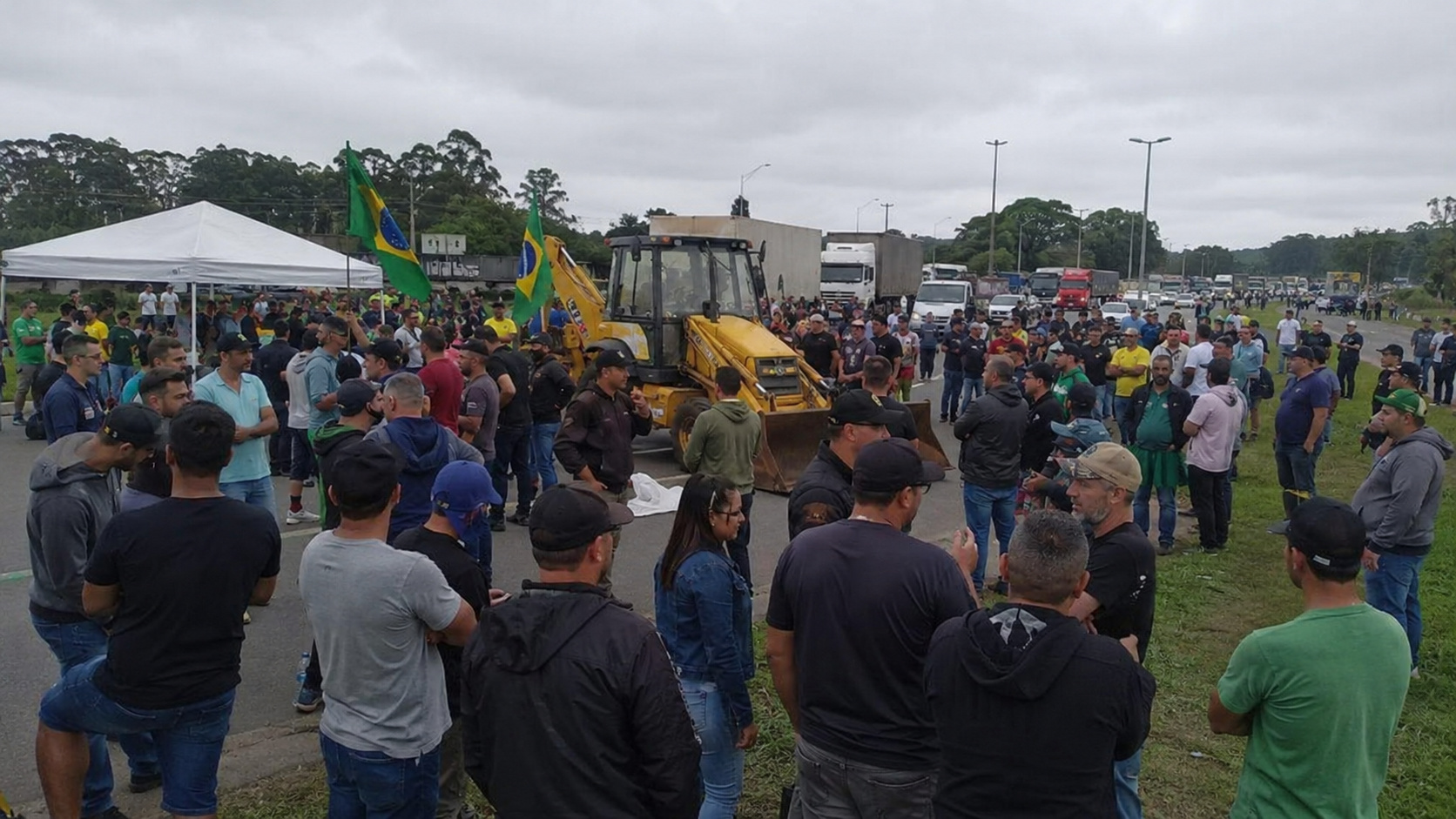
Truck drivers, freight, and fines from 2022 take center stage in politics: Chamber approves MP with amnesty, mandatory tracking by CIOT, million-dollar penalties, and new minimum wage for those who spend more than 24 hours on the road.


The most well-known was Operation Ranch Hand, which sprayed over 75 million liters of herbicides across 2.6 million hectares. Much of this action involved Agent Orange, contaminated with dioxin, a toxic compound.
The objective was clear: to eliminate vegetation to expose guerrillas and destroy suspected crops. Civilians and soldiers were equally exposed.
In 1969, evidence emerged that Agent Orange caused congenital defects in animals. In response, the use of the product was suspended in 1970, and the last mission occurred in 1971.
The Fire That Consumed Forests
In addition to herbicides, the U.S. used incendiary weapons on a large scale. Napalm spread over 400,000 tons of thickened oil across Vietnamese territory.
Fires killed plants and animals and left the soil infertile, dominated by invasive grasses. Experiments conducted by the U.S. Forest Service also tested the incineration of large areas, further exacerbating the destruction.
Machines called “Rome Plows” cleared vast areas of forest daily. “Daisy Cutter” bombs generated shock waves capable of destroying all life within a radius of 900 meters.
Climate modifications were also employed, with Project Popeye, which seeded clouds to prolong rains and hinder enemy routes.
Ignored Impacts
Despite warnings from scientists and concerns from Congress, little effort was made to assess the environmental damage caused by the war.
The destruction was difficult to measure, as many areas were inaccessible and lacked constant monitoring. American military officials argued that the strategy was effective, trading trees for American lives.
After the war, the U.S. imposed an economic embargo on Vietnam, hindering any environmental recovery efforts. Vietnamese researchers, with limited resources, conducted local studies.
A survey revealed that 80% of the forests sprayed with herbicides had not recovered by the 1980s. Biodiversity in these areas was drastically reduced.
Recovery Attempts
Some restoration efforts began late. In 1978, foresters initiated the manual replanting of mangroves in the Cần Giờ forest.
Inland, tree planting programs only gained momentum in the late 1980s and 1990s, but prioritized exotic species, such as acacia, which did not restore the original diversity of the forests.
The cleanup of contaminated areas also took time to begin. For decades, the U.S. denied responsibility for the damages caused by Agent Orange. It was not until 2006 that an agreement was reached to start the decontamination of Da Nang airport, an old storage site for the chemical.
The cleanup work, completed in 2018, treated 150,000 cubic meters of contaminated soil at a cost of over US$ 115 million, primarily funded by USAID. The remediation involved complex techniques, such as draining lakes and heating the soil to break down dioxin molecules.
Legal and Political Challenges
Despite international laws created after the conflict, such as the revision of the Geneva Conventions in 1977 and the signing of treaties against the use of incendiary weapons, many environmental damages remain unpunished. Recent cases in Ukraine, Gaza, and Syria show that these treaties have limited effectiveness in practice.
Vietnam was the first country to declare ecocide as a crime in its penal code. However, the law has not yet resulted in prosecutions. Russia and Ukraine also have similar laws, but they have not prevented environmental damages in their current armed conflicts.
There is an ongoing international campaign to include ecocide as the fifth crime punishable by the International Criminal Court, alongside genocide and war crimes. However, progress is slow and faces resistance.
Lessons Left by the War
The experience of Vietnam reveals that ignoring the environmental consequences of wars leads to lasting and difficult-to-reverse effects. Despite technological advancements, such as the use of satellite imagery, ground monitoring remains essential to assess the damages.
The legacy of Agent Orange and destruction tactics continues to impact Vietnam half a century later. What is lacking, more than technology or legislation, is the political will to treat environmental preservation as a priority, even in times of conflict.
The war harshly taught that nature is also a victim, and without effective protection, damages perpetuate for generations.
With information from ZME Science.