Portuguese
  Spanish


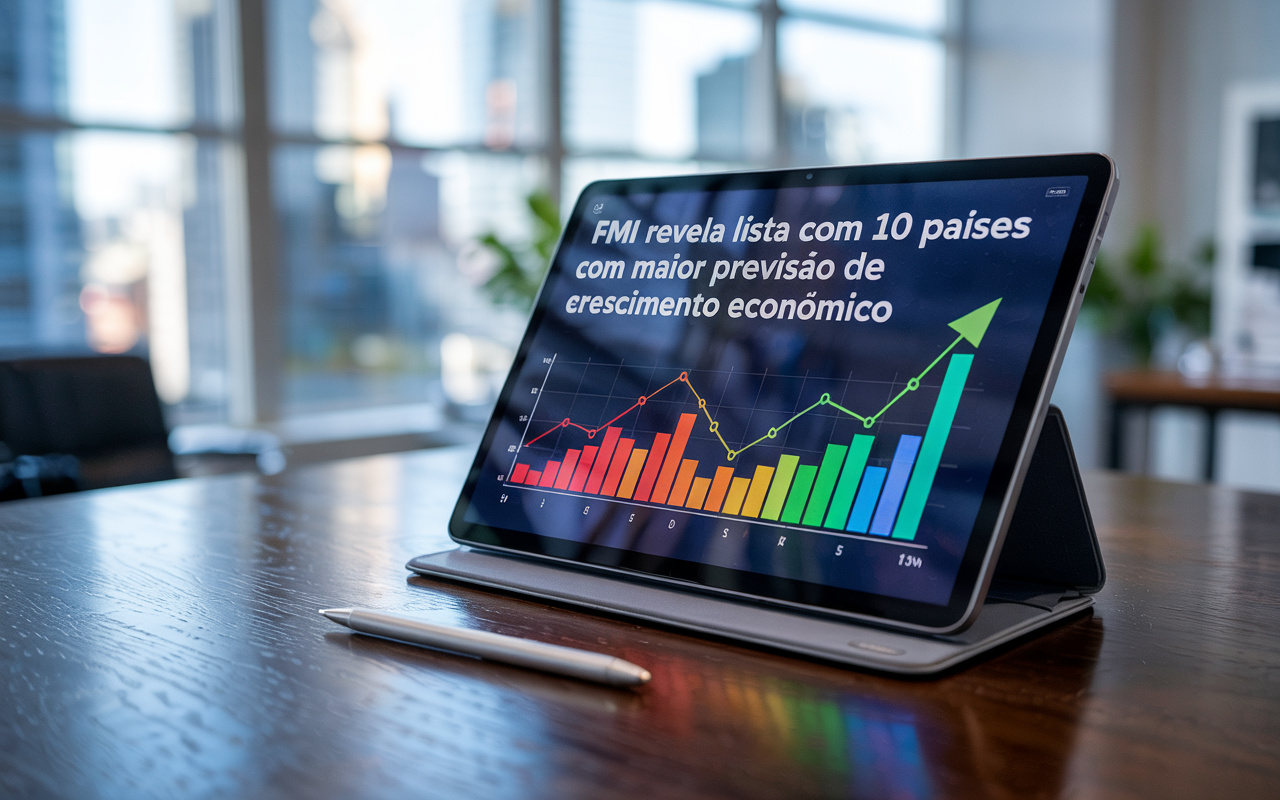


IMF Identifies Countries With Highest Economic Growth Forecasts in 2025; Libya Tops Ranking at 17.3%, Followed by Guyana, Senegal, and Other Emerging Economies.
The International Monetary Fund (IMF) has released new economic projections that place emerging and less developed countries at the forefront of global growth for 2025. The study, featured in the latest edition of the World Economic Outlook (WEO), indicates that several nations in Africa and Asia are expected to record robust advances, supported by strategic investments, economic diversification, and modernization of key sectors.
The forecast for global growth is 2.8% in global GDP, but the countries with the highest economic growth forecasts in 2025 far exceed this average, with rates that can surpass 17% in the case of the leader on the list.
African Leadership in the Growth Ranking
Among the top five positions, four African countries appear with projected performances well above the global average. Libya leads the ranking with an impressive 17.30% growth in GDP, driven by the recovery of the oil sector and economic rebound after years of instability.
-
Neon Blue Glow in Brazilian Waters Captivates Locals and Goes Viral, Unveiling Rare “Sea Fire” Phenomenon

-
Forgotten Map Leads Diver to Shipwreck with Gold, Rare Jewels, and Secrets Hidden for Nearly 350 Years
-
Furong: The 2,000-Year-Old Chinese City Built on a 60-Meter Waterfall Becomes a Global Tourist Phenomenon

-
YouTube Inventor Dubbed “Real-Life Tony Stark” Builds Robotic Legs for Father’s Day, Creating a Wheelchair That Conquers Stairs and Rough Terrain




Immediately behind, Guyana, a South American country that is also part of the group of emerging economies, shows 10.32%, a result of increased oil and gas production alongside infrastructure investment policies.
Senegal ranks third with 8.45%, reflecting advancements in energy, mining, and infrastructure sectors. Rwanda and Guinea, with projections of 7.11% and 7.09% respectively, demonstrate that investing in technology, agriculture, and manufacturing can sustain growth even in smaller economies.
Diversification and Innovation as Drivers of Progress
According to the IMF, a common factor among the countries expected to see economic growth in 2025 is the active pursuit of economic diversification. Investments in sectors such as infrastructure, technological innovation, renewable energy, and manufacturing have proven essential for reducing dependence on commodities and creating resilience against external shocks.
Countries like Bhutan (7.00%), Kyrgyzstan (6.82%), and Tajikistan (6.69%) exemplify how smaller economies can stand out by adopting strategies focused on education, clean energy, and regional trade. Meanwhile, Ethiopia (6.61%) and Nigeria (6.59%) show the importance of economic reforms and infrastructure investment to improve the business environment.
IMF List — Countries With Highest Economic Growth Forecasts in 2025
- Libya – 17.30%
- Guyana – 10.32%
- Senegal – 8.45%
- Rwanda – 7.11%
- Guinea – 7.09%
- Bhutan – 7.00%
- Kyrgyzstan – 6.82%
- Tajikistan – 6.69%
- Ethiopia – 6.61%
- Nigeria – 6.59%
Strategic Sectors and Market Potential
The economic growth in 2025 in these nations is directly linked to strategic sectors. In the case of Libya and Guyana, oil is a key player, but investment in renewable energy is starting to gain traction. Meanwhile, Senegal, Rwanda, and Guinea have bet on infrastructure and industrialization as pillars of development.
In Asia, Bhutan stands out for its use of hydropower as an economic engine, while Kyrgyzstan and Tajikistan leverage their agricultural and mineral potential. Ethiopia and Nigeria, on the other hand, are in the process of modernizing their production chains and expanding their internal consumer markets.
Risks and Challenges in the Global Scenario
Despite the optimism, the IMF warns that the global economic landscape remains vulnerable to external factors such as geopolitical tensions, fluctuations in commodity prices, and climate change. The resilience of these economies will depend on their ability to maintain solid macroeconomic policies, attract sustainable investments, and diversify their revenue sources.
For investors and governments, the IMF list serves as an indicator of where emerging opportunities may arise in the coming years. Attention to the advancement of these markets can create strategic partnerships and expand trade routes.
And you, do you believe that these countries with the highest economic growth forecasts in 2025 will be able to maintain the pace projected by the IMF and transform this momentum into sustainable long-term development?