





 Portuguese
  English
  Spanish
  3 min of reading


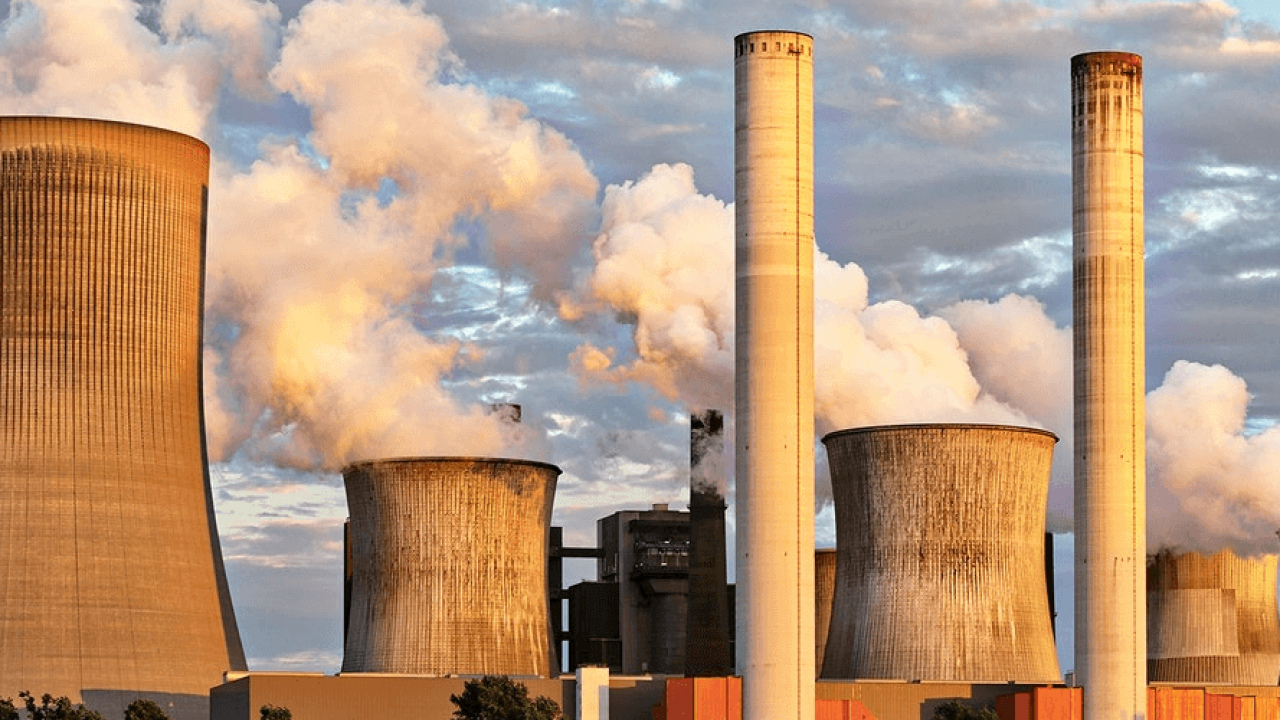
After Various Uncertainties, The Nuclear Source Offers Good Prospects for Brazil in The Coming Years. Last Wednesday, During The Nuclear Legacy, The President of The Brazilian Association for Nuclear Activity Presented The National Expansion Plan and The National Energy Plan, Which Include New Plants and The Addition of Up to 10 GW to The Brazilian Energy Matrix.
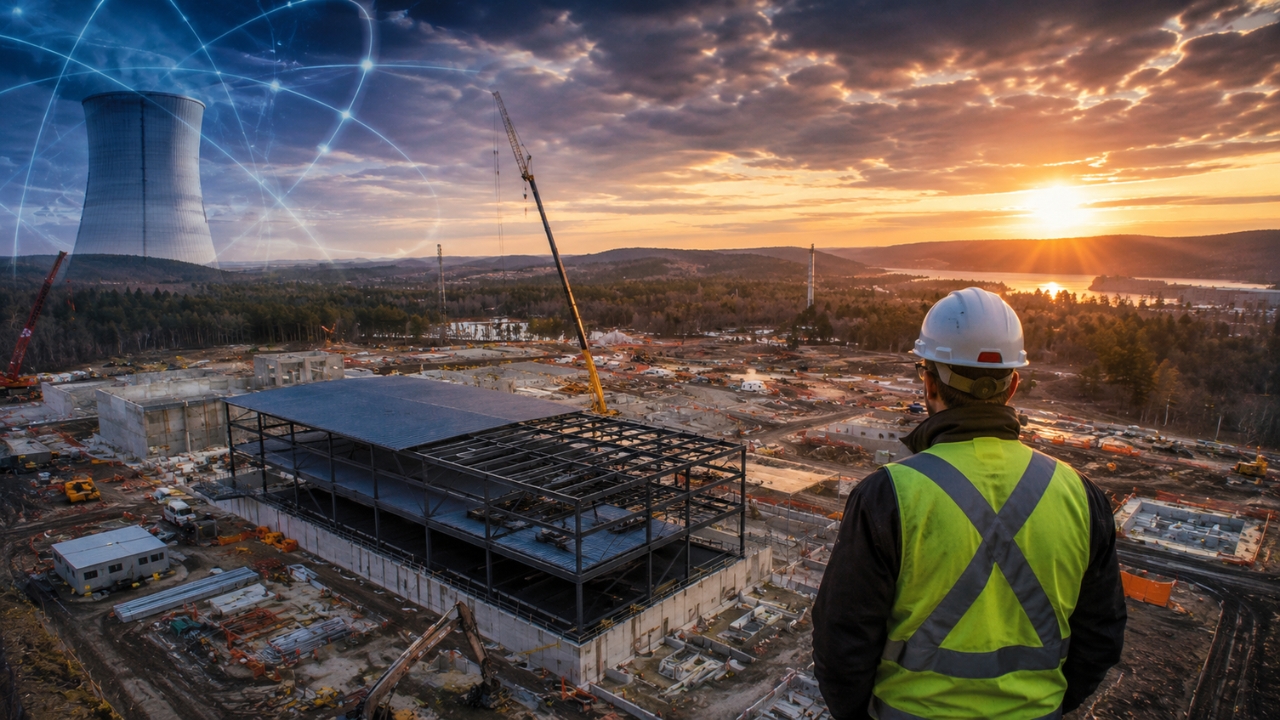
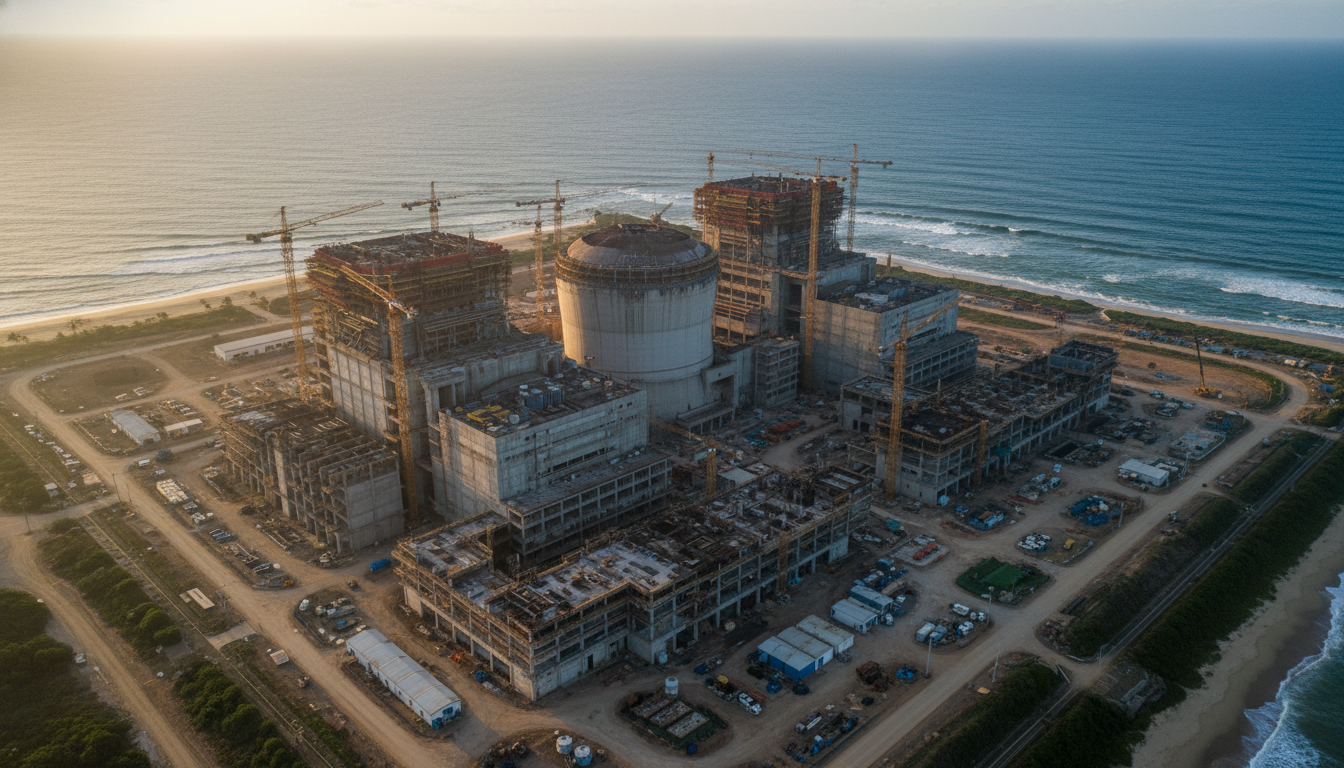
Furthermore, The Topic Discussed at The Event Was The Resumption of The Construction of The Angra 3 Nuclear Power Plant in Rio de Janeiro. Since 2015, The Construction Had Been Halted Due to Lack of Resources from The Federal Government.
Another Point That Brought Good Forecasts Was The Small Modular Reactors or Small Modular Reactors (SMRs), Which Aim to Provide New Horizons for The Brazilian Nuclear Source. At The Event, The President of Abdan Pointed Out The Need for The Santa Quitéria Mine to Come to Life, To Be A New Source of Brazilian Uranium.
The Construction of The Mine Is A Partnership Between The Brazilian Nuclear Industries and Galvani – Fosnor Fertilizantes Fosfatados do Norte-Nordeste S. However, It Is Still in The Licensing Process. In Practice, The Partnership Aims to Explore Uranium and Phosphate, Found in The Itatiaia Deposit in The City of Santa Quitéria.
-
Canada invests more than 2 billion dollars to upgrade an old nuclear laboratory and try to rival the world’s major atomic energy powers.

-
Nuclear company backed by Bill Gates partners with Hyundai for next-generation 345 MW nuclear reactor

-
Russia is sailing all 8 nuclear icebreakers of its fleet simultaneously for the first time in history, as the Arctic freezes two weeks earlier than expected.

-
With 39 years of halted construction and R$1 billion draining annually without generating a single watt, Angra 3 has become a ticking time bomb for Eletronuclear — while China put 20 new reactors into operation in the same period.


During The Event, Leonam Guimarães, Former President of Eletronuclear, Brought Up A Discussion About The Ukrainian Nuclear Power Plant in Zaporizhia. After The Invasion of Russia in The Country, The Command of The Invading Troops Entered The Plant, Which Is in A State of Anxiety.
According to Guimarães, If Any Kind of Incident Occurs at The Plant, It Will Have A Negative Impact on Global Decarbonization Projects.
Moreover, He Also Pointed Out That It Will Be A Big Task If The Source Manages to Maintain Its Current Potential Share in The Global Matrix, About 2%. However, The Increase of This Percentage Will Depend on The Public Acceptance of Nuclear Sources.
New Government Should Have Nuclear Energy as An Important Theme
With The New Energy Additions, The Value May Grow to 5% or 8%. For Guimarães, Brazil Will Not Be Like France, Which Has A Significant Part of Its Matrix Composed of Nuclear Energy, Especially Due to A Decision to Ensure Energy Security.
During The Event, The Former President of The Energy Research Company, Maurício Tolmasquim, Stated That The Entry of Private Capital into The Nuclear Sector Will Be A Delicate Topic That The Government Assuming The Country in 2023 Will Address.
For This, One of The Appointees to Work in The Government Transition Team Noted That Nuclear Projects Have Not Yet Been Developed Due to Lack of Investment, Affecting The Planner’s Vision. Thus, He Believes That Good Planning Is Necessary So That The Project Is Not Halted Due to Lack of Funds.
Additionally, He Also Mentioned Some Obstacles That Nuclear Plants Face, Such as Construction Time, Which Is Quite Creative for The Planner; In Addition to The Price of Megawatt/hour, Which Tends to Be Higher Than Other Energy Sources.
Finally, The SMRs Were Remembered by Him As Something That Can Be Discontinued, But Still Requires More Study. Therefore, With This New Technology, Brazil Would Not Start from Scratch, as It Would Utilize The Knowledge Gained from The Angra Nuclear Plant.








Be the first to react!