






 Portuguese
  Spanish
  5 min of reading
  0 comments


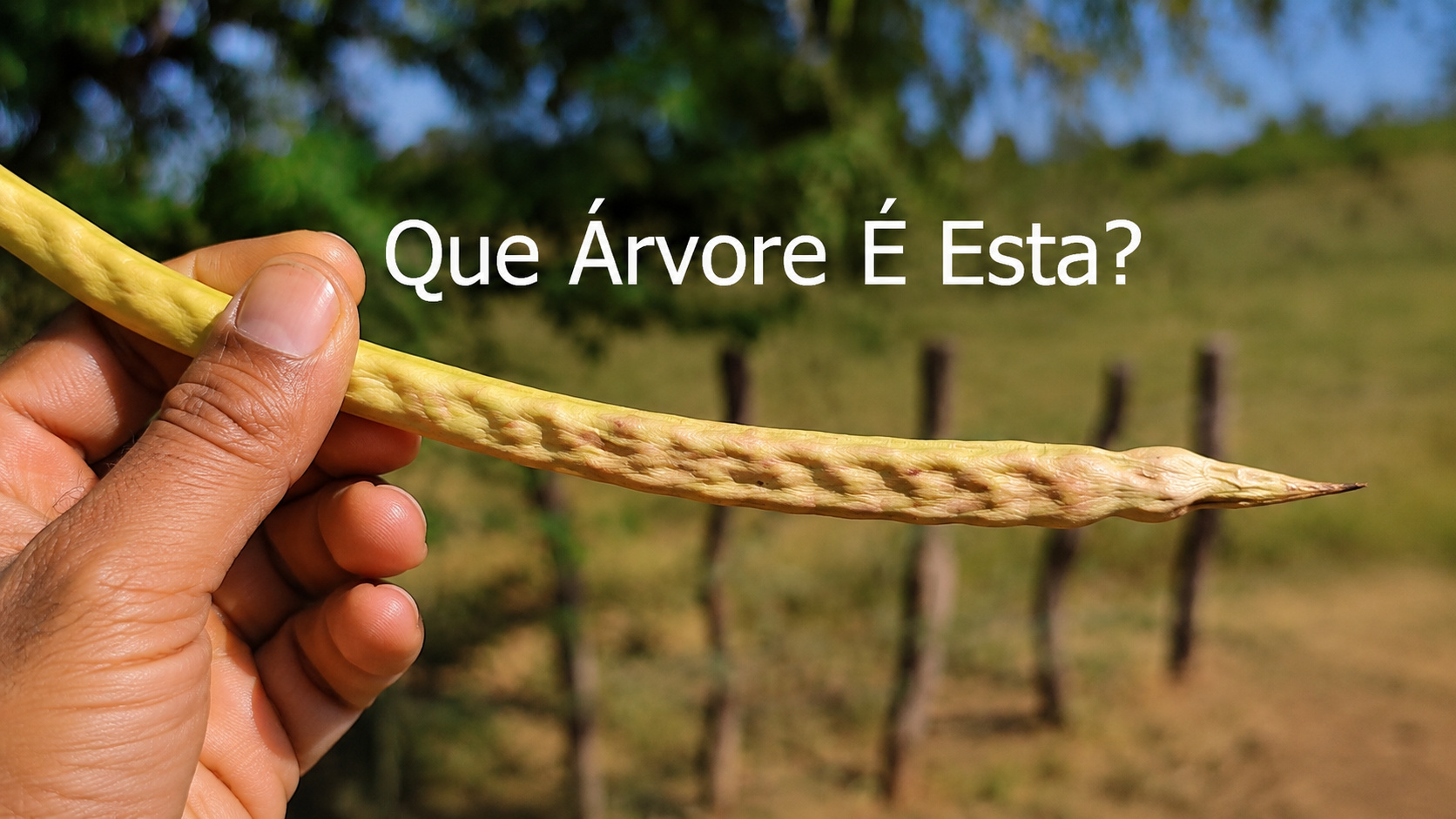
Algaroba, introduced in the semi-arid as a forage solution, advanced over the Caatinga, reduces native vegetation, and concerns researchers due to environmental impacts.
For decades, algaroba was presented as one of the most promising answers to the challenges of the Brazilian semi-arid. Resistant to drought, capable of growing in poor soils, and producing pods used in animal feed, the species gained space in plant introduction programs in the Northeast and became a symbol of climate resistance. According to Embrapa, Prosopis juliflora arrived in Brazil in 1942, in Serra Talhada, Pernambuco, with seeds coming from Piura, Peru, and then expanded to other states through planting and natural regeneration.
What seemed like a solution adapted to the semi-arid has, over time, also come to be seen as a growing ecological problem. Research published in Acta Botanica Brasilica shows that the invasion of algaroba alters the floristic composition and structure of the Caatinga vegetation, reducing the presence of native species and favoring the formation of areas dominated almost exclusively by this exotic plant.
How algaroba arrived in the Northeast and spread through the semi-arid
According to Embrapa, algaroba is native to dry regions of Mexico, Central America, and northern South America, including Peru, Ecuador, Colombia, and Venezuela. In Brazil, its introduction officially began in 1942, in Pernambuco, and later there were new records of the species entering Angicos, Rio Grande do Norte, in 1946 and 1948. From there, the tree advanced through the semi-arid both through encouraged plantings and natural dispersion.
-
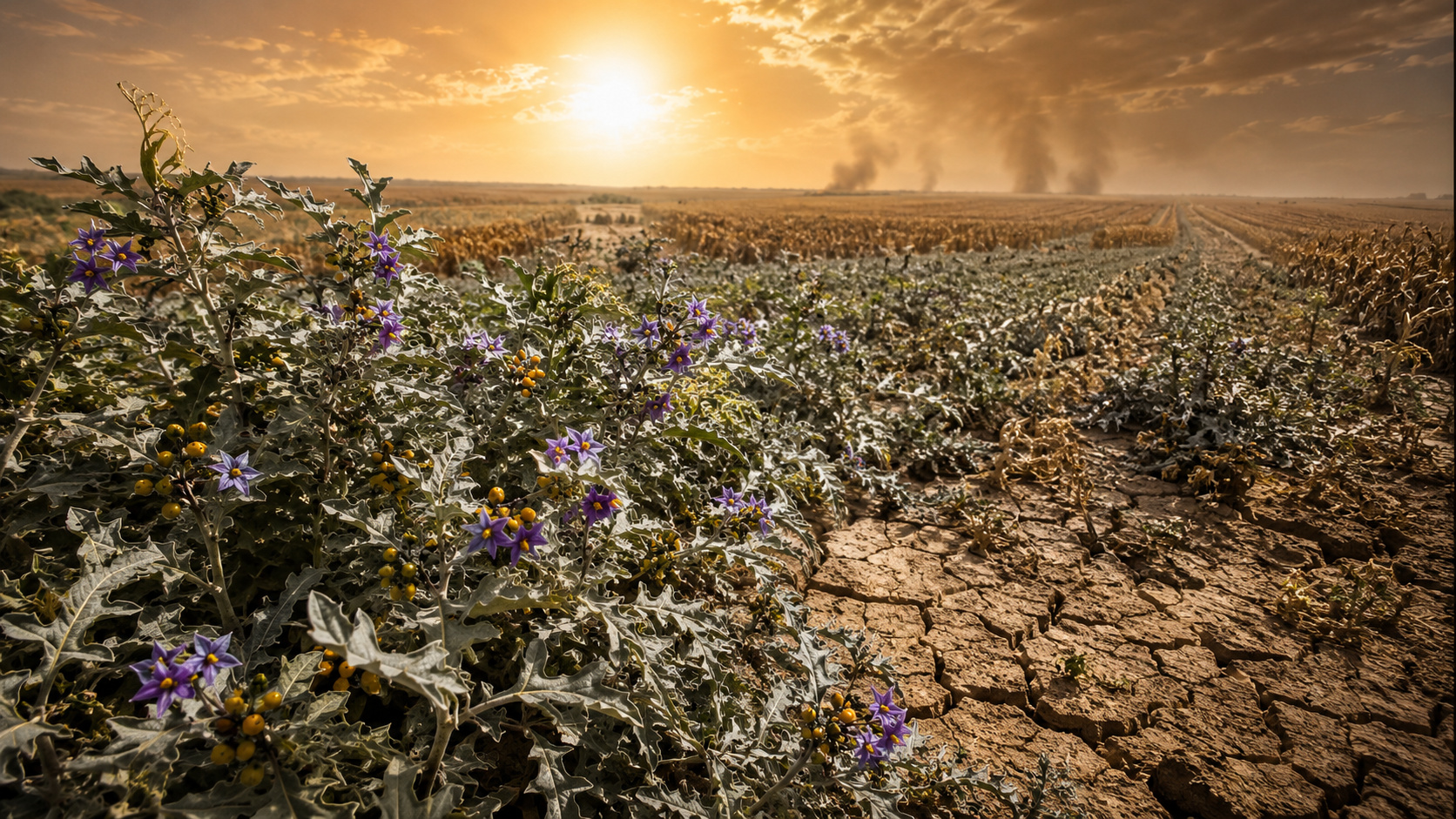
Invasive weed that withstands extreme heat advances with climate change, threatens crops on several continents, and raises a global alert about a silent plant capable of dominating soils, suffocating native species, and reshaping entire ecosystems.

-
While other coffees escape the American tariff hike, Brazilian instant coffee is excluded, raising an alert in the sector and may become up to 37.5% more expensive in the United States.
-
Degraded lands could become São Paulo’s new asset to expand planted forests, strengthen wood, cellulose, and biomaterials, as well as keep the state competitive in the international market.
-
Iran and Russia announce that they are working on creating a grain exchange for BRICS countries, with support from Moscow, one of the world’s largest grain producers, and call on central banks to simplify payments to boost agricultural trade.



The species gained prestige because it combined valuable characteristics for the reality of the dry Northeast. Embrapa highlights the use of algaroba for forage, wood, and agroforestry systems, in addition to its ability to withstand adverse environmental conditions.
This helped transform the plant into an economic alternative for rural producers in areas marked by prolonged drought.
The problem began when the expansion was no longer restricted to the desired areas. Adapted to the semi-arid and with a high capacity for regeneration, algaroba began to occupy environments beyond the originally planted locations, paving the way for a large-scale biological invasion process.
Why the Algaroba is a Major Concern within the Caatinga
The main concern of researchers is the ability of Prosopis juliflora to form dense clusters and alter the structure of native vegetation. According to Acta Botanica Brasilica, the invasion of the species impacts phytodiversity and the organization of the shrub-tree layer of the Caatinga, both among adult plants and in natural regeneration.
In practice, this means that invaded areas no longer exhibit the typical diversity of the Caatinga and instead concentrate the dominance of a single exotic species.
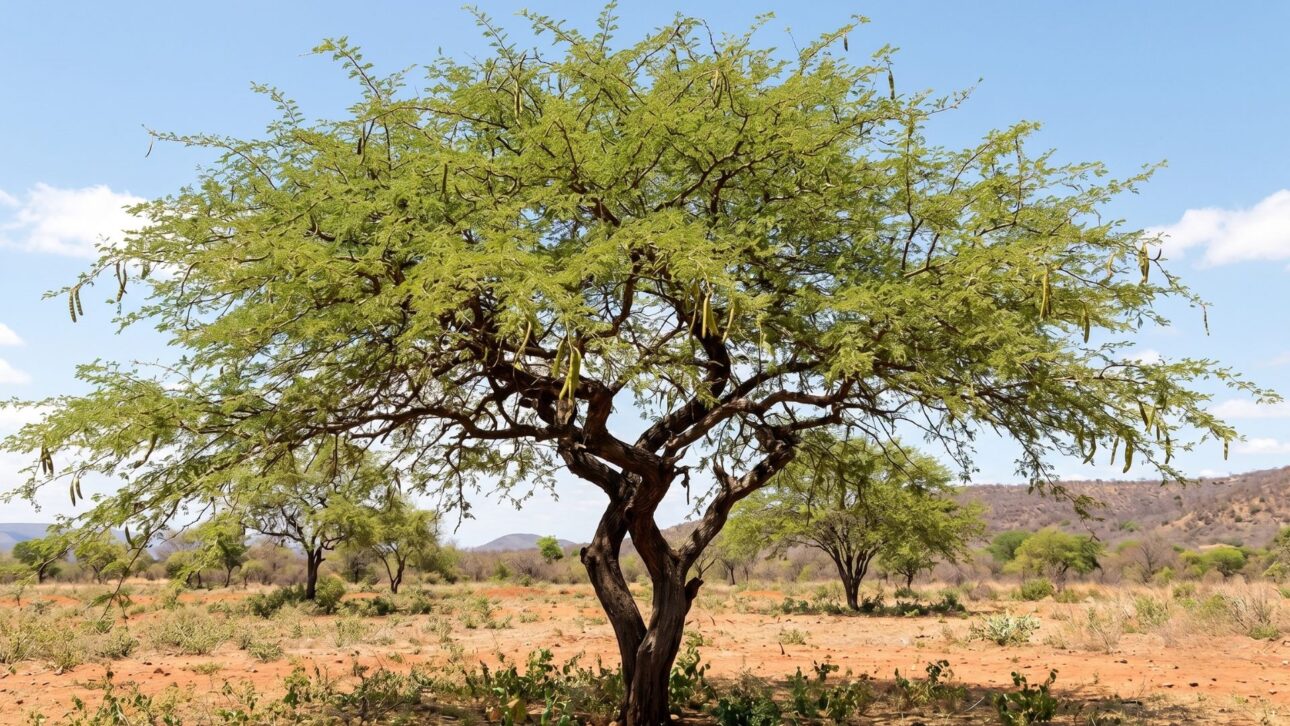
This process reduces space, light, and resources available for native plants, altering the local ecological dynamics and compromising the balance of the biome.
This advance is especially sensitive because the Caatinga already faces strong pressure from deforestation, fragmentation, and environmental degradation. When an invasive species spreads forcefully in this context, it exacerbates an already serious problem and makes it even more difficult to recover the original vegetation.
What Happens When the Algaroba Dominates an Area of the Caatinga
When the Algaroba establishes itself intensely, the landscape changes. Instead of a mosaic of native species adapted to the semi-arid, there are vegetation patches dominated almost entirely by Prosopis juliflora.
According to Acta Botanica Brasilica, this invasion directly interferes with the composition and structure of the plant community, reducing floristic diversity and altering the regeneration pattern of the Caatinga.
The impacts are not limited to flora. The loss of plant diversity also tends to affect the fauna that depends on native species for shelter, food, and reproduction. Even when the scientific text focuses on vegetation, the ecological implication is greater, because the simplification of the landscape usually affects the entire biological network associated with the environment.

Another factor that reinforces the expansion of the mesquite is the ease of dispersion. In regions of extensive livestock farming, the consumption of pods by animals helps spread seeds over long distances, accelerating the colonization of new areas and making control difficult. This combination of climatic adaptation, economic use, and high dispersal capacity has made the species especially aggressive in the semi-arid region.
Why the mesquite is still valued even though it is invasive
The discussion about the mesquite is not simple because the species continues to offer real economic utilities. According to Embrapa, the tree has multiple uses in the semi-arid region and can provide fodder, wood, and other useful resources to rural producers. This characteristic helps explain why it is still defended by some farmers and ranchers.
This duality makes the case more complex than that of other economically less useful invasive species. The same plant that helps during drought periods and provides food for animals also advances over natural areas and threatens native vegetation. The conflict between productive value and environmental cost is at the center of the debate.
It is precisely this ambiguity that has caused the mesquite to no longer be seen only as an ally of the semi-arid region and to also be treated as a species that requires careful management and permanent monitoring.
Control of the mesquite has become an environmental challenge in the Caatinga
In light of the species’ advancement, the control of the mesquite has become a central theme for researchers and managers in the semi-arid region.
According to Acta Botanica Brasilica, the effects of the invasion on the structure of native vegetation indicate that the problem is neither isolated nor temporary, but part of an ecological transformation process that could deepen if not properly managed.

At the same time, Embrapa shows that the species is deeply rooted in the productive history of the semi-arid region, which complicates simple responses. It is not just about eradicating a plant, but dealing with a tree that has been encouraged for decades and still holds value for part of the rural sector.
The challenge, therefore, is to find strategies that contain the expansion of the mesquite over sensitive areas of the Caatinga without ignoring the economic reality of the countryside. The case shows how an environmentally promising solution can generate unexpected consequences when introduced outside its natural environment and finds ideal conditions to spread.








Be the first to react!