Portuguese
  Spanish


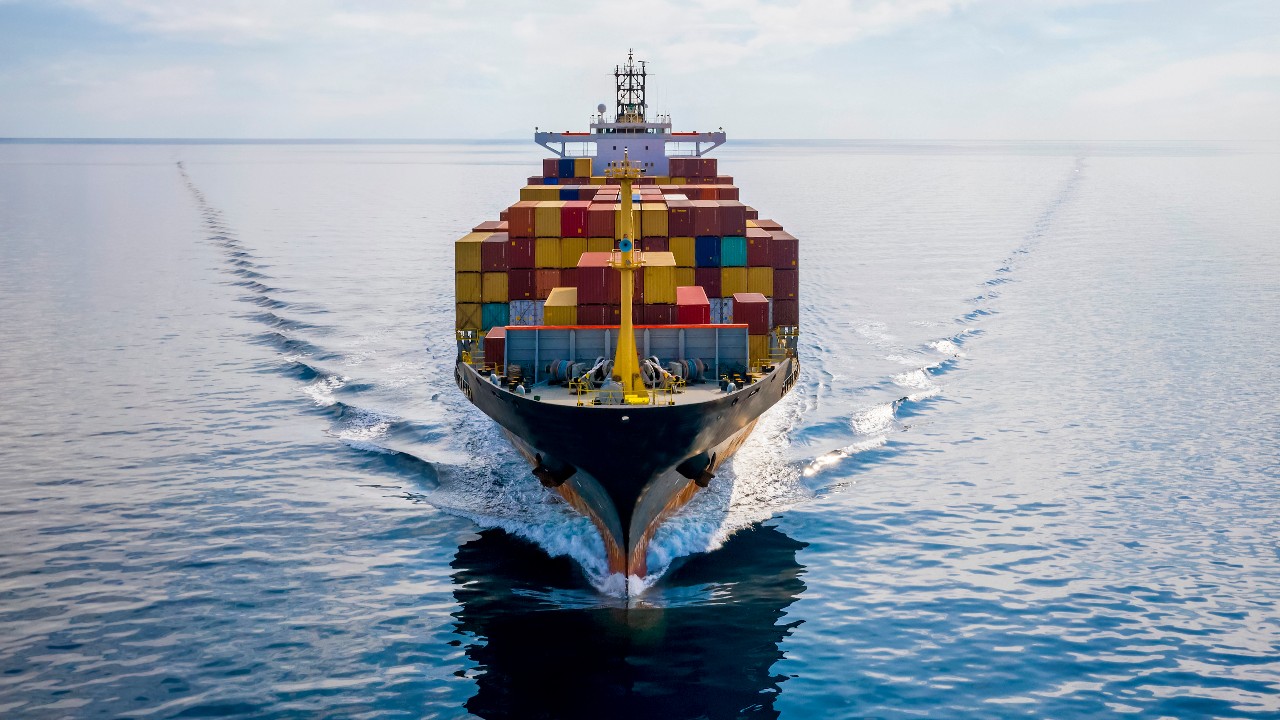

We All Know the Importance and Complexity of the Import Business and the Need for All Stages of the Business in Maritime Freight to Function Normally.
Maritime freight, which is not only the most used but also involves various stages before reaching the final destination, is one of the essential moments when bringing this product into the country. Given the necessity of the entire system, let’s discuss the advantages of using water transport and the fees and surcharges that apply to it.
Temporary Admission: Who Can Use This Special Regime? This special regime offers some benefits for those who can take advantage of it, such as the suspension of import tax or a new calculation based on the duration of the goods in Brazil.
It is important to understand who can use the system, given the benefits that can be perceived, such as: The company responsible for the delivery or logistics of the goods; public health agencies or entities; Event sponsor (the person who will use the asset). However, not all imported goods mentioned above will be subject to the jurisdiction of the mission.
-
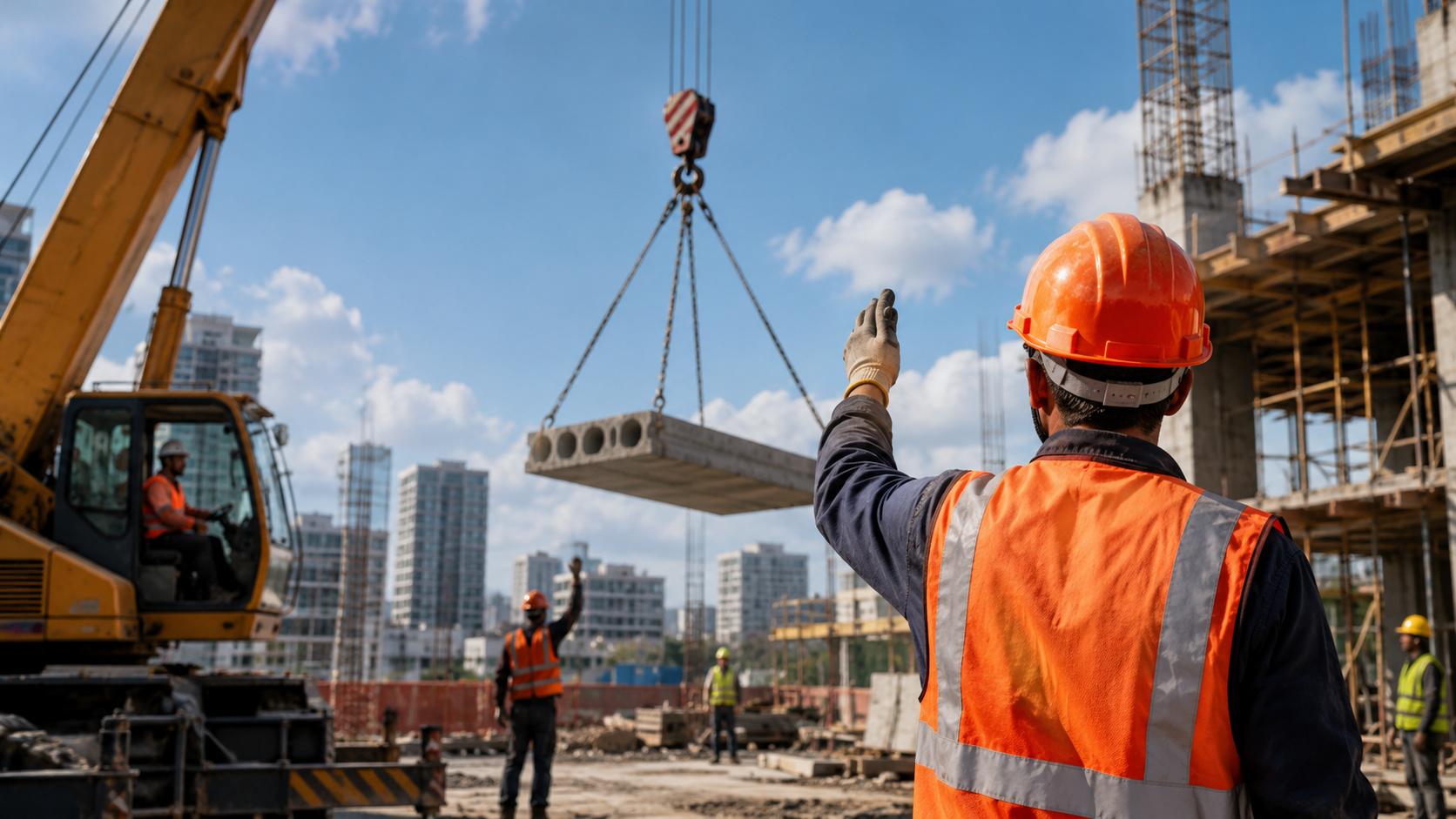
Why can the crane operator only obey the correct signalman on the construction site: among dozens of workers, a hand raised by the wrong person can confuse the maneuver and turn a load of tons into an immediate risk.

-
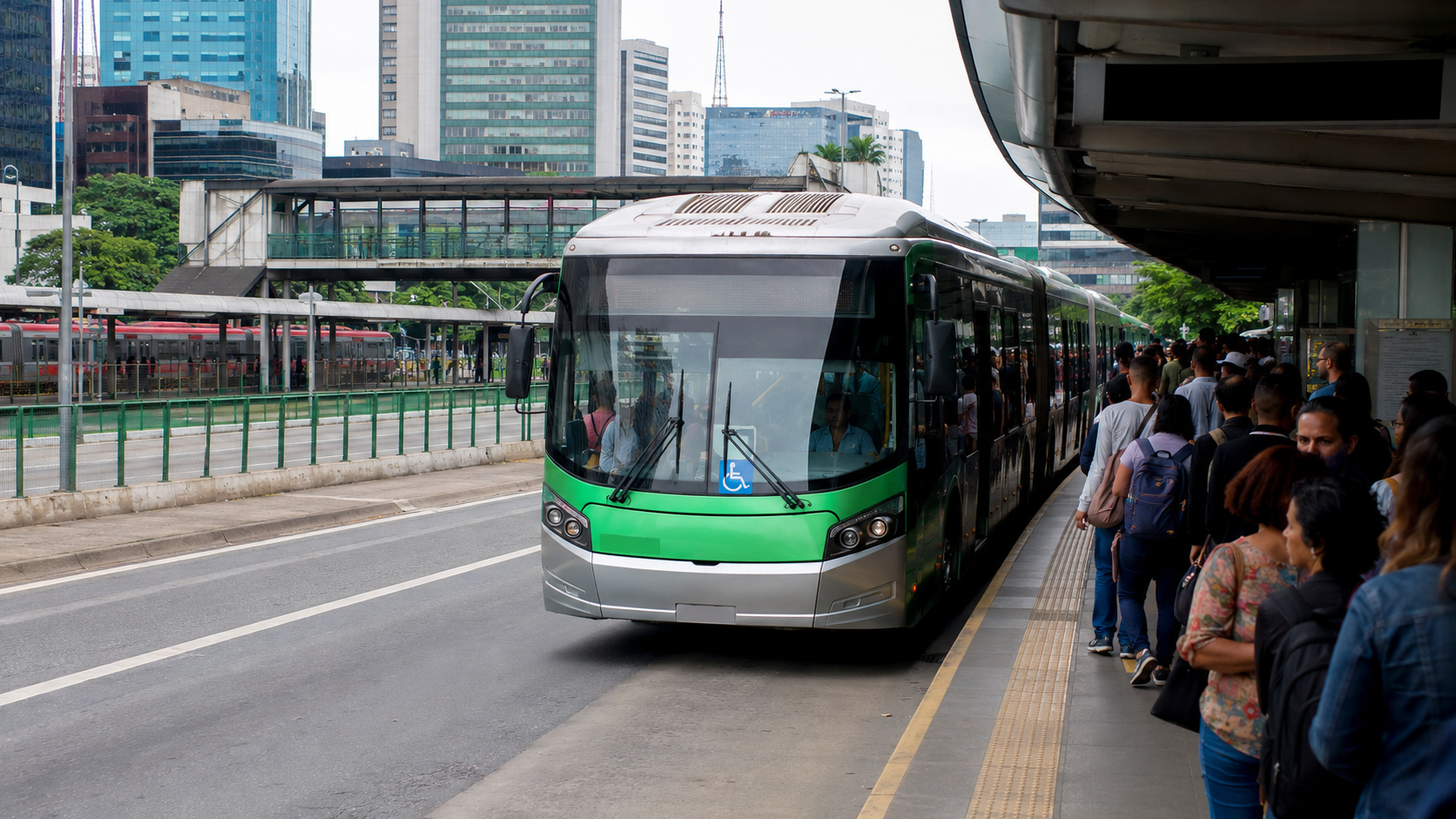
What changes with the new public transportation rules that can reduce pressure on fares and pave the way for zero fare in Brazil?
-
Three Chinese companies manufacture more than 96% of the world’s dry cargo containers and 100% of refrigerated ones, in a dominance built over 40 years that has made it almost impossible for the West to compete in this market.

-
Argentina confirms Belgian giant to lead strategic Paraná River waterway and promises to reduce logistical costs on one of South America’s most important routes

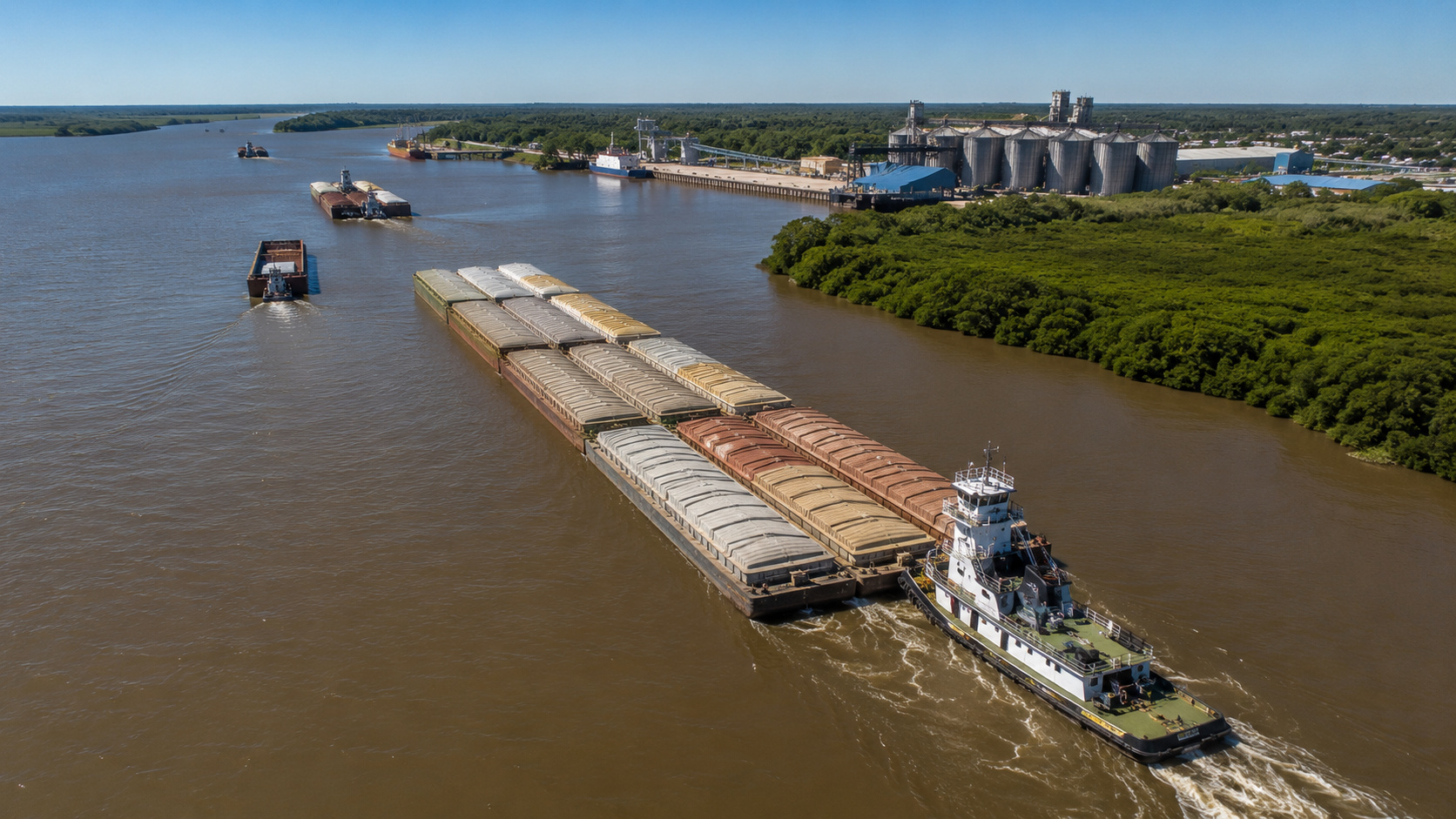
Maritime Transport
As mentioned earlier, maritime transport is one of the many methods of water transport that ships conduct across oceans or seas, and it is indeed the most used cargo transport method in Brazil. Just like air freight, maritime freight can also cover long distances, but it is not limited by the quantity and type of goods, and the cost is relatively low. Additionally, it can reach areas that are difficult to access by other means.
The main disadvantages of maritime transport involve the bureaucracy involved in transportation and the travel time, considering the slowness of delivery. Regardless of the mode you choose for your operation, there is a cost for this transport, called freight. There are three categories for maritime freight, depending on the timing of payment. They are:
Prepaid Freight – In this modality, the freight will be paid at the time of loading the cargo.
Freight Payable at Destination – As the name suggests, this freight must be paid upon arrival of the products or at the time of picking them up.
Freight to Pay – Unlike the two mentioned above, in this category, payment does not need to be made at the time of loading or upon arrival of the goods at their destination; therefore, it can be paid anywhere.
In addition to these methods, maritime freight can also consist of seven types of fees and surcharges, namely: heavy cargo fee, oversized cargo fee, exchange rate adjustment factor, ad valorem fee, fuel surcharge, congestion fee, and port surcharge.