Portuguese
  Spanish


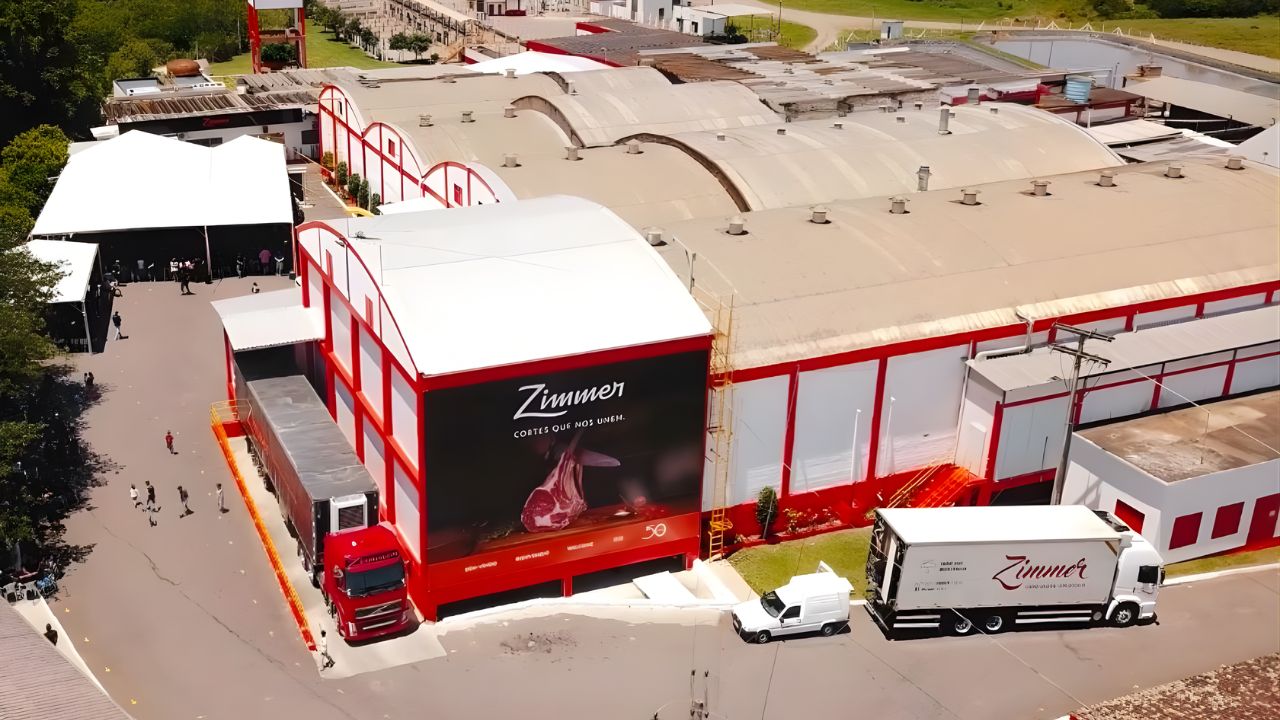


The Zimmer Slaughterhouse Filed for Bankruptcy Protection in RS, Claiming Debts of R$ 75 Million. The Company Seeks Financial Restructuring and Job Preservation.
On the last Monday, October 27, 2025, the Zimmer Slaughterhouse filed for bankruptcy protection in the Caxias do Sul Court (RS).
The request occurs amidst debts totaling around R$ 75 million, according to the company.
The measure was motivated by a combination of factors: rising raw material costs, shrinking profit margins, and difficulty accessing credit.
-
Major Company Shuts Down 70-Year-Old Factory in Brazil, Relocating Production and Impacting Over 100 Families

-
Toyota Shuts Down Brazilian Plant After Producing Over 1 Million Vehicles, Plans Special Destination for Final Corolla Produced Following $2.1 Billion Investment and Expansion.
-
Shoe Factories Close, Leaving 528 Workers Jobless in Sudden Turn of Events Affecting Hundreds of Families After Decades of Operation.
-
Chinese Automaker Plans Second Mega Factory in Brazil with $2 Billion Investment to Produce Electric and Hybrid Cars in Strategic Location.


Headquartered in Parobé and with a branch in Capão do Leão, Rio Grande do Sul, the company has been in the beef processing business for over 50 years.
Zimmer Slaughterhouse Requests Bankruptcy Protection
The Zimmer Slaughterhouse concentrates about 90% of its production in the gaucho market; approximately 7% of its sales occur in other states, and around 3% are exports.
In addition, the company is qualified to export to over 20 countries, including Chile, Paraguay, the United Arab Emirates, and Egypt, and holds certifications such as Angus and halal — competitive differentiators in the sector.
Factors That Led to the Bankruptcy Protection Request
According to the company, the “rise in raw material costs, the economic downturn that reduced profit margins, the increase in interest rates, and the difficulty in accessing credit” were determinants for the measure.
The decision also involves a restructuring of the workforce: just a few days before the request, the company announced the dismissal of 95 employees, reducing the workforce to around 325 collaborators across both units.
The bankruptcy protection request aims to “ensure the continuity of operations, preserve jobs, and maintain income generation.”
What Does “Bankruptcy Protection” Mean and How Does It Apply Here
Bankruptcy protection is the legal mechanism through which a financially distressed company seeks reorganization under the protection of the judiciary to renegotiate debts, maintain operations, and avoid bankruptcy.
In the case of the Zimmer Slaughterhouse, the process was filed in the Regional Business Court of Caxias do Sul (RS) with the aim of preserving operations and facilitating financial restructuring.
With this, the company is under a special negotiation regime with creditors and, in parallel, is trying to restore the economic viability of its activities.
Implications for the Market and Employees
For employees, bankruptcy protection opens up the possibility of maintaining jobs, even in a scenario of adjustment. The slaughterhouse emphasized that both units will continue to operate normally and that “no new layoffs are planned.”
For the beef market in Rio Grande do Sul, the episode reveals the vulnerability of companies in the face of high costs, restricted credit, and tight margins — even those with decades of operation and export channels.
Furthermore, the bankruptcy protection request from the Zimmer Slaughterhouse may impact suppliers, producers that supply the company, and the meat ecosystem in the state, requiring careful monitoring.
Next Steps in the Process
Now that the bankruptcy protection request has been filed, it will depend on the court’s approval to move forward.
The company is being advised by the law firm MSC Advogados in partnership with the consulting firm Tarvos Partners, which specializes in corporate restructuring.
Negotiations with creditors and the presentation of a recovery plan that demonstrates the company’s viability are planned.
If successful, the restructuring may ensure the continuity of operations, maintain jobs, and preserve the Zimmer Slaughterhouse’s presence in the market. Otherwise, there is a risk of worsening the crisis.
The bankruptcy protection request from the Zimmer Slaughterhouse highlights how traditional companies in the agribusiness sector are not immune to the effects of high costs, high interest rates, and credit restrictions.
Additionally, the operation signals a warning for the sector: even with exports and differentiated certifications, financial sustainability can become fragile.
Finally, for the local community and the farmers supplying the slaughterhouse, the outcome can have a direct impact — whether on jobs, income, or business continuity.
With information from Agro Estadão.