Portuguese
  Spanish


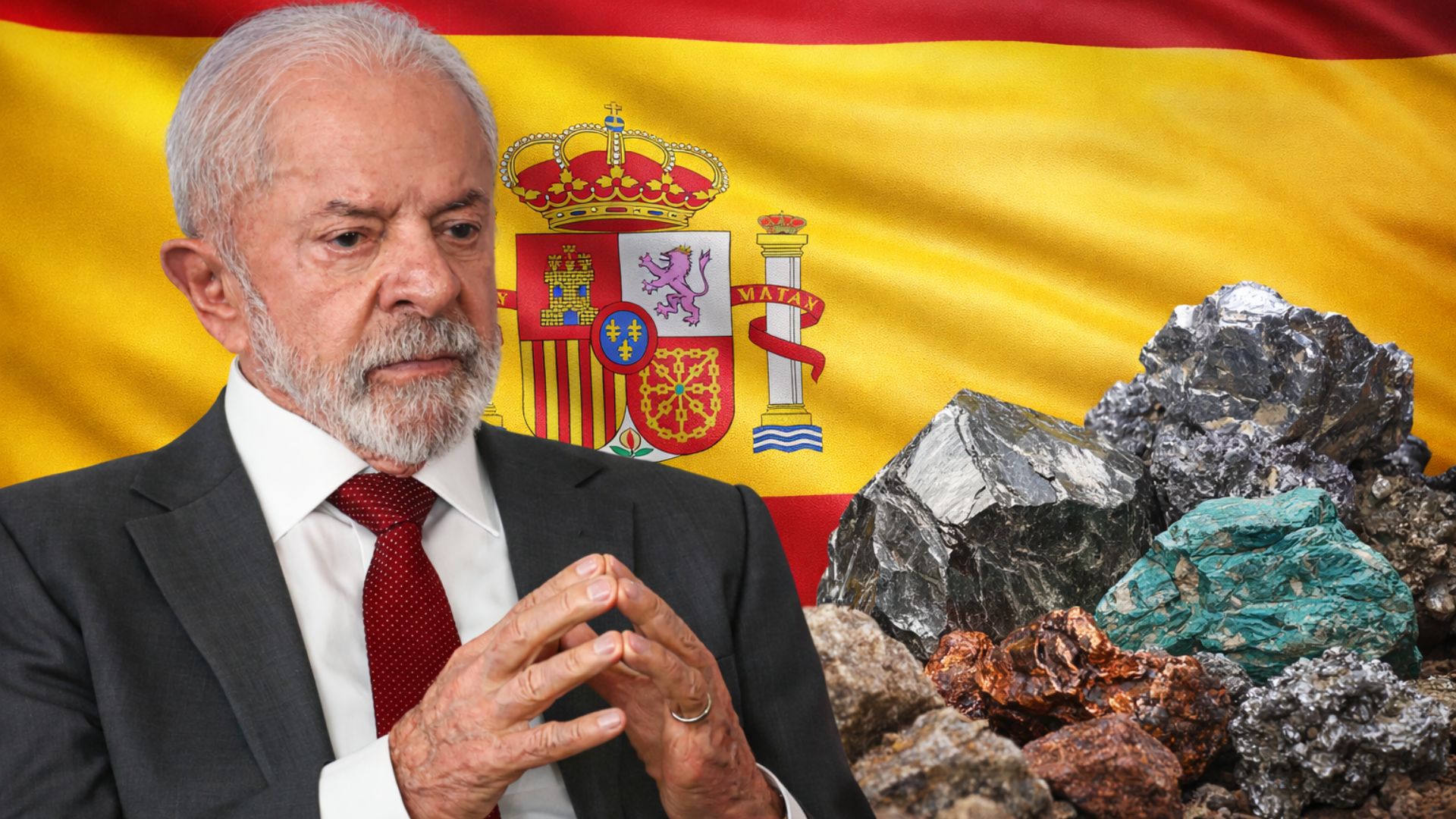

Understand how the Brazilian Government advances with Spain in international cooperation for critical minerals, expanding investments, technological innovation, and strengthening the national industry in the new global economic dynamics.
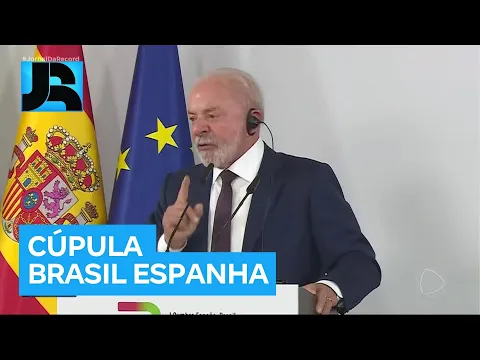
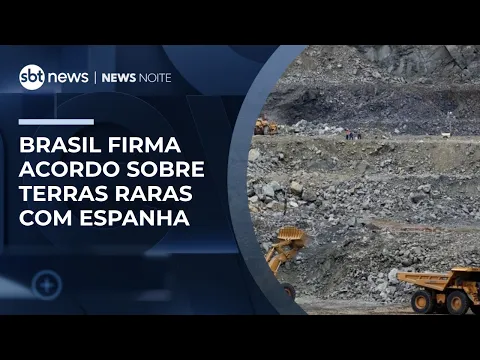
The Brazilian Government took a decisive step by signing a strategic agreement with Spain aimed at cooperation in critical minerals, with a direct focus on attracting investments and strengthening the national production chain. According to the MME, the signing took place on Friday, April 17, during an international agenda with the presence of President Luiz Inácio Lula da Silva and Minister of Mines and Energy, Alexandre Silveira.
The memorandum of understanding was formalized after Brazil’s participation in the I Brazil-Spain Summit and Global Progressive Mobilization. The initiative establishes the basis for expanding bilateral cooperation in areas considered central to the future of the global economy, such as technological innovation, sustainability, and industrialization.
In practice, the agreement positions Brazil as a strategic partner in an increasingly competitive market, where access to essential mineral resources defines the capacity for economic and technological growth.
-
Brazilian Startup Turns Coffee Grounds into Plant-Based Leather, Cutting Water Use by Over 50 Times for High-Impact Sustainable Fashion

-
Eco Invest Auction Aims to Unlock $10 Billion in Investments, Focusing on Green Fertilizers, Critical Minerals, Batteries, and AI for Clean Industry in Brazil

-
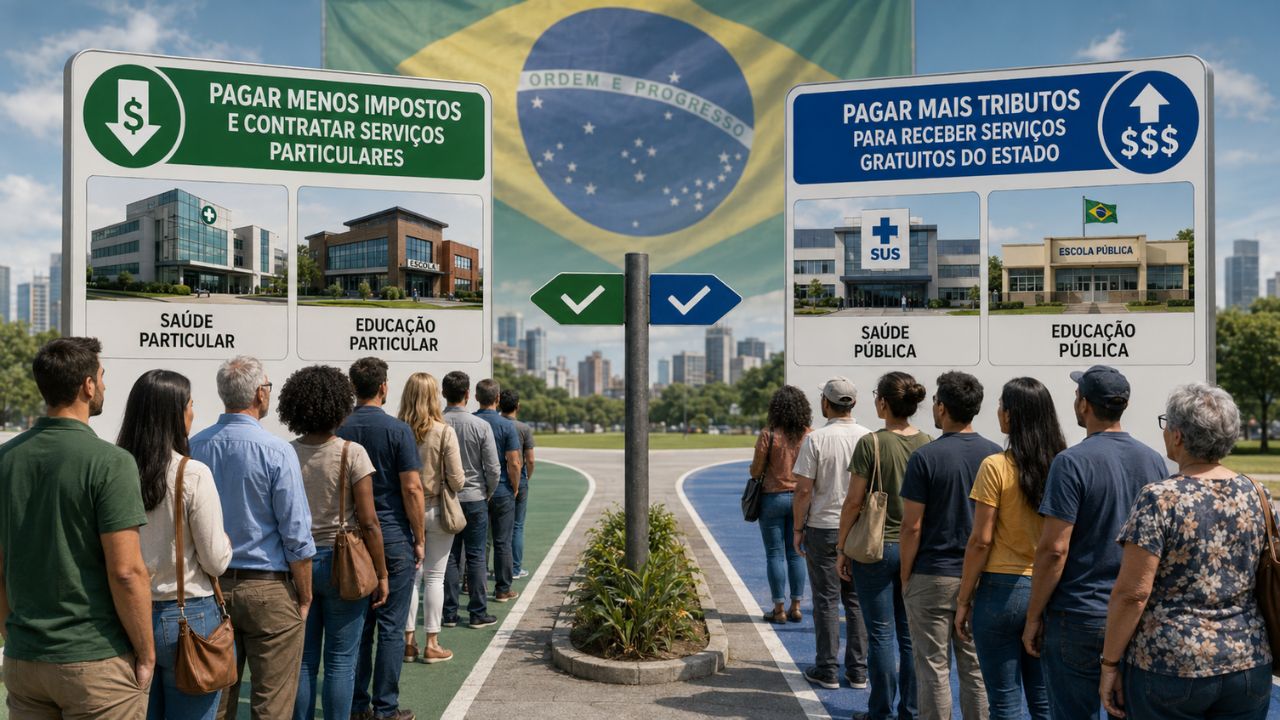
Half of Brazilians Prefer Lower Taxes with Private Health and Education, While 44% Opt for Higher Taxes for State-Provided Services, Datafolha Survey Reveals

-
Brazil’s Most Expensive Toll Rises to R$ 40.60 on Route from São Paulo to the Coast, Nearly Matching Bus Fare to Santos



Critical minerals gain prominence in the new global economy
Critical minerals are at the center of the industrial and energy transformations shaping the global landscape. Elements such as lithium, nickel, cobalt, and rare earths are fundamental for the production of batteries, electric vehicles, wind turbines, and solar energy systems.
The Brazilian Government understands that these resources are strategic for ensuring international competitiveness. By signing a strategic agreement with Spain, the country enhances its capacity to participate in global value chains, going beyond mere raw material exports.
The global demand for these minerals is growing rapidly, driven by the energy transition and the digitalization of the economy. This opens up space for new investments and industrial opportunities, especially in countries with significant mineral potential, such as Brazil.
Brazilian Government and Spain expand technological and industrial cooperation

One of the central points of the strategic agreement established between the Brazilian Government and Spain is cooperation in technology and innovation. The partnership aims for the joint development of advanced solutions, including the use of artificial intelligence in geological analysis and supply chain management.
This technological exchange can transform the way critical minerals are explored and processed in Brazil. Among the main expected gains are:
- Greater accuracy in identifying mineral reserves
- Reduction of operational costs
- Increase in productive efficiency
- Strengthening of sustainability in operations
Furthermore, the exchange of knowledge between the countries helps to accelerate the modernization of the Brazilian mineral sector, making it more competitive and aligned with global demands.
The attraction of investments in innovation is also a key factor to ensure that Brazil advances in industrialization and value addition to its natural resources.
Critical minerals production chain enters the center of the economic strategy
The Brazilian Government has made it clear that the goal is not only to extract resources but to develop the entire production chain of critical minerals. The strategic agreement with Spain reinforces this vision by including stages such as refining, recycling, and industrial transformation.
This movement represents an important change in economic policy, as it seeks to increase the added value of national production. Instead of merely exporting raw materials, the country is now investing in the production of components and technologies.
Among the expected possible impacts are:
- Creation of skilled jobs
- Increase in industrial income
- Expansion of the technological base
- Greater attraction of foreign investments
Spain, with its experience in innovation and sustainability, emerges as a strategic partner in this process, contributing to the strengthening of the Brazilian industry.
Sustainability and governance enter as pillars of the strategic agreement
The strategic agreement also establishes clear guidelines to ensure that the exploration of critical minerals occurs sustainably. The Brazilian Government and Spain emphasized the importance of aligning economic growth with environmental responsibility.
Among the planned initiatives are actions aimed at:
- Mining with lower environmental impact
- Incentive to the circular economy
- Traceability of the production chain
- Reduction of carbon emissions
Additionally, the agreement provides for cooperation in public policies and governance, including the exchange of experiences in regulation and monitoring of the sector.
Sustainability is a determining factor in attracting investments, especially in a global scenario where environmental, social, and governance criteria are becoming increasingly relevant.
Attraction of investments and strengthening of international relations
The attraction of investments is one of the main objectives of the Brazilian government in establishing this strategic agreement with Spain. The partnership creates a more favorable environment for the entry of foreign capital by offering greater security and opportunities for technological cooperation.
The document outlines initiatives aimed at:
- Development of technical capacities
- Monitoring and evaluation of projects
- Encouragement of digital innovation
- Integration of production chains
These actions increase the confidence of international investors and expand the growth potential of the Brazilian mineral sector.
At the same time, the rapprochement with Spain strengthens diplomatic relations and paves the way for new agreements in strategic areas, consolidating Brazil as a relevant partner in the global scenario.
Brazil seeks global protagonism with critical minerals and new industrial policy
The Brazilian government is building a long-term strategy to position the country as a leader in the new economy based on critical minerals. The strategic agreement with Spain is one of the pillars of this policy, which combines industrial development, innovation, and sustainability.
Brazil has important competitive advantages, such as the diversity of mineral resources and the potential for productive expansion. With the arrival of new investments, the country can accelerate its industrial transformation and increase its participation in global supply chains.
Moreover, secure access to critical minerals is considered essential for the energy transition, economic security, and sustainable development, both in Brazil and in Spain.
What changes for Brazil with the advancement of this international partnership
The signing of the memorandum on April 17 marks more than a diplomatic commitment. It signals a structural change in how the Brazilian Government views the role of critical minerals in the economy.
By betting on a strategic agreement with Spain, the country expands its growth opportunities, strengthens its industry, and positions itself more competitively in the international arena.
With a focus on innovation, sustainability, and attracting investments, Brazil is moving to transform its natural resources into high-value strategic assets. This movement could define the country’s role in the coming decades, in an increasingly technology and clean energy-dependent world.