






 Portuguese
  Spanish


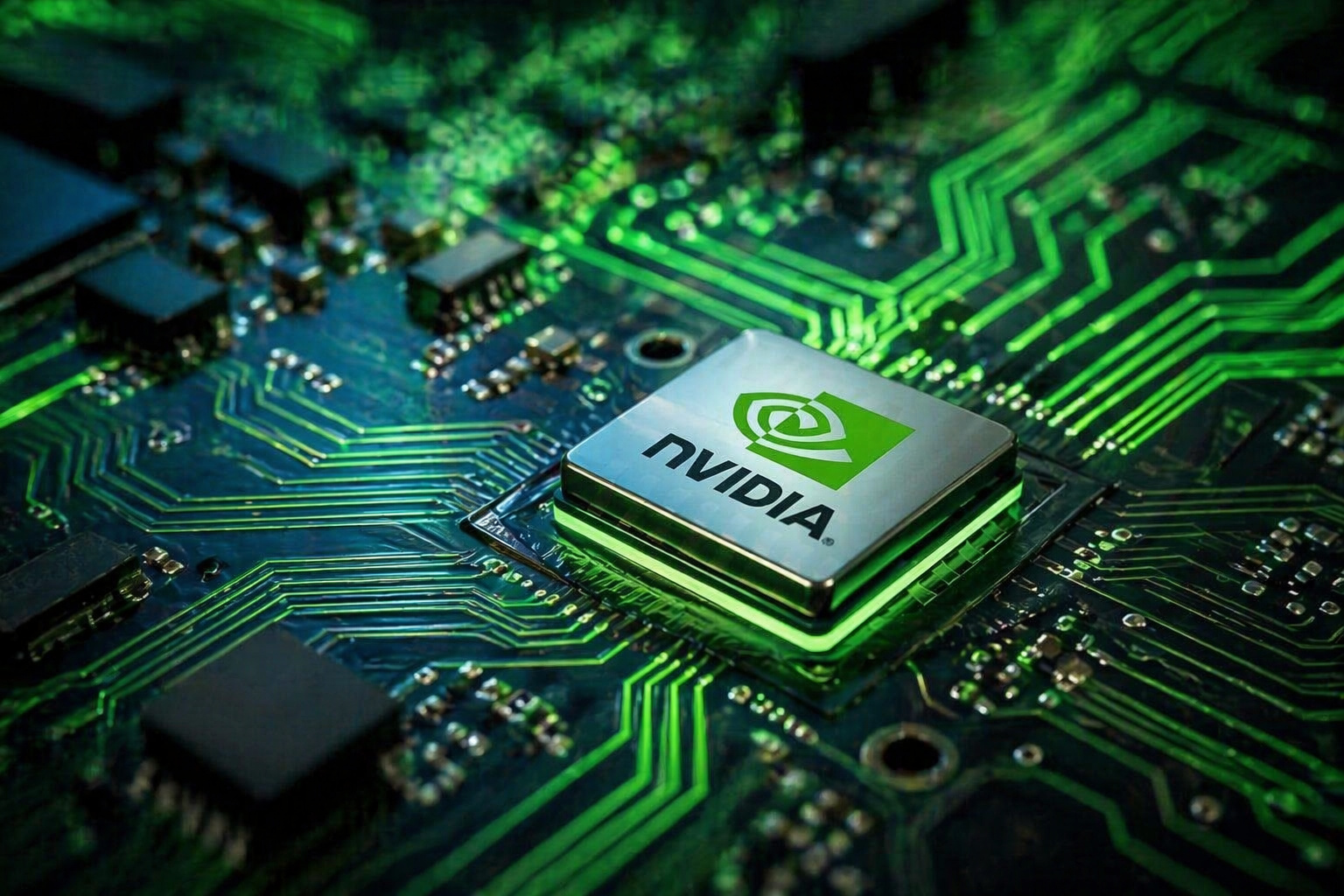
Xanadu CEO’s meteoric rise shows how Nvidia-powered quantum computing boosted wealth to US$1.5 billion in just five days
The global technology market recorded one of the fastest appreciations of the decade, according to data from Xanadu Quantum Technologies itself. The advance occurred within a short five-day period and repositioned the company at the center of technological innovation.
In this scenario, Christian Weedbrook, the company’s founder and CEO, achieved billionaire status after a significant surge in stock value. The movement was driven by an Nvidia strategy that highlighted quantum AI as the foundation for the next phase of artificial intelligence.
Accelerated appreciation puts Xanadu on the global radar
The public offering through a SPAC merger already indicated significant market interest. Investor reaction, however, exceeded expectations after the Nvidia announcement.
-
Woman Turns Apartment into Storage with 158 Pairs of Shoes and 140 Pants, Accumulating $47,000 Debt Due to Compulsive Buying

-
Defying Medical Odds for 65 Years, 72-Year-Old Brazilian Acarajé Vendor Continues Family Legacy

-
Brazil’s Most Famous Fish Travels Over 600 km Against the Current, Overcomes Dams with Eco-Friendly Ladders, and Navigates Flooded Rivers in a Remarkable Migration for Reproduction
-
Revive Old Photos: Gemini’s Little-Known Feature Uses AI to Restore Damaged Images in Seconds with a Professional Six-Step Recovery Process



The company’s shares soared 250%, reaching US$32.67, according to recent financial market records. This movement increased the company’s value and solidified its presence in the advanced technology sector.
Weedbrook’s 15.6% stake in the company was crucial for the wealth surge. The appreciation boosted his fortune to approximately US$1.5 billion, reinforcing the direct impact of the corporate strategy.
Nvidia drives a new phase of artificial intelligence
The launch of Ising, a family of models focused on quantum AI, marked a significant strategic shift in the sector. Nvidia positioned the technology as a central element for the evolution of artificial intelligence.
The proposal breaks away from the exclusive reliance on traditional silicon. The use of superposition qubits allows tasks to be executed at speeds superior to those achieved by classical systems.
The technological advancement indicates a structural transition. Data centers are now combining traditional and quantum computing to enhance performance and efficiency.

Weedbrook’s trajectory deviates from the Silicon Valley standard
Christian Weedbrook’s story presents an atypical career path in the technology sector. The initial phase of his professional life was far from science and engineering.
At 23 years old, the executive worked in a supermarket and a video rental store, while pursuing a career in cinema. The attempt was unsuccessful after failing art courses.
The decision to return to mathematics redefined his path. This new focus led to a doctorate in quantum information theory and, subsequently, a postdoctoral fellowship at MIT, solidifying his academic background.
Xanadu’s founding faced technical and financial challenges
Xanadu was founded in 2016 in Toronto, focusing on photonic computing. The start of operations was marked by significant obstacles.
Technical failures in the first chips compromised the company’s initial development. Financial instability also led to personal difficulties, including three eviction notices faced by the founder.
Persistence in technological development kept the company active. Gradual progress allowed for the overcoming of initial limitations.
Demonstration of quantum advantage changed the company’s direction
The turning point came after the demonstration of what is called quantum advantage. The company managed to execute, in milliseconds, tasks that would take approximately 9,000 years on conventional supercomputers.
The result attracted support from incubators and government investments. This recognition strengthened the company’s credibility on the international stage.
Xanadu’s valuation reached approximately US$16 billion at its peak, according to industry estimates. The company became part of the group of Canada’s most valuable companies.
Integration between AI and quantum computing redefines the sector
Weedbrook’s trajectory reflects a structural shift in the technology market. The integration between artificial intelligence and quantum computing emerges as a new frontier of innovation.
Data centers tend to evolve beyond traditional binary systems. The adoption of quantum technologies can significantly expand processing capacity.
The scenario points to a continuous transformation of the sector. The question that remains involves the pace of this transition and its global impact: will quantum computing be the main driver of the next artificial intelligence revolution?





Be the first to react!