Portuguese
  Spanish


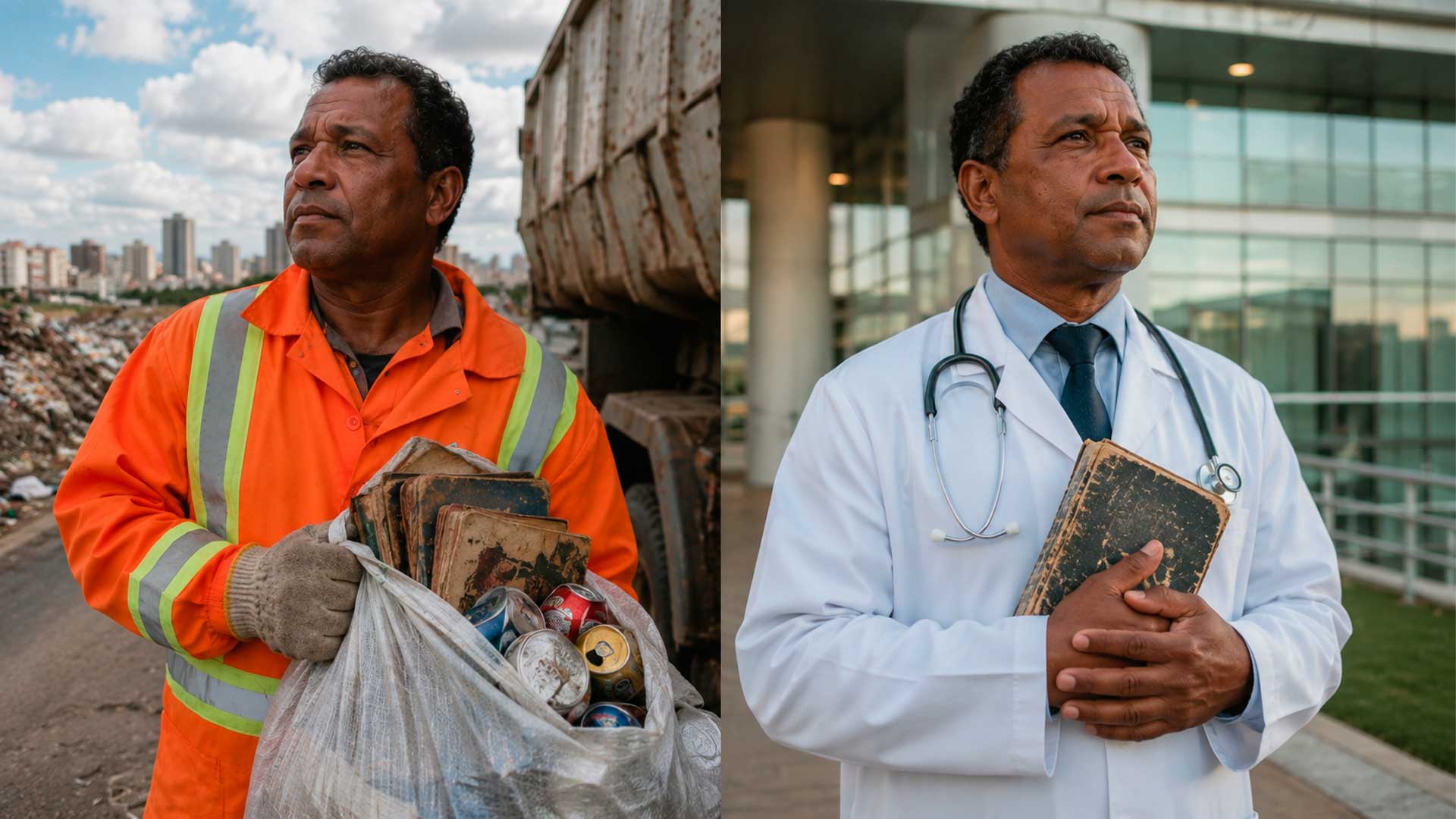

The case of Cícero Pereira Batista shows how the cost of staying still decides who can reach a medical degree in Brazil. Before the full scholarship, he tried to pay for private college, resorted to Fies, retook the Enem, and relied on free books to continue studying.
Cícero Pereira Batista’s graduation in medicine, on June 6, 2014, exposed a problem that goes beyond an individual trajectory. For low-income students, entering an expensive degree like medicine is just the first barrier. Staying in the course requires tuition, transportation, food, housing, books, and time available to study.
Originally from Taguatinga, in the Federal District, Cícero tried to study medicine at private institutions before achieving academic stability. According to a report by UOL Educação, he earned about R$ 1,300 per month while facing a tuition fee of approximately R$ 1,400 at a medical college in Araguari, Minas Gerais.
The case helps to understand the role of programs like Enem, Prouni, and Fies in the education of students who could not afford a long-term private degree. Cícero did not reach the diploma through a linear path. He interrupted the course, returned to the DF, retook exams, changed cities, and restarted subjects.
-
Henry Ford’s Abandoned Amazon Town Faces Daily Fines as Brazil Seeks to Preserve Fordlândia Ruins

-
Brazilian Scientist Wins $100,000 for Decoding Bird Songs That Convey Identity and Social Information

-
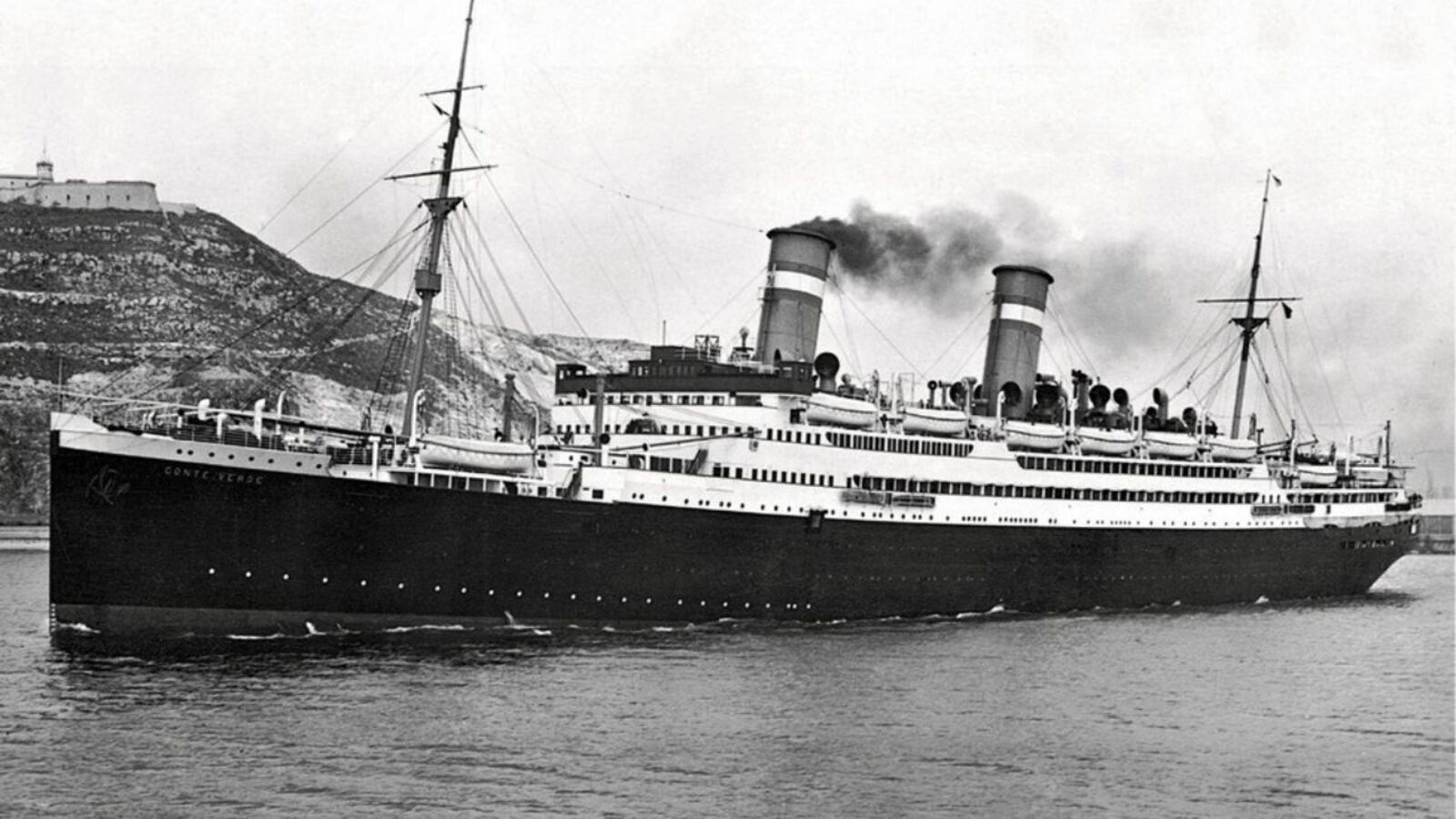
Brazilian National Team Traveled by Ship to First World Cup, Boarding Conte Verde to Reach Uruguay

-
Ancient Burial Site Uncovered in Brazil: 11,000-Year-Old Artifacts Found Beneath 300-Ton Rock



The story of the books found in the trash also factors in, but not as an emotional detail. It shows the lack of access to reading material and school repertoire in poor families, a bottleneck that starts before college entrance exams and follows the student to college.
The medical tuition was higher than the available monthly income


Cícero’s first attempt at medicine began in 2006, in Araguari. The problem was not just getting accepted. The monthly bill was higher than what he earned at work, not considering travel, food, and study materials.
During the week, he attended classes in Minas Gerais. On weekends, he returned to Brasília to work and try to keep up with the course. This type of routine shows a common difficulty for low-income students in full-time or high-hour courses.
Medicine usually requires intense dedication, practical classes, internships, shifts, and specific materials. When a student needs to work to pay for their own stay, the cost doesn’t just appear on the college bill. It shows in the fatigue, the time lost in commuting, and the difficulty of studying outside the classroom.
Cícero resorted to Fies for six months. The Student Financing Fund, according to the Ministry of Education’s description, finances non-free higher education courses in private institutions well-rated by the MEC.
Even with the financing, his stay remained unfeasible at that time. After about a year and a half, he left the course and returned to Brasília.
The Enem became the gateway to compete for a scholarship and reduce the biggest cost of graduation
After interrupting the first attempt, Cícero used the Enem as a path to try for a scholarship. The exam started to function, in this case, as access to public higher education policies, not just as a school assessment.
Inep informs that Enem scores can be used for access to Sisu and Prouni, in addition to being used to apply for student financing in government programs, such as Fies.
Cícero studied on his own and took the exam at the end of 2007. With the result, he obtained a full scholarship at a private university in Paracatu, also in Minas Gerais, more than 200 km from Brasília.
The distance, however, was still a burden. After six months, he returned again to the DF. The following year, he retook the Enem because he needed to study closer to work and family.
With the new score, he obtained a full scholarship at Faciplac, in Gama, an administrative region of the Federal District. The change reduced the burden of commuting and removed the tuition fee from the equation, two decisive factors for staying in the course.
Prouni removed the college bill and changed the feasibility of the education
The full Prouni scholarship was the turning point because it tackled the biggest direct cost of graduation. Without the tuition fee, Cícero was able to reorganize his routine around his work as a nursing technician and his medical classes.
According to the rules provided on the Single Access Portal to Higher Education, the full Prouni scholarship covers 100% of the tuition fee and requires a monthly gross family income per person of up to 1.5 minimum wage. The partial scholarship covers 50% and accepts a per capita income of up to 3 minimum wages.
In Cícero’s case, the scholarship did not eliminate all costs. Transportation, food, books, and study time continued to be real barriers. Still, without the monthly bill, graduation was no longer financially impossible.
The hardest detail of this turnaround is that he had to start all over again. Even after having studied about two years of medicine at other institutions, he was unable to transfer credits and restarted the degree from scratch.
This restart highlights another barrier in higher education. Transferring between institutions doesn’t always recognize the progress already made, and the poor student pays this cost with more years of study, more indirect expenses, and more time until graduation.
Free books reduced another barrier that begins before college
Before reaching Prouni, Cícero already had an unusual relationship with books. As a child, he collected objects from the trash and kept discarded copies, even when he couldn’t read yet.
Over time, these books brought him closer to science, biology, history, and geography. He also reported finding volumes of encyclopedias, material that expanded his contact with subjects not part of his domestic routine.
In college, access to books remained necessary. Cícero used works from free reading initiatives in Brasília, such as projects that lent books in public spaces and bus stops.
This point helps take the story out of the realm of individual curiosity. For poor students, educational material is not a detail. Without books, handouts, internet, transportation, and food, a test score hardly transforms into real permanence in higher education.
The case exposes the weight of access policies in the training of low-income doctors
Cícero graduated in medicine at 33, after almost eight years of undergraduate studies and successive attempts to continue the course. His journey shows that educational policy doesn’t end at enrollment. It needs to reach permanence.
When tuition exceeds income, the student may enter, but hardly stays. When the course is far from work and family, the scholarship only solves part of the problem. When books and food are lacking, approval loses strength.
The case also helps explain why courses like medicine remain associated with economic barriers. Competition is high, the workload is heavy, and the indirect cost of studying for years weighs more on those who already need to work.
Cícero appears in this article as a concrete example of a larger mechanism. Public school, Enem, Fies, Prouni, support from teachers, and free access to books formed a network that reduced obstacles, albeit incompletely.
The question that remains is less about individual effort and more about structure. How many students achieve the grades, interest, and ability to pursue medicine but fall by the wayside due to tuition, transportation, hunger, housing, or lack of materials? Leave your opinion in the comments and share if you know another case where an access policy changed the course of a professional education.