Portuguese
  Spanish




Government of Minas Gerais Completes Change in Supply of Flex Fleet, Expands Use of Ethanol, Reduces Dependence on Gasoline, and Reinforces Public Policies for Sustainability and Low Carbon
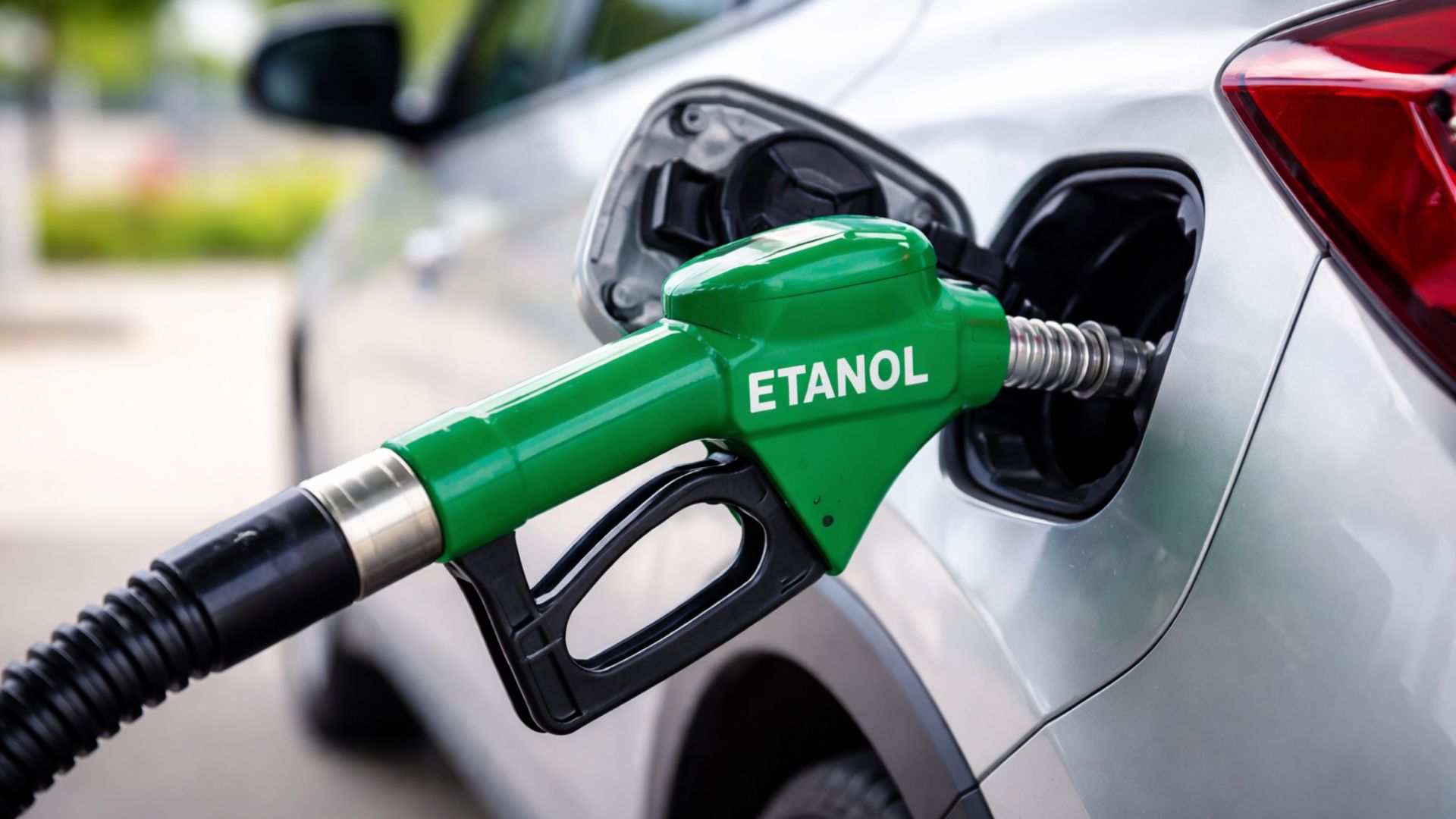
In 2025, the Government of Minas Gerais completed the energy transition of the official flex fleet supply, replacing gasoline with ethanol as the priority fuel. The initiative was coordinated by the State Secretary for Planning and Management (Seplag-MG) and integrates the state policy to encourage biofuels “When Refueling, Choose Ethanol,” which is part of the State Climate Action Plan (PLAC).
According to a report published by Agência Minas on Friday (26), the change positions Minas Gerais as a national reference in sustainable public management, by uniting the reduction of greenhouse gas emissions, stimulating the green economy, and more efficient use of public resources. Between June and October 2025, 90% of the refueling of flex vehicles in the state fleet was done with ethanol, according to official data from Seplag-MG.
Flex Fleet of the Government of Minas Gerais and the Reduction of Carbon Emissions
In addition, the state reached a significant milestone by ensuring that 75% of all fuel used by the public administration comes from renewable sources, a direct result of the energy transition policy applied to the fleet. The adoption of ethanol in the supply of the flex fleet of the Government of Minas Gerais is aligned with the climate goals set by the state.
-
US$ 7 billion, green hydrogen, and steel with up to 95% less CO₂: the first green steel plant on the planet emerges in Sweden and targets Brazil as the next chapter

-
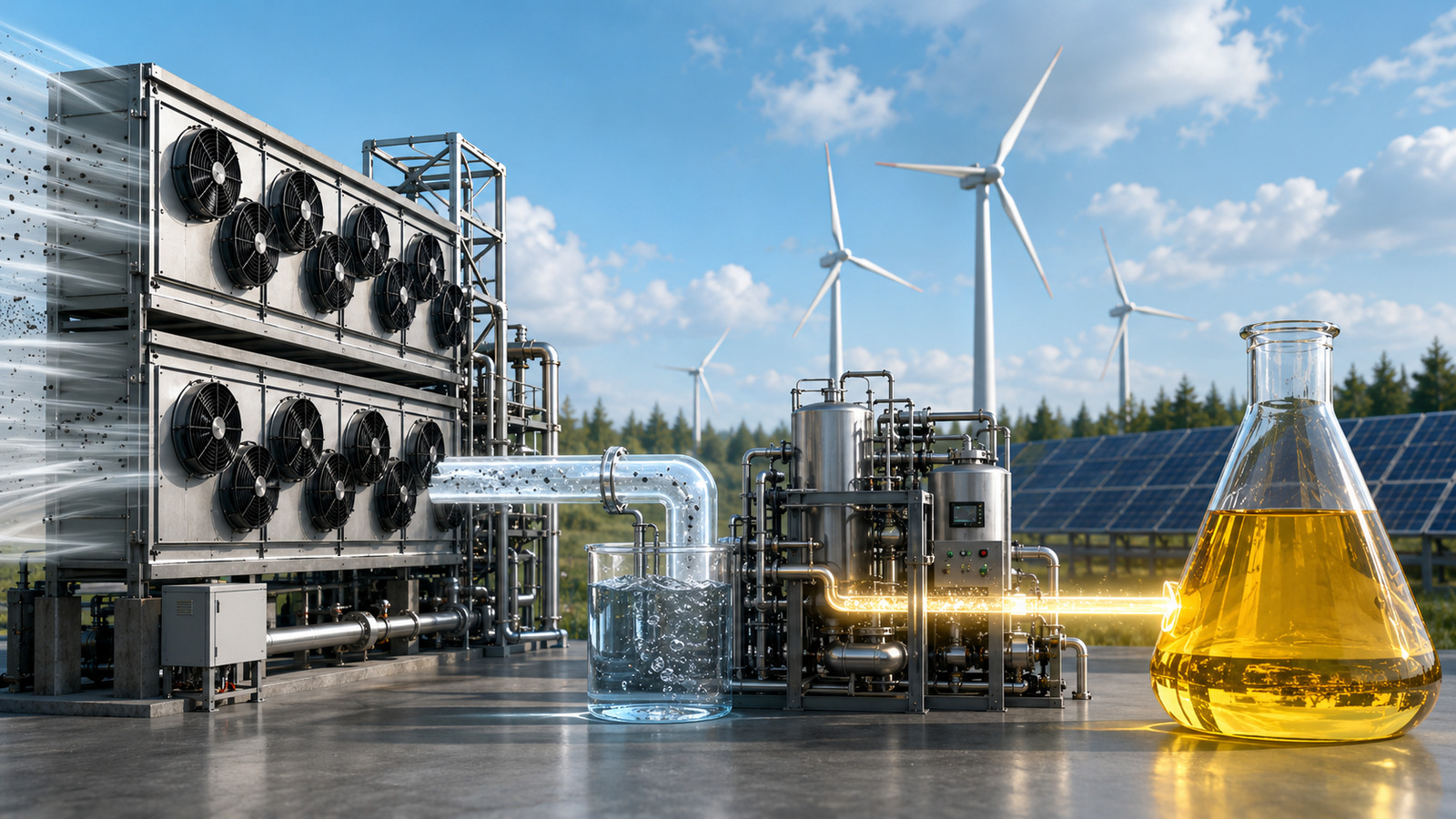
Swedes manage to create synthetic fuel with CO₂, water, and renewable energy, compatible with current engines, but face a huge problem: the energy expenditure is still double the return.
-
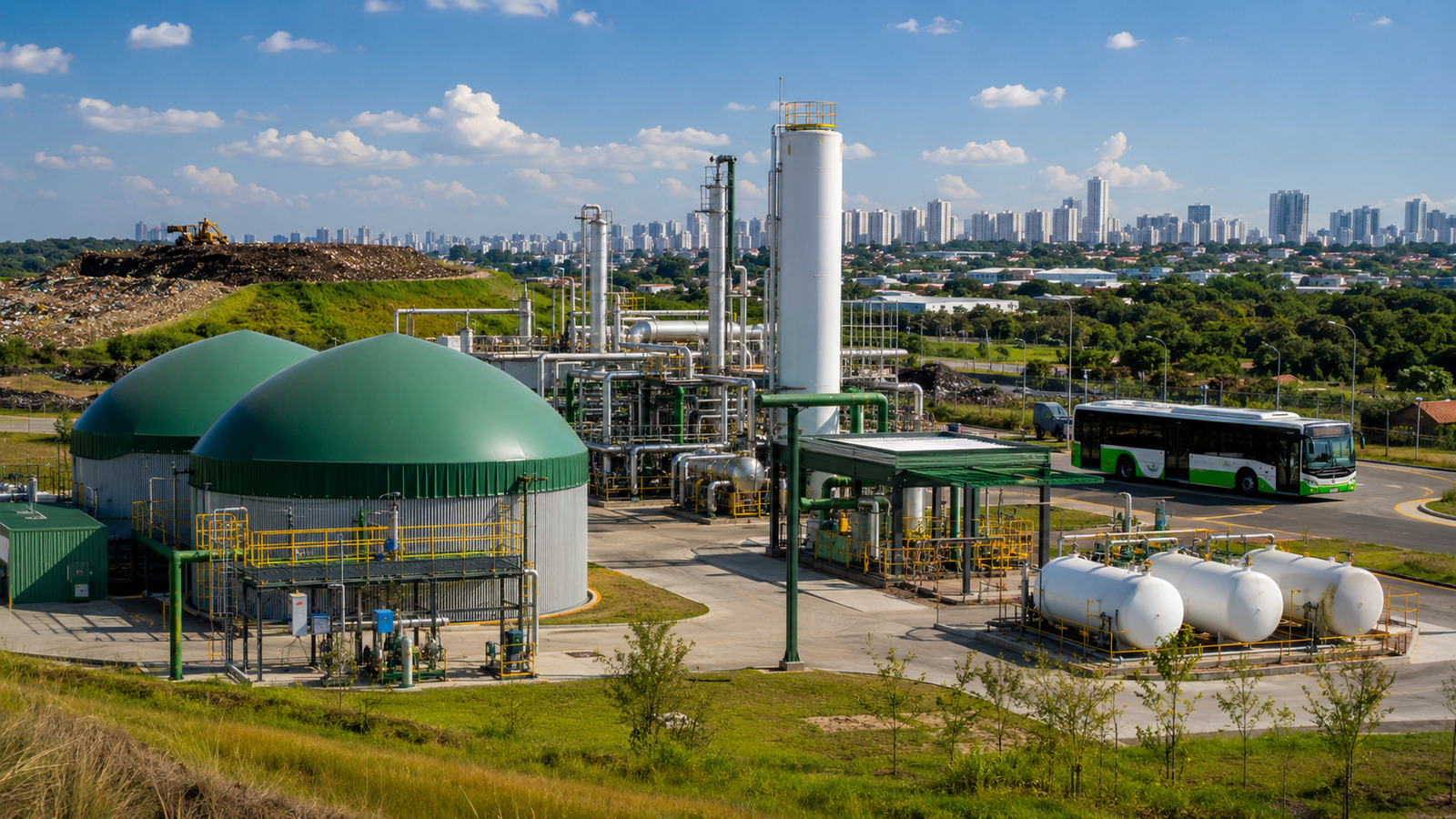
Brazil begins to transform wheat, residues, sweet potatoes, and soy molasses into ethanol, in a new phase of biofuels that seeks to utilize leftovers from the field and industry to fuel flex-fuel cars.

-
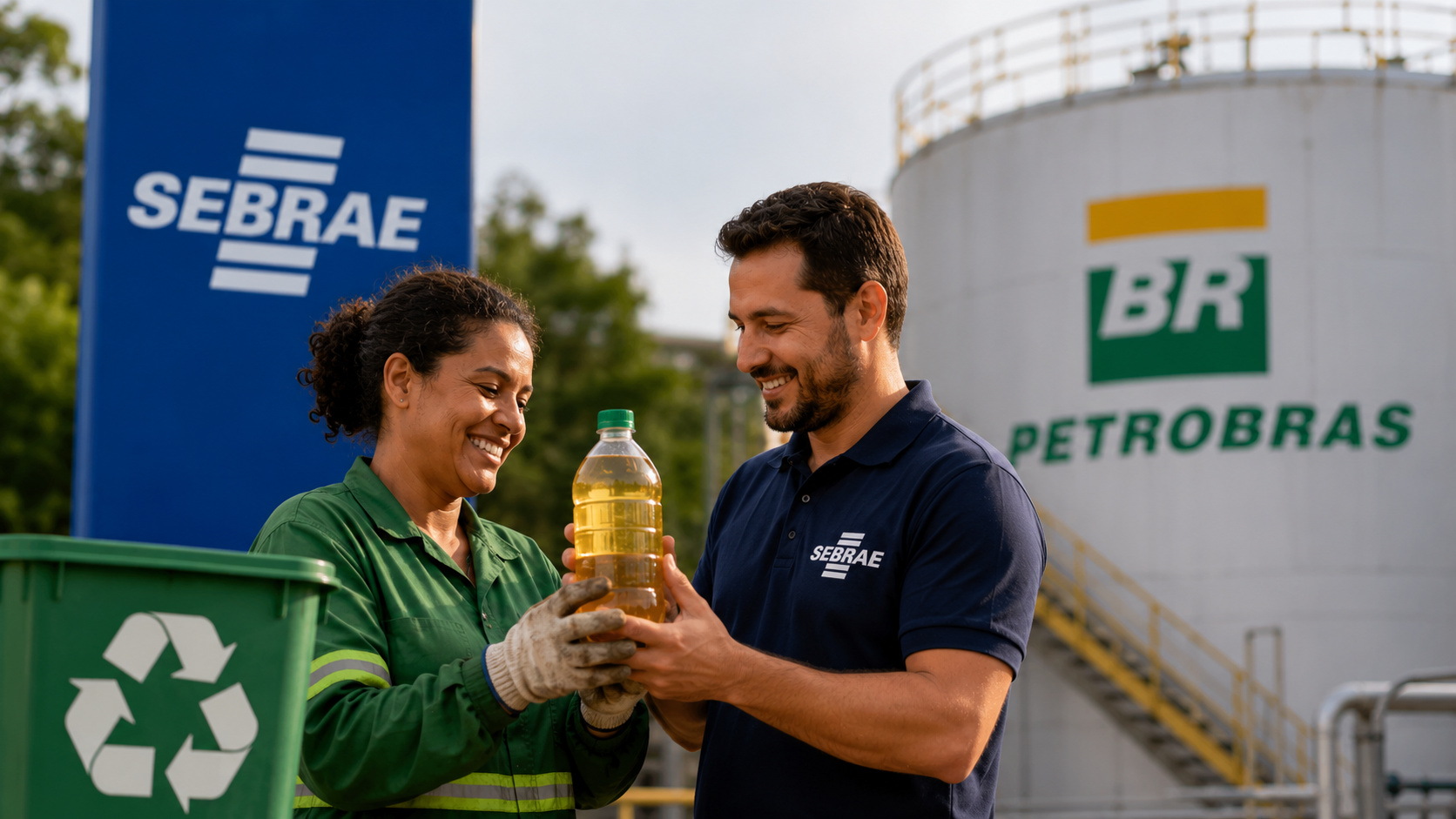
Sebrae and Petrobras join forces in Ceará to include waste pickers in the circular economy and strengthen the biofuel chain, creating new income opportunities and expanding the sustainable use of waste with a direct impact on regional development.


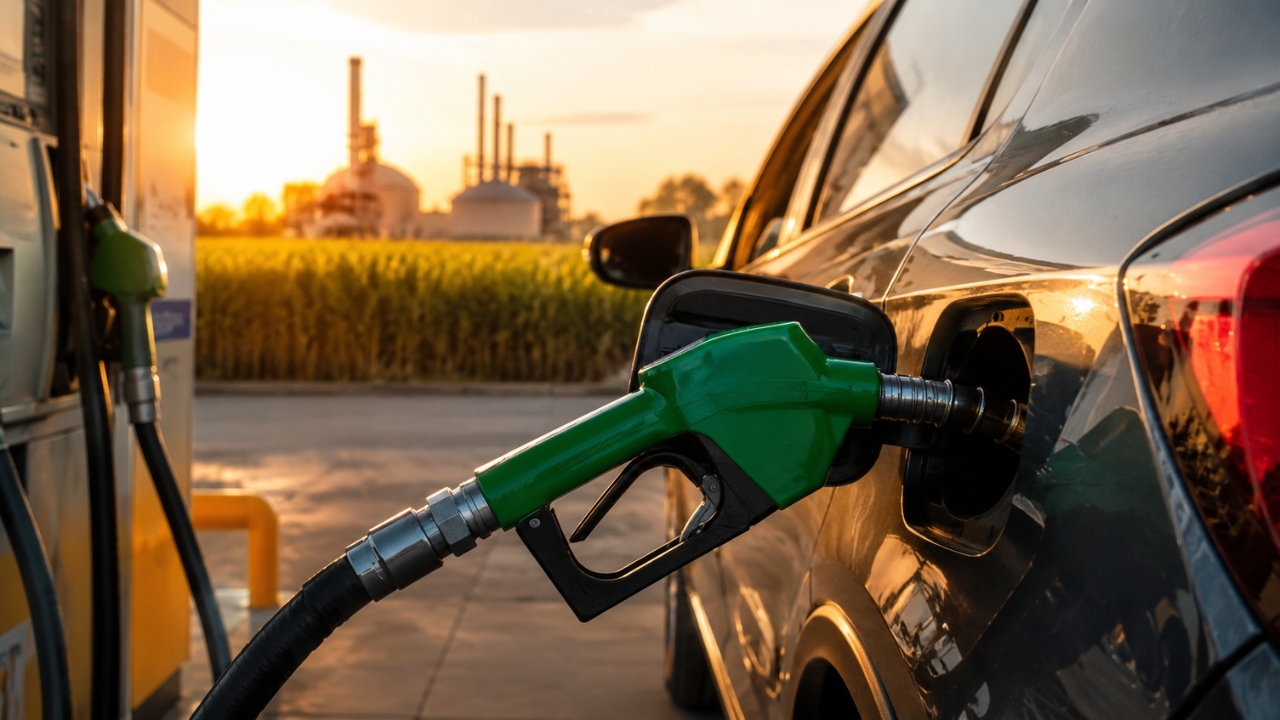
The renewable fuel is recognized for having a lower environmental impact compared to gasoline, especially regarding greenhouse gas emissions throughout its life cycle.
The initiative goes beyond simply replacing one fuel with another. It represents a structural change in how the state conducts its mobility and logistics policy. By prioritizing ethanol, the government reduces its dependence on fossil fuels and strengthens a strategic production chain for Minas Gerais.
This movement also contributes to improving air quality, especially in urban areas, and reinforces the state’s commitment to public health and sustainable development.
Ethanol Replaces Gasoline in Supply of the State Flex Fleet
The transition of the flex fleet supply was made possible by the Total Supply Management (GTA) model, a system that coordinates 77 owned fueling stations distributed across 66 municipalities in Minas Gerais. This model ensures strict consumption control, standardization of procedures, and greater transparency in managing public resources.
With GTA, the Government of Minas Gerais was able to rapidly increase the use of ethanol, consistently reducing gasoline consumption without compromising the operation of essential public services.
The result was an efficient, measurable, and scalable transition, which can serve as a reference for other Brazilian states and municipalities interested in adopting similar policies.
Biofuels and Sustainability on the Agenda of the Government of Minas Gerais
Prioritizing ethanol in the flex fleet is part of a broader sustainability agenda led by the Government of Minas Gerais. In 2025, the state consolidated a series of actions focused on mitigating climate change, conserving resources, and modernizing public management.
The encouragement of biofuels is directly linked to the guidelines of PLAC, which sets targets for emission reductions and adaptation to the effects of climate change. The use of ethanol strengthens the sugar-energy sector, can create jobs, and stimulate technological innovation in the field of renewable energies.
Furthermore, Minas Gerais has a tradition in ethanol production, which favors regional supply, reduces logistical costs, and amplifies the economic benefits of the public policy.
Clean Energy and Free Market Strengthen Environmental Policy
The sustainability agenda of the Government of Minas Gerais is not limited to the transportation sector. In 2025, Seplag-MG conducted a strategic public consultation for the acquisition of electricity from renewable sources, such as solar, wind, biomass, and hydropower, in the Free Contracting Environment (ACL).
The goal is to migrate state units from medium voltage to the free energy market, seeking budget predictability, cost reduction, and less dependence on fossil sources.
This initiative integrates the Green Energy Project (PEV) and complements the policy of substituting gasoline with ethanol in the fleet. The logic is integrated: less fossil fuels, more renewable sources across all fronts of public administration.
Low Carbon Public Procurement Expands Economic Impact
Another pillar of the environmental policy in Minas is the state’s purchasing power. With around R$ 3 billion annually in acquisitions, the Government of Minas Gerais established a Technical Cooperation Agreement with the Jataí Institute to structure a low-carbon public procurement strategy.
The proposal is to use the volume of government purchases as a tool to induce the green economy, encouraging suppliers to adopt more sustainable practices. This strategy expands the impact of the flex fleet transition, as it brings environmental principles to the entire productive chain. When the state changes its consumption patterns, it influences the market and accelerates the adoption of sustainable solutions.
Circular Economy and Material Reuse
In the field of circular economy, Seplag-MG launched Bolsa 2.0 – Reuse Materials, a digital platform that allows the donation and reuse of furniture and equipment among public agencies.
The initiative reduces waste, decreases the need for new purchases, and prolongs the useful life of public assets. This logic of reuse directly dialog with the flex fleet policy, promoting an administrative culture based on the rational use of resources. Sustainability, in this context, involves both the choice of ethanol and the reduction of waste and excessive consumption.
Sustainable Standards Strengthen Public Management of the Government of Minas Gerais
State Decree No. 48,938/2024 consolidated sustainability criteria in public procurement, guiding managers to prioritize products and services that use water and energy more efficiently or that reduce pollutant emissions.
Seplag-MG also reviewed sustainable purchasing manuals, incorporating technological advancements and best environmental practices. These measures ensure that the transition of the flex fleet to ethanol is accompanied by structural changes, avoiding isolated and short-term actions.
Traffic, Public Health, and Efficient Vehicle Management
The environmental commitment of the Government of Minas Gerais is also reflected in the management of seized vehicles. The Zeroed Garage program, carried out in partnership with the Court of Justice of Minas Gerais (TJMG), enabled the auction of vehicles that had been in public garages for years.
In the pilot project, 1,556 vehicles were slated for auction, reducing public health risks, such as dengue outbreaks, and transforming depreciated assets into revenue. The initiative reinforces the logic of efficiency and sustainability that guides the state’s flex fleet policy.
Flex Fleet: A New Standard of Sustainable Public Management in Minas Gerais
The replacement of gasoline with ethanol in the supply of the flex fleet of the Government of Minas Gerais marks a concrete advance in the state’s environmental policy. The initiative demonstrates that it is possible to reduce carbon emissions, strengthen biofuels, and maintain operational efficiency.
By integrating actions in transport, energy, public procurement, and the circular economy, Minas Gerais consolidates a model of public management aligned with the climatic challenges of the present and future. The Minas Gerais experience shows that sustainability can be practical, measurable, and replicable, benefiting both the environment and society.