Portuguese
  Spanish


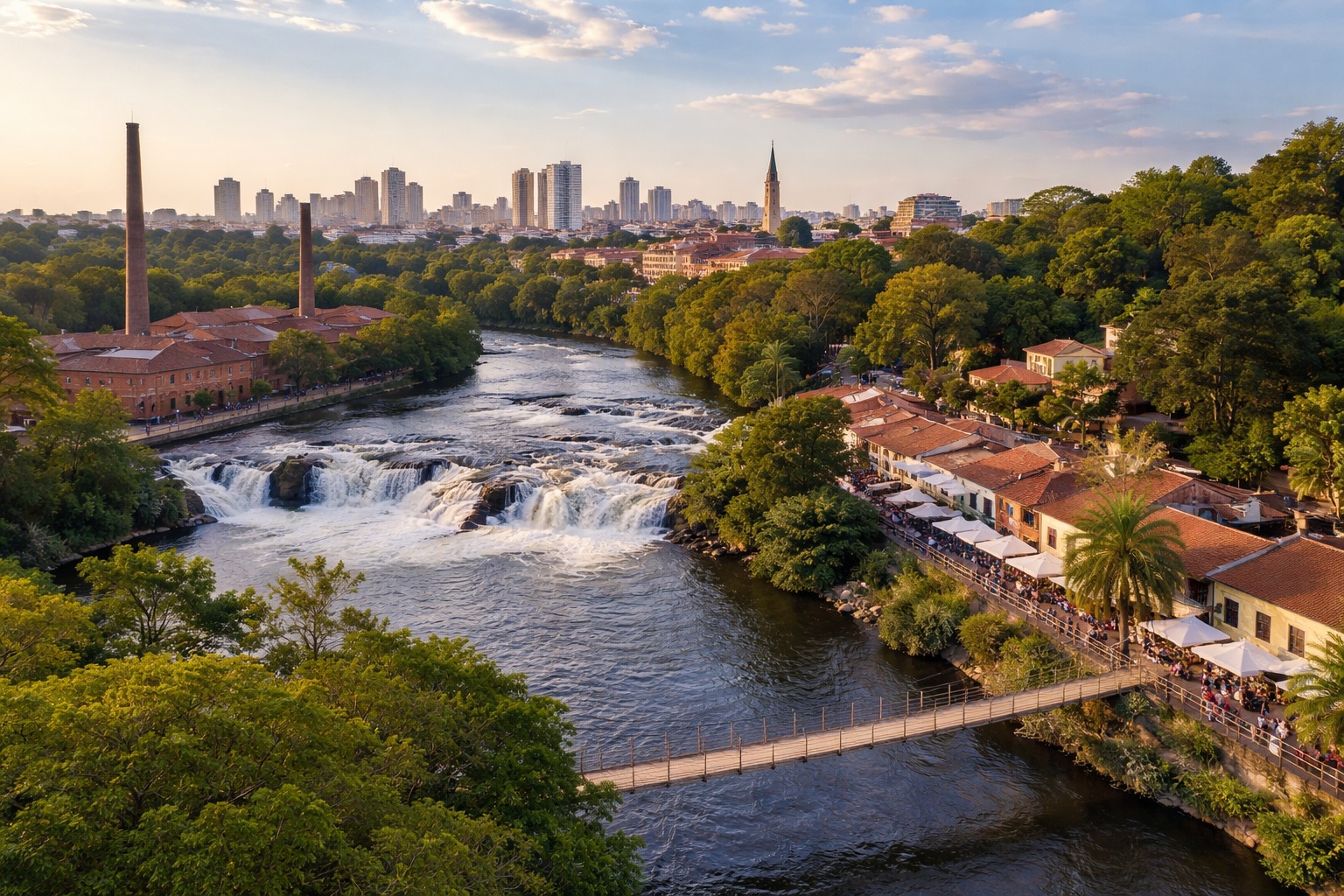


160 Km From São Paulo, Piracicaba Features a 200-Meter-Wide Waterfall, the 1881 Engenho Central with 80,000 m² of Heritage, ESALQ Campus with 915 Hectares, and a Solid Culinary Tradition on Rua do Porto Along the Riverbanks
Piracicaba, located 160 km from São Paulo, has established itself as a destination that integrates historical heritage, an educational hub, and regional cuisine, centered around the river with a 200-meter-wide waterfall that originated the Tupi name “where the fish stops” and an urban structure formed since 1767.
Origin of the Name and Historical Consolidation of Piracicaba
The history of Piracicaba begins in 1767, when the settlement was formed along the river that made it difficult for fish to ascend during the piracema. For decades, the city was officially called Vila Nova da Constituição.
In 1877, councilman Prudente de Moraes orchestrated the approval to return to the original Tupi name. Years later, he would become Brazil’s first civilian president.
-
How to Prevent Brown Recluse Spider Bites: Common Hiding Spots and Free Tips to Reduce Risks

-
Natto: The Unusual Japanese Superfood Gaining Popularity on Social Media and Driving Record Exports
-
Brazilian Mayor Goes Undercover as Homeless for 24 Hours to Assess Public Services

-
15-Year-Old Entrepreneur Malu Lira Publishes 20 Children’s Books on Financial Education, Earns $500,000, and Expands Her Project to the Amazon Rainforest




This history can be explored at the Prudente de Moraes Museum, located in the politician’s former residence.
The museum preserves documents, furniture, and photographs from the 19th century, gathering records that help to understand the political and institutional formation of the city.

Engenho Central of 1881 Marks Economic Transition
Founded in 1881 by Baron de Rezende, the Engenho Central was equipped with French machinery and designed to replace slave labor with mechanization. In 1899, it was sold to a French company.
The facility produced up to 100,000 sacks of sugar per year. The complex operated until 1974. Today, it occupies 80,000 m² of green area classified by Condephaat and hosts cultural spaces.
The exposed brick warehouses host the Teatro Erotídes de Campos, exhibitions, and the International Humor Salon.
Established in 1974 at Café do Bule during the military dictatorship, the event is considered the oldest ongoing graphic humor event in the world.
The first edition featured names like Millôr, Ziraldo, and Jaguar. In 2025, the 52nd edition showcased works from artists from 22 countries, expanding the international reach of the event in Piracicaba.
Attractions Concentrated Along the Riverbank
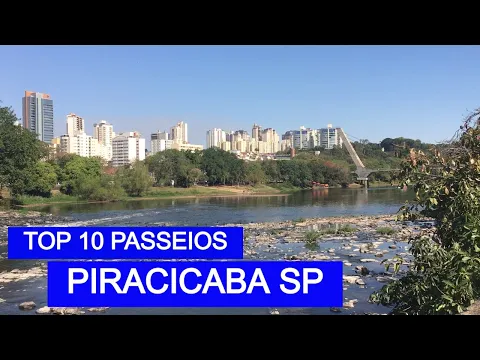
Most of the tourist spots in Piracicaba are located along the river and can be visited on foot in a single day.
Among the highlights is the Piracicaba River Waterfall, about 5 meters high and 200 meters wide.
At night, the waterfall receives special lighting. Another point of interest is the Alto do Mirante Tourist Elevator, a 24-meter tower installed over the Caio Tabajara Bridge, offering a panoramic view and free entry.
The Water Museum operates in the former water intake station from 1887 and preserves the original stone structure, along with aquariums.
The Pênsil Walkway, inaugurated in 1992, is 103 meters long and connects the Engenho Central to the city center.
The ESALQ of USP occupies 915 hectares. The park was designed in 1907 by Belgian landscape architect Arsênio Puttemans, in English style. Classified as a State Public Heritage site in 2006, the campus has free entry and features lakes and centuries-old trees.
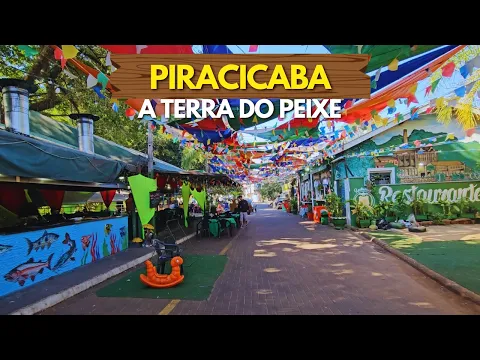
Culinary Tradition Along the River on Rua do Porto
Rua do Porto concentrates the culinary tradition of Piracicaba. The restaurants are housed in historic buildings along the river, serving fish-based dishes.
The fish in the drum is the signature dish. Tambaqui, pintado, or filhote are grilled on metal drums and served with rice, pirão, and vinaigrette. The aroma of the grill anticipates the visitor’s experience.
The piracicabano couscous is made with river fish, cornmeal, and boiled eggs. The handmade pamonha contains only corn, sugar, and water, being sold at the Municipal Market, founded in 1888, and at local fairs.
Weather and Access to the City
The dry winter favors walks along the waterfront and visits to the Engenho Central. In summer, rains typically occur in the afternoon, keeping mornings free for outdoor activities.
Piracicaba is 160 km from the capital via Bandeirantes and Luiz de Queiroz SP-308 highways, with an average driving time of 2 hours. The nearest airport is Viracopos in Campinas, 80 km away.
Intermunicipal buses leave from São Paulo’s bus station with frequent lines. The city integrates industrial heritage, an international humor event, and a culinary tradition linked to the river that shaped its identity over the centuries, keeping alive the relationship between waterfront, culture, and local development over time.
Information from Correio Braziliense.