






 Portuguese
  Spanish
 4 min of reading
  0 comments


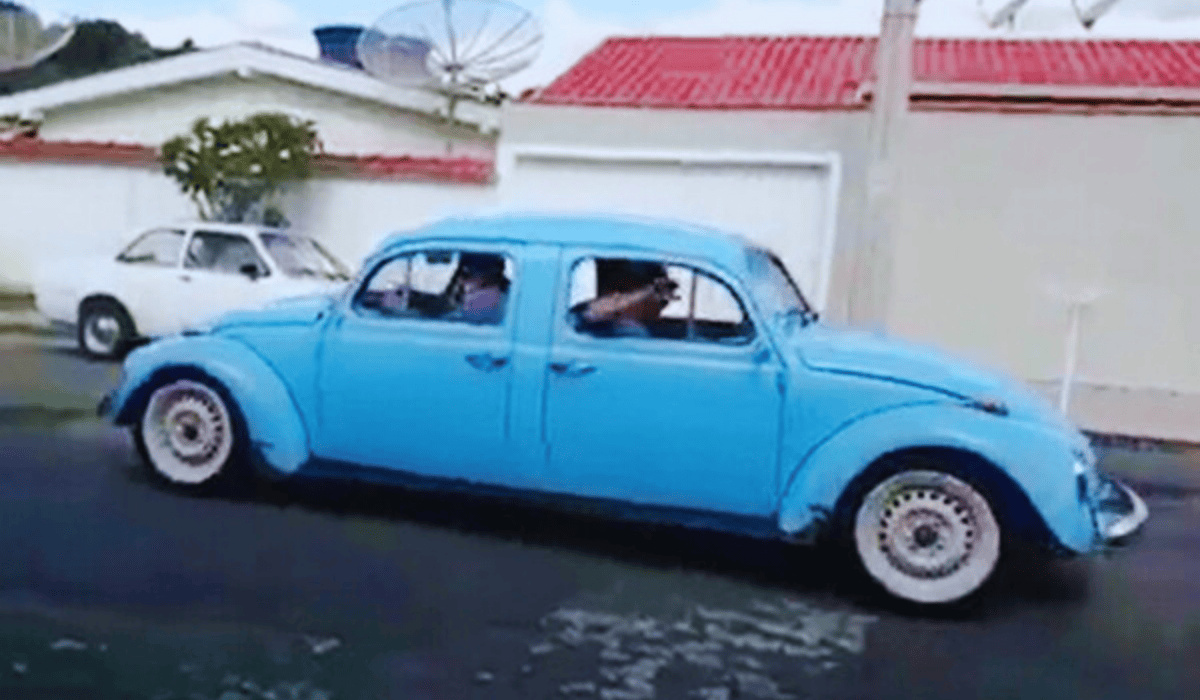
A Beetle with Two Fronts and Four Doors Draws Attention in Balneário Camboriú After Adaptation Made in Workshop in Poços de Caldas, with Symmetric Interior and Controls Concentrated on a Single Side, According to Those Responsible for the Project.
Beetle Two Faces in Balneário Camboriú
A modified Volkswagen Beetle designed to showcase two fronts, four doors, and a duplicated interior as a visual effect has become a highlight in Balneário Camboriú (SC).
The car, nicknamed “Beetle Two Faces”, belongs to a collector who does not disclose his identity and was built to order in Poços de Caldas (MG), according to the responsible workshop.
The project combined the body of a 1974 Beetle with the structure of a second vehicle used as a donor.
-
The Celta may return without gasoline, with a plug and a Chinese soul: Chevrolet prepares a new electric hatch in Ceará to try to challenge the BYD Dolphin Mini, Geely EX2, and the compact market in Brazil.

-
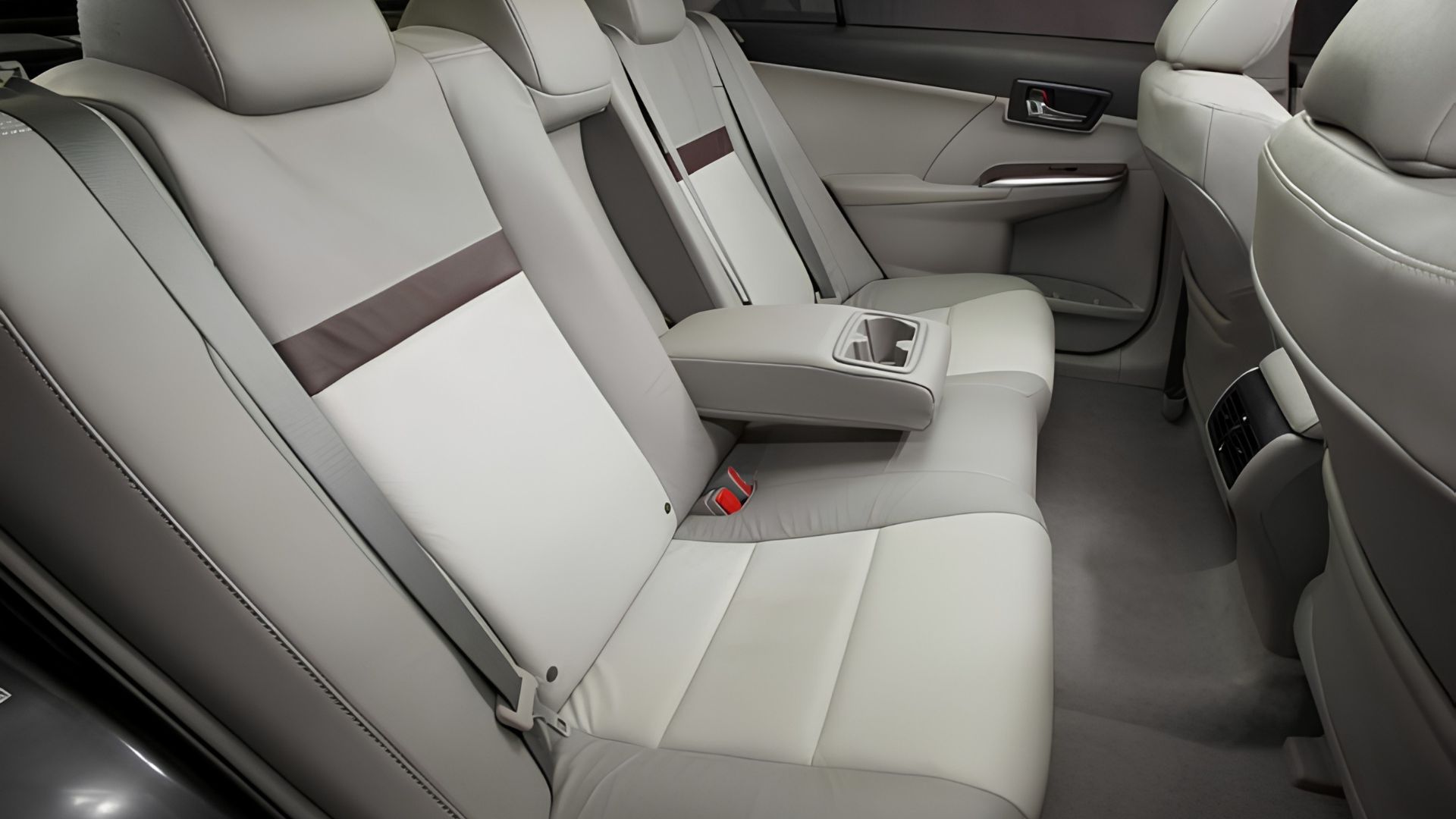
The 2012 Toyota Camry became the luxury Japanese sedan that costs less than many used compact SUVs, offering a V6 engine, 504 liters of trunk space, and executive comfort for those willing to step out of the ordinary in the used car market.

-
Hilux owners are having headaches, and Toyota is betting on a R$ 2,500 solution with a detail of just 5 mm that promises to reduce vibrations to 1/10 and change the pickup’s behavior on the road.
-
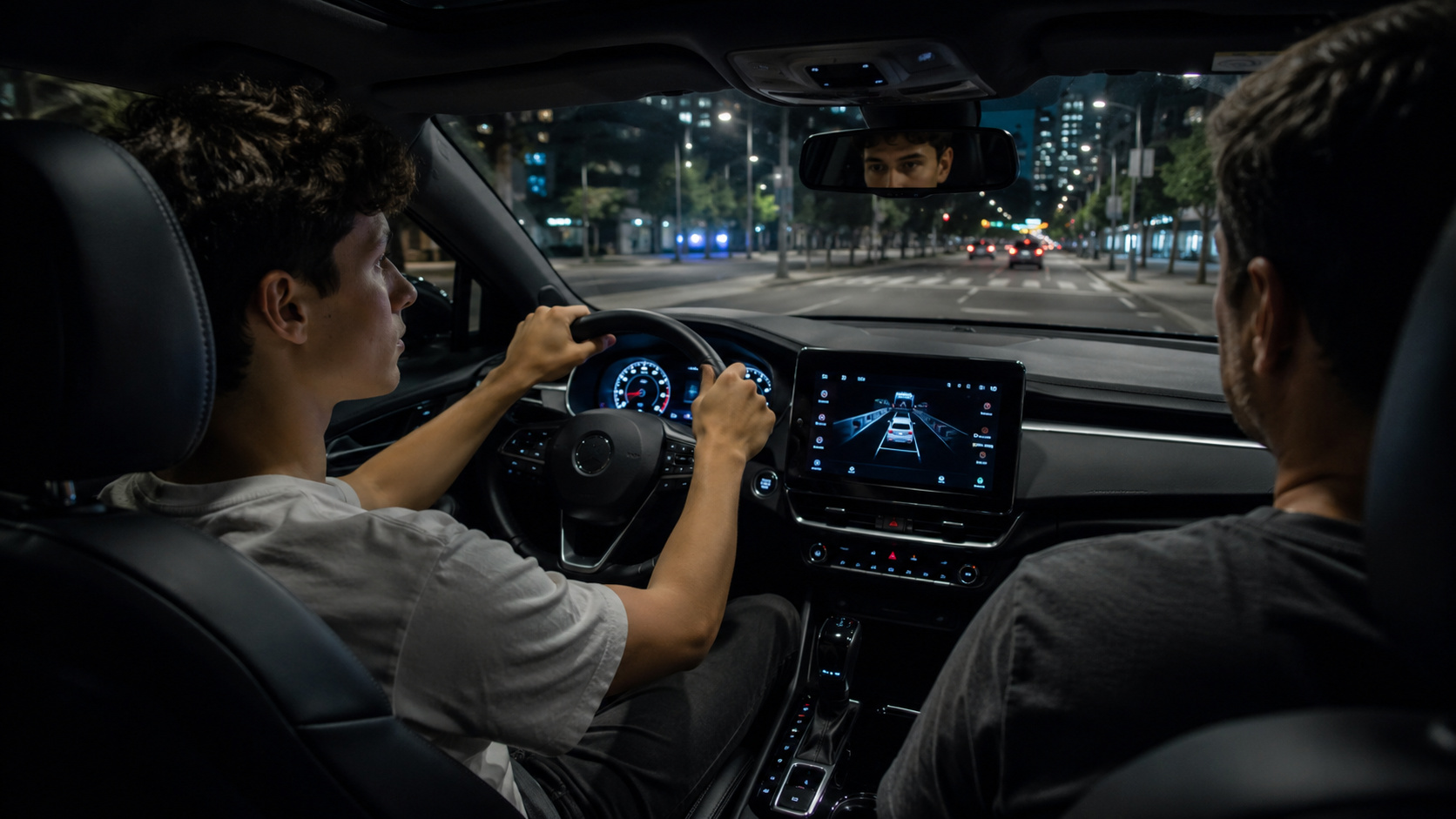
Driver’s license at 16, driving limit after midnight, and autonomous cars in Brazil: a bill that changes the Traffic Code advances in the Chamber and could transform the routine of young people, drivers, and new technologies on the streets


The construction, according to those responsible for the adaptation, took about eight months and was completed in July 2021.
Adaptation with Two Fronts and Visual Symmetry
The idea of the “Two Faces” is to reproduce, at what would be the rear, the front of the car, forming a symmetrical set when viewed from outside.
As a result, the vehicle features a windshield, hood, and headlights on both sides, which often raises questions among passersby about which direction the movement is intended to go.
In publications and videos on the internet, the phrase “Now NASA comes” frequently appears jokingly to comment on unusual creations.
In the case of this Beetle, the workshop reports that the transformation required <strong structural changes and control adjustments to maintain the functioning of the model in just one real direction of driving.
Workshop in Poços de Caldas and Custom Order Project
The details of the work were described by David Junio Wiermann, 42, partner of José de Almeida Wiermann, 72, his father, at Wiermann Garage.
According to him, the order arose after the client found a similar car in Brazil and sought to reproduce the idea.
“Our client saw a similar car in Brazil and placed the order with us. My father oversaw the execution of the entire project,” said David, explaining how the workshop organized the construction.
He also reported that the adaptation was planned to maintain a single mechanical set, without duplicating the engine or transmission.
Fake Cabin, Real Controls, and Duplicated Interior
Despite the appearance of “two fronts,” only one side contains the necessary controls for driving.
According to David, the car “drives normally on one side,” while the other end has cockpit elements that exist only as visual composition.
“The car drives normally on one side, while at the other end of the cockpit, everything is fake,” he said.

This means that only the original front has operational pedals, while the other end repeats the dashboard, steering wheel, and gear lever without mechanical function.
The interior was mounted to reinforce the symmetry observed from the outside.
Each pair of seats faces the closest windshield, creating the impression of two driving positions.
Additionally, there are wipers at both ends, although the workshop informs that only one set is functional.
For lighting, the headlights installed at the end that, in the original Beetle, would be the rear, received red bulbs.
According to the description of the adaptation, they now serve the role that, in a conventional car, would belong to the taillights.
Extended Chassis and Adjustments of Cables, Brakes, and Gear
The main technical difficulty reported by the workshop was adapting the control systems to the new length of the vehicle.
To enable the design with two “fronts” and four doors, the chassis was extended by approximately 90 centimeters.
Even with the change in proportion, the engine and transmission remained in the rear region of the assembly, as in the factory Beetle, according to David.


As a result, it was necessary to extend items that depend on cable, rod, or tubing to function correctly.
“Throttle cables, handbrake and clutch, as well as the gear rod and brake tubing, also had to be extended,” David reported while detailing the adaptation stage.
In his assessment, the goal was to maintain the behavior of the car within the expected standard for the model.
“Even so, we did what was necessary to preserve the normal drivability,” he stated, expressing that the team sought to keep the driving similar to that of a conventional Beetle on the actually operational side.
Documentation, Circulation, and Use in Exhibitions
According to the workshop, the vehicle’s documentation was not altered after the modifications.
David also informed that the adaptation was made with a focus on exhibitions, which, in practice, means that the project was not presented as a car prepared for regular circulation on public roads with updated registration to reflect structural changes.
For this reason, the “Beetle Two Faces” has been associated with events and exhibitions, where customized and modified classic vehicles are often presented to the public.
The identification of the owner, according to what was reported by those involved, remains confidential.
Nevertheless, the car continues to attract attention for featuring two fronts, a duplicated cabin as a visual effect, and mechanical adjustments to maintain a single real direction of driving.



Be the first to react!