Portuguese
  Spanish


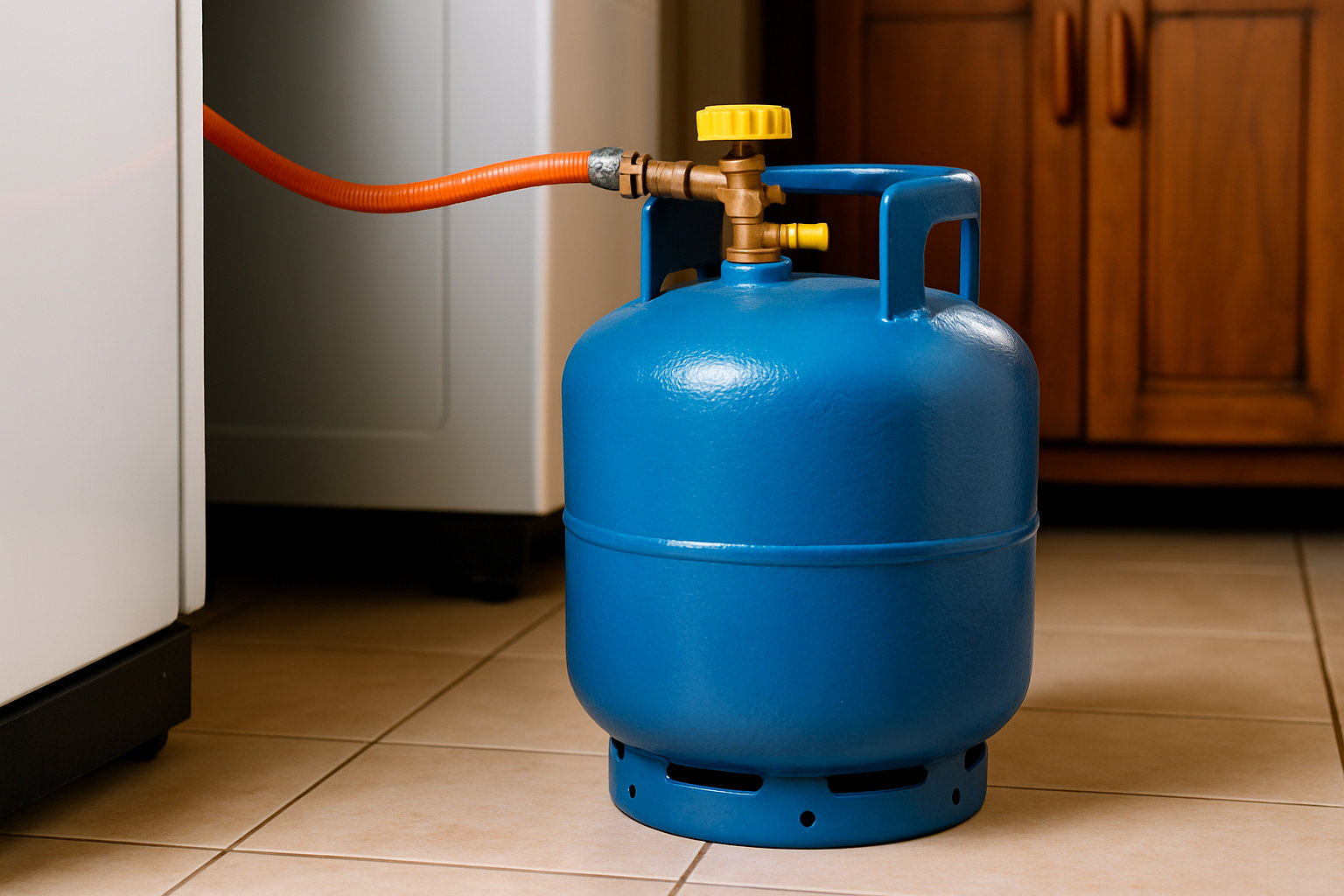

See How to Prevent Risks at Home With Basic Cares in the Use of the Cylinder
Liquefied Petroleum Gas (LPG), known as cooking gas, is present in almost all Brazilian municipalities.
According to Sindigás, the product supplies 91% of national households, which corresponds to about 67.1 million homes.
Because it is flammable, its use requires constant care. Simple mistakes, like leaving the cylinder in confined areas, can lead to serious and completely avoidable accidents.
-
Oil production grows in Rio, but reserve replacement raises a warning sign

-
Petrobras is expected to complete the drilling of the Morpho well in the Foz do Amazonas in August 2026, the first well in the Equatorial Margin, an oil frontier that the ANP estimates at more than 30 billion barrels and could redraw the map of Brazil.

-
Oil returns to the center of concerns with tension between the US and Iran

-
IEA reduces forecast for global oil demand in 2026 after impacts of the Middle East crisis


Although it is a safe product, it is essential to follow handling and storage recommendations to ensure the safety of all residents of the household.
Main Signs and Immediate Actions in Case of Leakage
First of all, it is essential to know how to identify the signs of a leak. The characteristic smell of the gas is the first alert.
At this moment, one should avoid matches, lighters, and light switches. Immediately afterward, it is necessary to open doors and windows to ventilate the environment.
Then, one should close the cylinder valve without delay. These steps, in addition to being simple, can save lives in situations of domestic risk.
If the leak is not controlled, the recommendation is clear. It is necessary to immediately call the Fire Department at phone number 193.
Safe Storage and Correct Handling of the Cylinder
Additionally, the storage of the cylinder is critical to avoid risks. The container should always remain in a well-ventilated area and in an upright position.
It is also important to avoid installing it in cabinets, basements, or near drains and sewage, as these environments can concentrate gas.
Another fundamental point is to not place objects on top of the cylinder. This habit compromises proper ventilation and can create unnecessary risks.
Authorized Resale and Quality Guarantee
When purchasing the cylinder, it is essential to choose authorized and reliable resellers.
Only accredited distributors offer products with original seals and safety labels, in addition to the seal of the National Agency of Petroleum (ANP).
Buying from unauthorized locations can expose consumers to adulteration risks, compromising the home safety of all residents.
Therefore, checking the intact and valid seals should be a constant and rigorous habit for those who want to prevent any problems.
The Performance of Copa Energia and the Relevance in the Market
Focusing on accident prevention, Copa Energia developed a list of recommendations emphasizing the importance of responsible gas use.
The company has 70 years of operation and holds 24.4% of the national market share, serving over 30 million customers across Brazil.
Its operations occur through the brands Copagaz and Liquigás, recognized leaders in the LPG sector and a reference in reliable distribution.
The company has a network of 13,000 distributors present in 24 states and the Federal District, in addition to more than 3,700 employees.
Thus, the company continues to consolidate its national presence and promote energy transition with a focus on sustainable consumption.