Portuguese
  Spanish


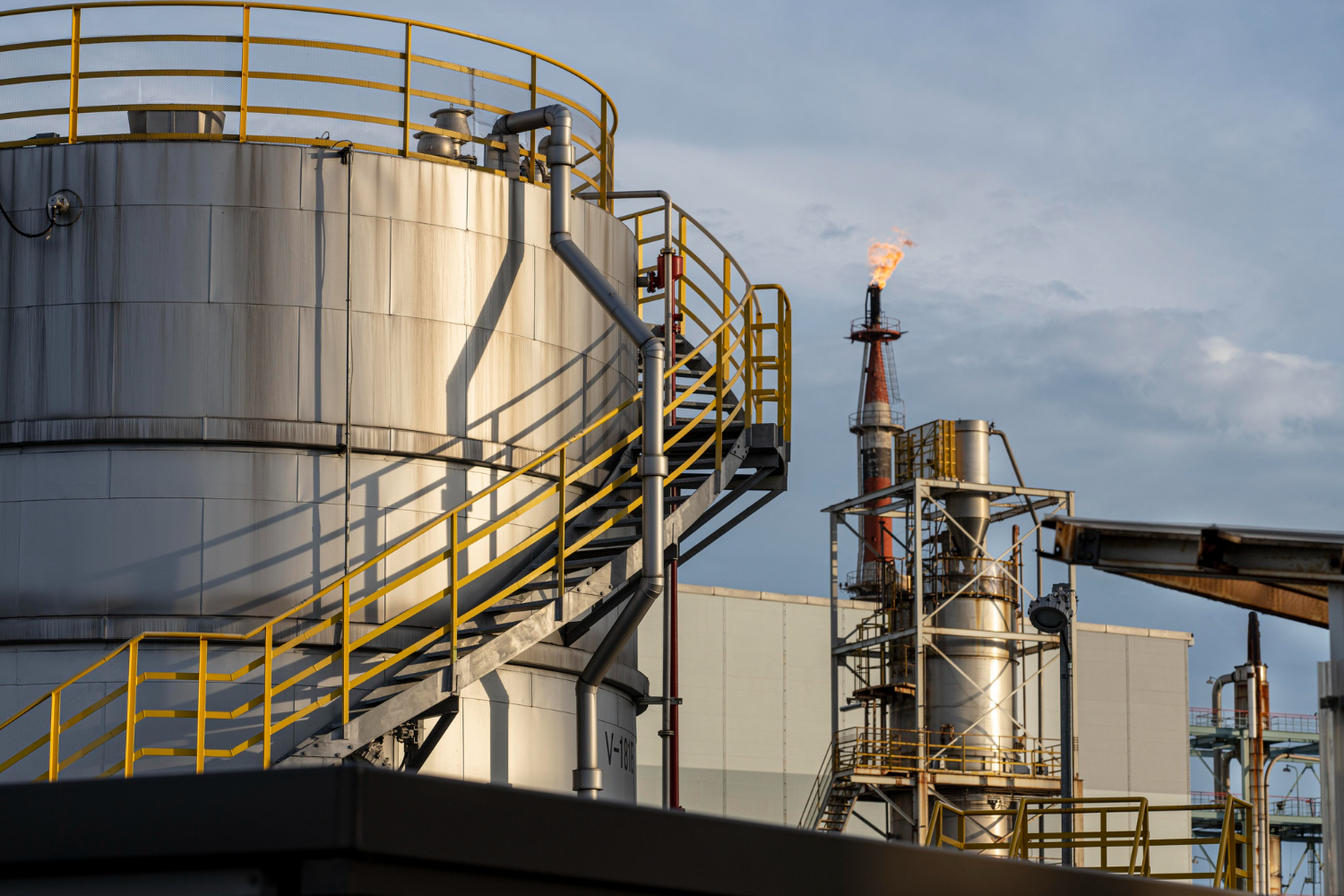

The Ministry of Mines and Energy Created a Department Dedicated to Social Policies for Liquefied Petroleum Gas (LPG) and the Promotion of Clean Cooking, Strengthening Sustainable and Accessible Programs Across Brazil
The Liquefied Petroleum Gas (LPG) has become the focus of a new initiative from the Ministry of Mines and Energy (MME), which created the Department of Social Policies for LPG and Promotion of Clean Cooking, according to a news article published.
The measure, established by Decree No. 12,698 of October 28, 2025, reinforces the Brazilian Government’s commitment to expanding access to safe, affordable, and environmentally responsible energy.
The creation of the department comes in the context of combating energy poverty and strengthening the Gas for the People program, which aims to ensure total free refills of gas cylinders for families in vulnerable situations.
-
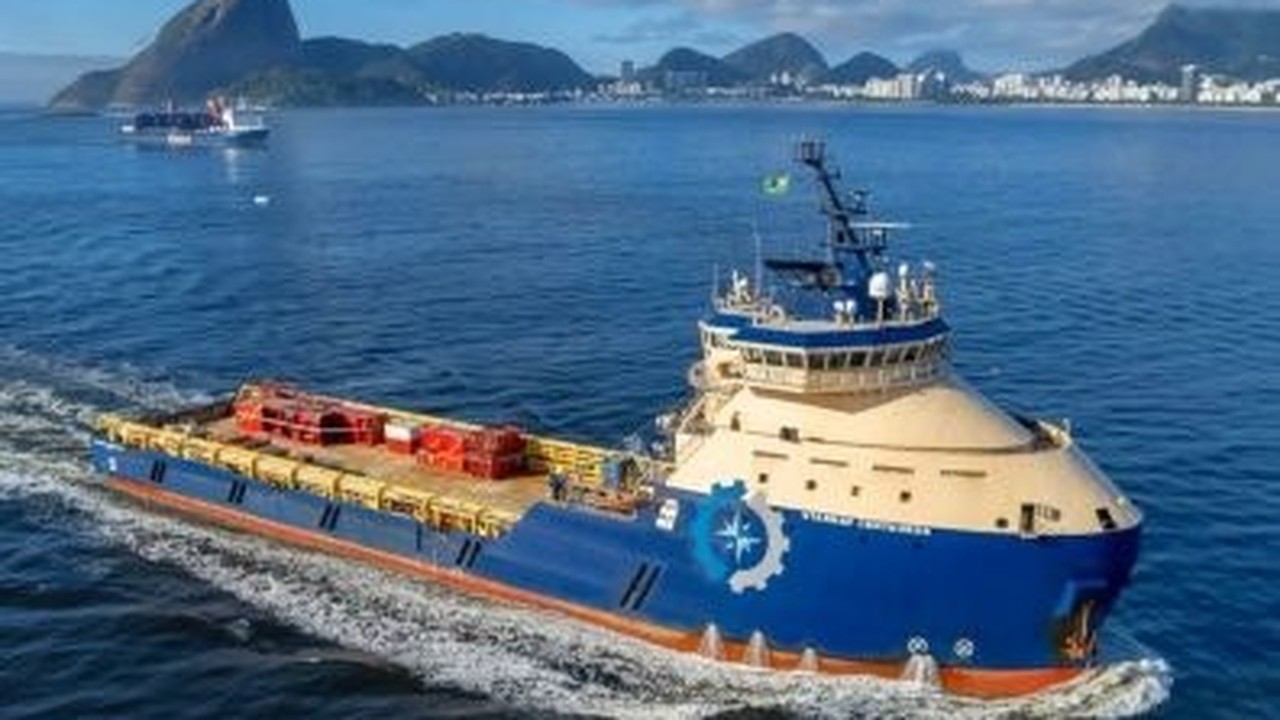
Starnav orders 10 hybrid vessels with German MTU engines in Itajaí and prepares fleet to serve Petrobras in the pre-salt for 12 years.

-
The Chamber releases R$ 10 billion to hold the price of diesel until December and proves that Brazilian fuel remains tied to Congress.
-
It’s official: Petrobras takes 75% of block 3 in São Tomé and Príncipe and debuts as an offshore operator outside South America.
-
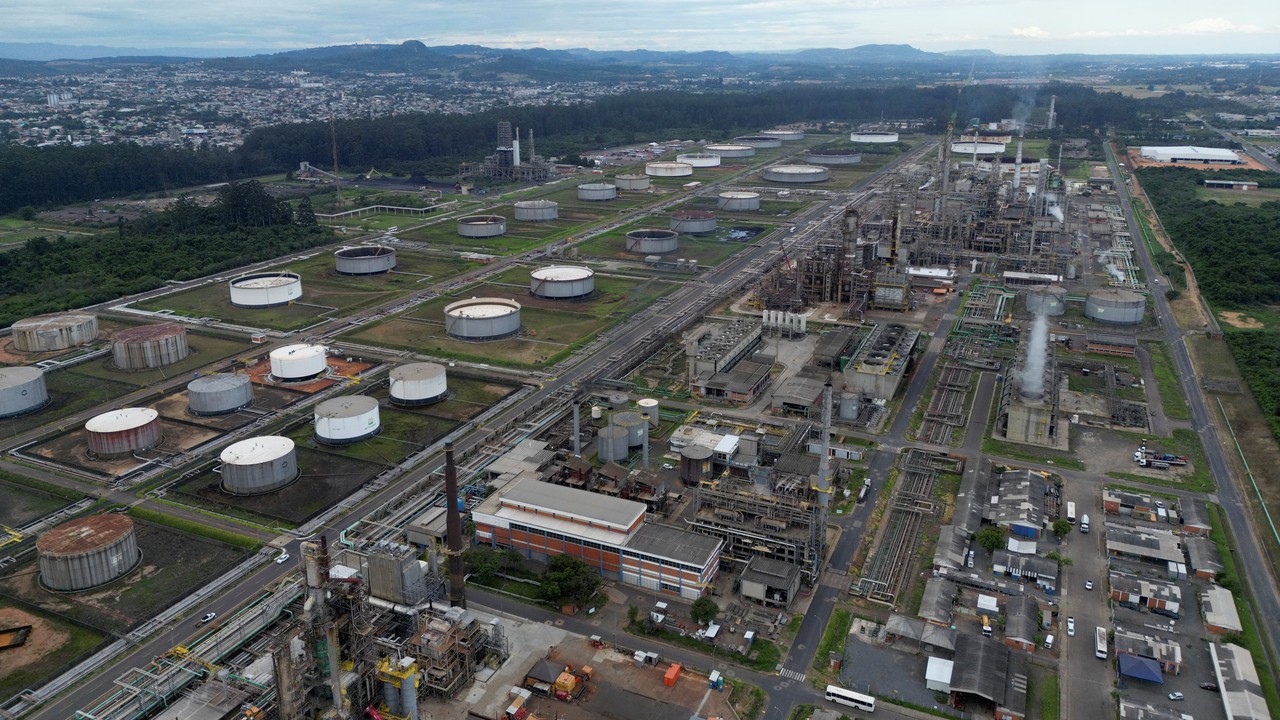
With a record production of nearly 3 million barrels per day, Petrobras resumes importing diesel in July, highlighting the bottleneck in Brazilian refining.


The new agency is part of the National Secretariat for Oil, Natural Gas and Biofuels and is tasked with formulating, executing, and monitoring public policies related to LPG.
Additionally, the department will promote the concept of clean cooking, aligned with the United Nations (UN) Sustainable Development Goals, focusing on health, the environment, and food security.
It is estimated that more than 15 million families, representing about 50 million Brazilians, will be directly benefited by this social policy.
The Gas for the People Program and Sustainable Energy Inclusion
The public policy Gas for the People was created to replace and improve the old Gas Aid, ensuring that the benefit reaches the end consumer at the time of purchasing the refill.
The Liquefied Petroleum Gas (LPG) is essential for food preparation and domestic hygiene, being considered a basic service for quality of life.
By offering total free refills of the cylinders, the program avoids intermediaries, ensures the proper allocation of resources, and increases the efficiency in combating energy poverty in the country.
With the new department, the MME aims to ensure that the supplying of LPG is accompanied by actions of transparency, control, and social impact assessment, reinforcing the integration between government, civil society, and the productive sector.
Liquefied Petroleum Gas (LPG) Promotes Clean Cooking and Benefits to Public Health
The promotion of clean cooking is one of the pillars of the new structure. Liquefied petroleum gas, when used as a substitute for firewood or charcoal, drastically reduces indoor emissions of pollutants and improves air quality within homes.
Studies indicate that the use of firewood is associated with an increase in respiratory diseases, especially in children and the elderly.
With the advancement of the Gas for the People program, the MME seeks to reduce these impacts, promoting a more equitable and sustainable energy transition for low-income communities.
Social Development, Sustainability, and Circular Economy
The new Department of Social Policies for LPG will also work on collecting data on consumption, infrastructure, and distribution logistics.
This information will serve as a basis to improve public management and attract investments in the sector.
The Liquefied Petroleum Gas (LPG), in addition to generating environmental benefits, strengthens regional production chains and contributes to food security, ensuring that millions of Brazilian households have continuous and safe access to cooking gas.
This integration of social and energy policies symbolizes an important advancement in the national sustainability agenda, stimulating innovation, inclusion, and energy efficiency.