





 Portuguese
  English
  Spanish
  5 min of reading
  0 comments


The renewable energy project in Gujarat promises 18 million homes served, but reports expose extreme heat, delayed wages, long shifts, and precarious accommodations
Migrant workers left the world’s largest renewable energy park in India after facing extreme heat, 12-hour shifts, delayed wages, and precarious accommodations in the Rann of Kutch, Gujarat.
The information was published by The Guardian, a British newspaper with international development coverage, on September 11, 2025. The project is still under construction and is expected to be completed in 2028, with a promise to supply 18 million homes.
The case draws attention because it shows the other side of the energy transition. The same project that symbolizes clean energy also exposes reports of workers who traveled far in search of income and ended up returning home without the expected payment.
-
Taiwanese fishermen accepted offshore wind turbines in the name of clean energy, but now they say that old routes have disappeared, fish have decreased, and income has become uncertain on the coast.

-
Europe wants to hold onto the black powder from used batteries because this dark residue contains valuable metals, can supply up to 1 million electric cars per year, and has become an industrial dispute.
-
Study by Global Project Tracker reveals: While major economies compete for climate leadership, Brazil gathers a potential of US$ 306 billion in sustainable industrial projects and advances in the production of SAF and green aluminum, attracting international capital and strengthening its global strategic position.
-
Brazil may fall behind, and irreversibly so, in the global technological race involving the implementation of Data Centers and investments in Artificial Intelligence (AI). Much smaller but more agile economies, such as those of Argentina and Paraguay, have taken the lead.




Project in the Rann of Kutch promises clean energy for millions of homes
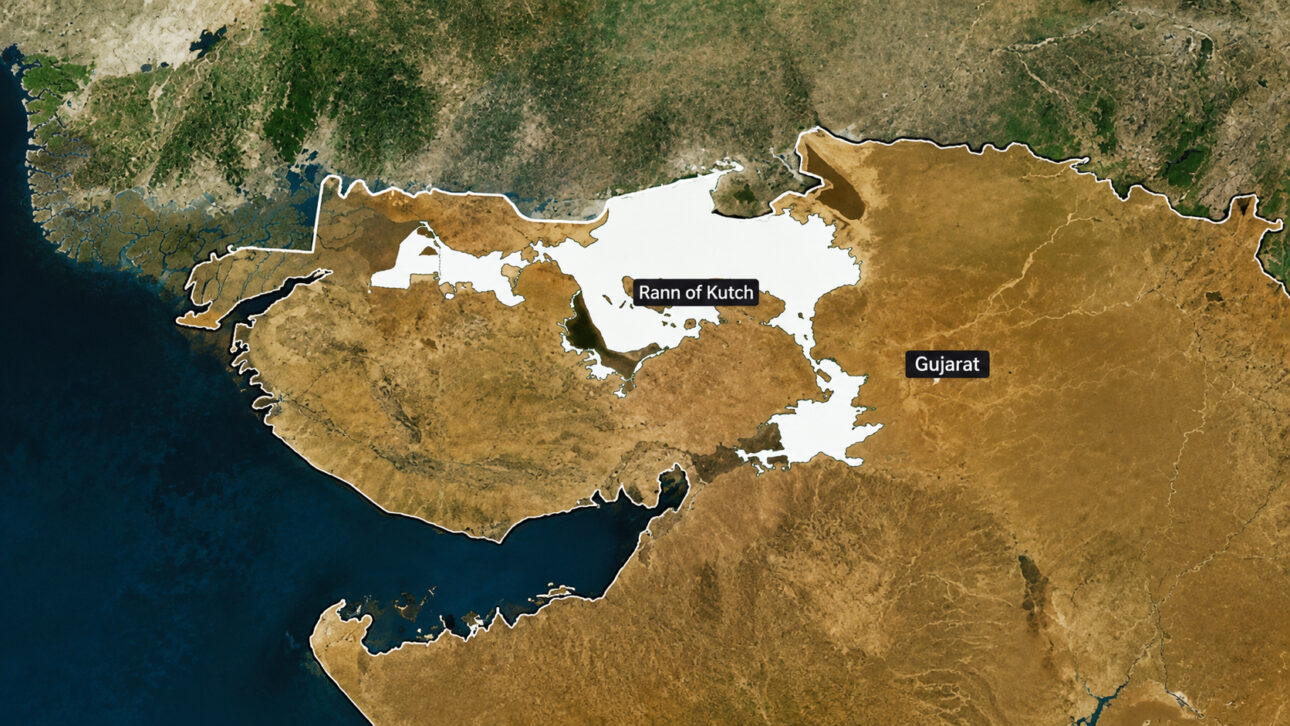
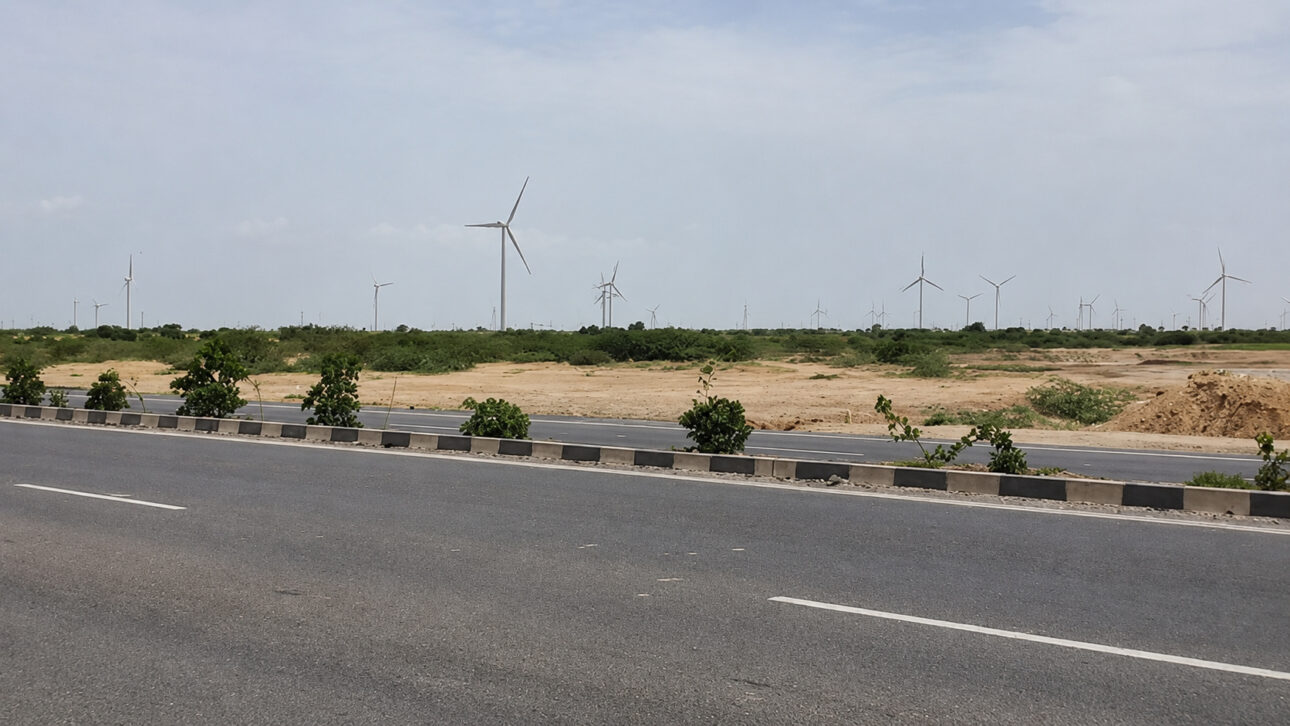
The park is located in the Rann of Kutch, a region in Gujarat, India, marked by strong heat, salty terrain, and a great distance from urban areas. There, migrant workers are involved in the construction of solar and wind projects.
The project is regarded as the largest renewable energy park in the world. When completed in 2028, the structure will be able to supply about 18 million homes.
In practice, renewable energy is electricity generated from sources that renew themselves in nature, such as sun and wind. The problem is that building this infrastructure depends on thousands of people in difficult sites, far from home and under pressure.
Migrant workers reported extreme heat, little structure, and 12-hour shifts
The Guardian, a British newspaper with international development coverage, recorded reports of workers who arrived at the site attracted by promises of salaries, benefits, and constant employment in the solar sector.
Many came from regions such as Bihar, Jharkhand, and Uttar Pradesh. For these workers, migrating means leaving their families behind and trying to earn more money in another state.
Anawar Alam, a migrant worker of 22 years, reported that the work was heavy, the shifts were 12 hours long, and the housing was in makeshift tents. He also stated that the bigger problem was not receiving payment on time or in full.
Delayed salaries weighed more than the promise of employment in the solar sector
Delayed salary changes everything for those who leave home in search of income. The expected money is meant to support the family, pay debts, buy food, and cover the travel expenses.
In Anawar Alam’s case, the situation became so difficult that he had to ask his father for 30,000 rupees to be able to leave the construction area. Later, he returned home without the promised earnings.
Sikander Kumar, a worker from Jharkhand, also left the project after two months. He and the group walked 20km to find transportation to the station and take the train back.
Precarious accommodations and lack of clean water worsened the routine at the construction site
The reports also show basic housing problems. Workers spoke of makeshift tents, difficulty in obtaining potable water, and lack of electricity at the place where they were housed.
For those in a hot and isolated area, clean water is not a detail. It is essential for drinking, cooking, bathing, and enduring long shifts.
This point makes the contrast even stronger. The construction promises large-scale clean energy, but some workers reported not having adequate access to simple items during the construction.
Chain of contractors made it difficult to claim labor rights
The construction involves companies, recruiters, contractors, and teams spread across the site. For the average worker, this chain can make it difficult to claim when there is a salary delay or housing problem.
In large constructions, one company may hire another, which calls workers through intermediaries. This creates a distance between those who perform the service and those who release payment or solve problems.
Migrants also face an extra difficulty. Many do not know the ways to complain, do not master the local language, and after returning home, cannot come back to follow up on the case.
Clean energy does not eliminate the need for decent work
Renewable energy often appears as a way to reduce pollution and expand the electricity supply. Even so, the case in Gujarat shows that a green project cannot ignore those who build the structure.
Decent work means fair payment, a safe place, rest, clean water, and adequate housing. Without this, the environmental promise loses strength for those living the reality of the construction site.
The central point is simple. Clean energy can help millions of homes, but building this energy also needs to respect workers who spend months away from their families.
Project continues under construction and exposes a larger debate on the energy transition
The world’s largest renewable energy park in India is still under construction and is expected to be completed by 2028. The promise to supply 18 million homes shows the scale of the country’s bet on clean energy.
At the same time, reports of extreme heat, delayed wages, 12-hour shifts, and poor accommodations reveal a difficult question. Can the energy transition grow without repeating old problems of hard labor?
History shows that large projects are not made only with solar panels, turbines, and energy targets. They also depend on people who need to be paid, rest, drink clean water, and return home with dignity.
Do you believe that a clean energy project should also be held accountable for the working conditions of those who build it? Leave your opinion in the comments and share this topic.


Be the first to react!