






 Portuguese
  Spanish


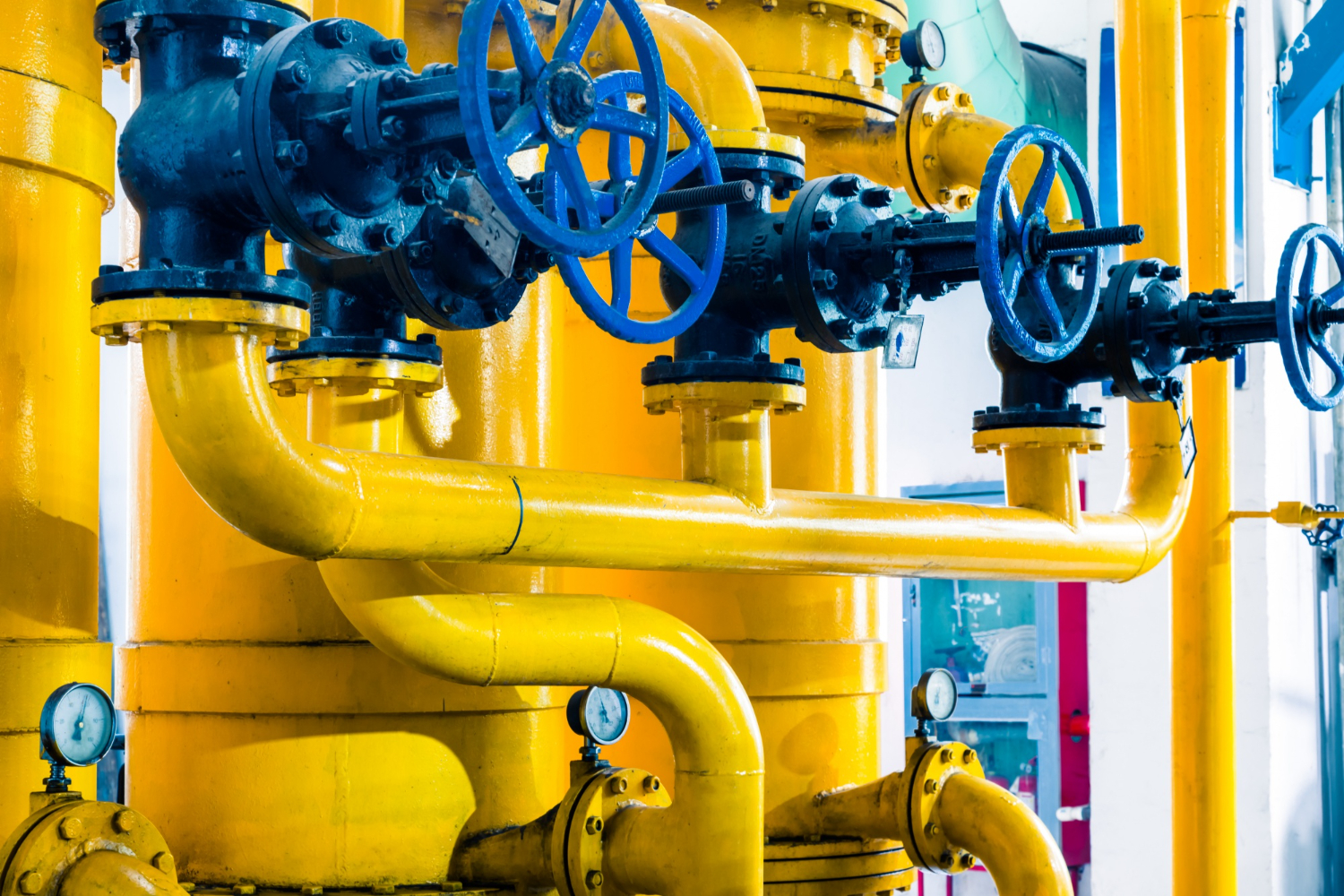

The ANP Discusses Changes in Natural Gas Transportation Tariffs, Focusing on Regulatory Efficiency, Investment Incentives, and Strengthening the National Energy Market
The natural gas has taken on a strategic role in the Brazilian energy landscape, and recent movements by the National Agency of Petroleum, Natural Gas and Biofuels (ANP) reinforce this importance, according to a report published.
On October 8, the ANP held the first session of a public hearing aimed at discussing new rules for calculating transportation tariffs in gas pipelines.
The initiative aims to improve ANP Resolution No. 15/2014, in alignment with the New Gas Law and the guidelines of CNPE Resolution No. 3/2022.
-
With a record production of nearly 3 million barrels per day, Petrobras resumes importing diesel in July, highlighting the bottleneck in Brazilian refining.

-
Farmer Revives Arid, Abandoned Land in Brazil’s Bahia into Thriving Forest, Demonstrates How ‘Syntropic Agriculture’ Can Transform Rural Futures

-
Study Reveals 40% of Brazilians Unaware of Circular Economy, Highlighting Challenges in Sustainable Transition and Recycling Expansion
-
Brazilian Startup Converts Rain into Potable Water Without Chemicals, Surpasses 10 Million Liters, Joins $1.2 Million Project to Bring Simple Technology to Drought-Stricken Areas in Northeast Brazil



In light of the high number of participants, a second session has been scheduled for October 15 at 9 AM.
The proposal seeks to create a solid business environment, stimulating investments in infrastructure and ensuring greater tariff efficiency, transparency, and competitiveness in the natural gas transportation sector.
Review of Regulations and Impact on Natural Gas Transportation Tariffs
The draft presented by the ANP proposes significant adjustments to the tariff structure and the calculation criteria applied to gas pipelines.
Among the main changes are the shift from a concession grant regime to authorization, and the introduction of an entry and exit tariff model, which will allow for more flexible contracts.
The proposal also redefines the concept of maximum allowed revenue (RMP) and details the methodology for valuing the Regulatory Asset Base (BRA).
This update considers the depreciated historical cost, adjusted for inflation, ensuring that the values more accurately reflect the investment made.
In addition, the tariff multipliers provide greater predictability to the market, which tends to strengthen the business environment and attract new players to the natural gas transportation sector.
Market Opening Focused on Investments in Energy Infrastructure
During the hearing, ANP director Symone Araújo highlighted that the review process will occur in two phases.
The first, currently underway, focuses on priority issues identified in previous public consultations; the second phase is scheduled for 2026 and will address topics such as incentive regulation and investment typologies.
The goal is to build a modern and stable regulatory framework that encourages investments in energy infrastructure.
The resolution draft received 513 contributions from 42 participants during the 60-day public consultation, highlighting the market’s interest in participating in shaping the future of the natural gas sector.
These suggestions will be evaluated by the technical area of the ANP and subsequently analyzed by the Federal Prosecutor’s Office and the collegiate board before the final publication.
Regulatory Transparency and Strengthening of the Competitive Natural Gas Market in Brazil
The update proposed by the ANP aims to enhance transparency and ensure equitable access to the pipeline system.
The revision of the rules regarding the regulatory account, which measures the difference between RMP and the effective revenue of the carriers, reinforces control and clarity over transportation costs.
With fairer and more predictable tariffs, the Agency seeks to promote a favorable environment for competition, encouraging the entry of new operators and optimizing the use of existing infrastructure.
Thus, natural gas gains space as an essential vector for the national energy development, strengthening its relevance in a low-carbon and more efficient economy.








