Portuguese
  Spanish


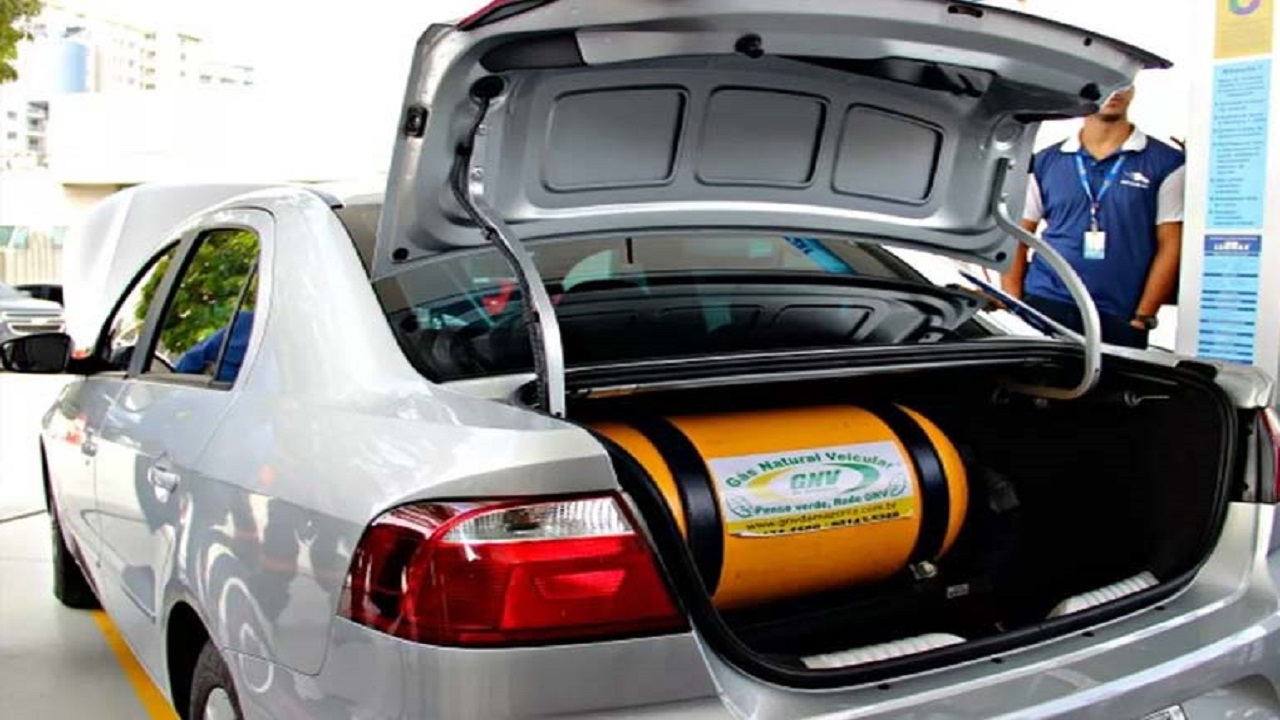

The Company Believes That With The Freezing Of The Vehicle Natural Gas (GNV) Tariff, The State Of Minas Gerais Will Have More Attractive Prices, Encouraging Drivers To Use The Fuel
The Gas Company of Minas Gerais (Gasmig) announced this week that it intends to freeze the tax-exempt tariff for Vehicle Natural Gas, GNV. This decision will take effect on November 1st and will last for approximately 90 days. According to Gasmig data, savings could reach 50% for those using vehicle natural gas, especially new users of the fuel.
See Also
GNV Tariff To Be Adjusted To Facilitate Acquisition
According to Gasmig’s president, Pedro Magalhães, this initiative will benefit GNV consumers. However, the industrial sector will see a 2.45% adjustment.
This tariff adjustment for GNV, according to Pedro Magalhães, occurs due to the increase in gas sales, linked to the dollar exchange rate and higher spending within the industrial sector.
-
Oil production grows in Rio, but reserve replacement raises a warning sign

-
Petrobras is expected to complete the drilling of the Morpho well in the Foz do Amazonas in August 2026, the first well in the Equatorial Margin, an oil frontier that the ANP estimates at more than 30 billion barrels and could redraw the map of Brazil.

-
Oil returns to the center of concerns with tension between the US and Iran

-
IEA reduces forecast for global oil demand in 2026 after impacts of the Middle East crisis


Magalhães states that the solution for vehicle owners facing problems with rising fuel prices is the use of natural gas, as it is a much more economical option. Additionally, there is no risk of supply shortages for consumers.
GNV As An Alternative For Fueling Vehicles Amid Supply Crisis
The state of Minas Gerais has approximately 43,000 vehicles using natural gas. The average cost for installing the equipment, according to Pedro Magalhães, will depend on the vehicle’s power, ranging between R$ 4,000 and R$ 5,000.
Approximately 600 vehicles are modified monthly in Minas Gerais to accommodate this innovative fuel. Gasmig’s current goal is to increase this number to an estimated 1,000 per month by the end of 2022.
In Magalhães’ opinion, the current scenario indicates a shift in drivers’ perceptions, who are seeking a new fuel option that does not strain their budget and is more attractively priced. The prices of liquid fuels are currently impacting those who work and need vehicles for transportation.
Impact Of Freezing GNV Tariffs And Investment In Special Refueling Stations
The impact generated by the freezing of GNV tariffs, according to Gasmig’s president, will be assessed by the consumers themselves. In a survey conducted by Gasmig, the average price per cubic meter of natural gas in Belo Horizonte and Contagem, the metropolitan area of the capital, is R$ 4.29, below the average price of ethanol, which is R$ 4.88, and gasoline, currently costing around R$ 6.49.
In addition to GNV being widely used in vehicles, the fuel can also be utilized in houses and apartments. In the state, approximately 70,000 residences are supplied with natural gas.
Magalhães emphasizes that the company has significant potential to serve many more residences in Minas Gerais, as they have yet to tap into even 10% of the company’s full potential. Gasmig is currently investing in the establishment of specialized stations to refuel vehicles with natural gas along highways in Minas Gerais.