Portuguese
  Spanish


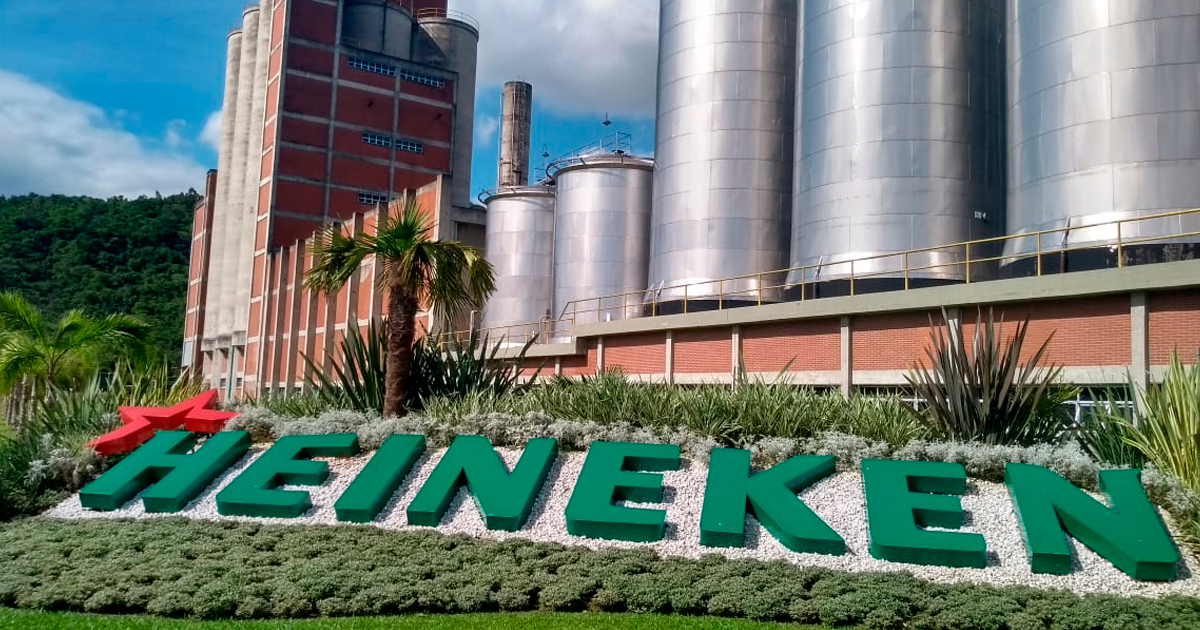

The Construction of Heineken’s Factory in Minas Gerais May Cause Damage to the Region Where the Oldest Human Fossil in the Americas Was Found
Yesterday, Tuesday (09/21), the Chico Mendes Institute for Biodiversity Conservation (ICMBio) embargoed the area where the Heineken brewery factory would operate in Pedro Leopoldo, in the Metropolitan Region of Belo Horizonte, Minas Gerais. The project, which aims to produce 760 million liters per year, would cause harm to the area where the most significant human fossil in the Americas, known as “Luzia,” was found. Also read: Pharmaceutical company will invest R$ 70 million for the construction of a new factory in Minas Gerais
- Multinational 3M opens dozens of home office internship positions for university students
- Unifap opens 5,100 vacancies in free courses in languages, sign language, and entrepreneurship
- After Embraer and Azul, Gol Linhas Aéreas plans to buy 250 flying electric cars
- Possible default by the giant Chinese multinational Evergrande may impact Brazil’s agribusiness
- A new locomotive factory will be built in Macaé by a Belgian multinational. The project will create 100 jobs in the region
Suspension of the Construction of Heineken’s Factory in Minas Gerais
The threat of burying the complex of grottos and caves where the oldest skeleton in South America—the skull of Luzia—was found led ICMBio (Chico Mendes Institute for Biodiversity Conservation) to suspend the construction of a Heineken brewery factory in Pedro Leopoldo, in the metropolitan region of Belo Horizonte. The Ministry of the Environment agency also sent a letter to the state government, which had already granted the preliminary license for construction, and imposed two fines on the company totaling R$ 83,000.
The construction of the factory had even been used by Governor Romeu Zema (Novo) as a political banner. When he announced the agreement with the brewery, the politician posted a video on social media praising the attraction of a R$ 1.8 billion investment for the state. One of Zema’s secretaries highlighted the “dynamic” nature of the government in convincing Heineken to build the factory in Pedro Leopoldo, located 40 kilometers from Belo Horizonte, in Minas Gerais.
-
U.S. City Builds Tiny Home Village on Water Company Land to House 136 Homeless People: Inside the Social Housing Units

-
Woman Turns Shipping Container into Home, Embraces Rural Life to Cut Monthly Expenses to Just Over $330
-
France Revamps 530 Social Housing Units with Large Balconies and Glass Facades Without Demolishing Existing Buildings

-
Facing high rent, couple transforms parents’ garage into a fully functional apartment, creating a complete home at a fraction of the market cost.




Impacts on the Environmental Protection Area
ICMBio inspectors say, “The impacts [on the Carste Lagoa Santa Environmental Protection Area, adjacent to the factory construction] are unknown and unpredictable,” as the studies presented by Heineken and approved by the Minas Gerais government for the new factory are flawed.
The Lapa Vermelha 4 cave, where Luzia’s skull was found, may be “fatally affected” by the future factory, the inspectors continue. The agency classifies the granting of the environmental license by the state government as “a serious failure.” ICMBio states that no studies were presented to determine how the construction of the factory would affect the water drainage dynamics. One of the water sources for beer production is from underground, with a volume of 310m³ per hour, enough to supply a city of 37,000 inhabitants. “The withdrawal of water from the underground may have harmful consequences for the environment,” states ICMBio’s note.
Some Details of the New Heineken Factory in Minas Gerais
This facility is the first Heineken factory fully built in Brazil; all other 15 production units owned by the multinational in the country were acquired during the purchase of Brasil Kirin in 2017, which in turn owned the breweries that were once part of Schincariol. Six months after the official announcement of a Heineken factory’s installation in the state, the company is waiting for the issuance of licenses from the Minas Gerais State Secretariat for the Environment and Sustainable Development.
In May, it was reported that Heineken had already acquired land from the Development Bank of Minas Gerais (BDMG), had purchased an area from Precon Engenharia, and was negotiating others nearby. At the time, the company did not comment on the matter, but the report had access to documents and information indicating that the construction would take place near where the project was proposed. A source related to the negotiations, who requested to remain anonymous, detailed that the installation of the brewery will occur at the junction of four lots.