






 Portuguese
  Spanish
  3 min of reading
  0 comments


Mercedes-Benz Adopts Mixed Strategy: Company Revises Electrification Plan and Reinvests in Gasoline (Combustion) Engines to Face Stricter Emission Standards
Mercedes-Benz, traditionally known for its innovation in the automotive sector, is revising its electrification plans and directing significant investment towards the maintenance and upgrade of its combustion engines. CEO Ola Källenius revealed that the company has already spent approximately 14 billion euros (equivalent to R$ 83.6 billion) in 2024, exceeding the initial budget to keep these engines running until the end of the decade, according to Quatro Rodas.
Billion-Dollar Investment in Combustion Engines
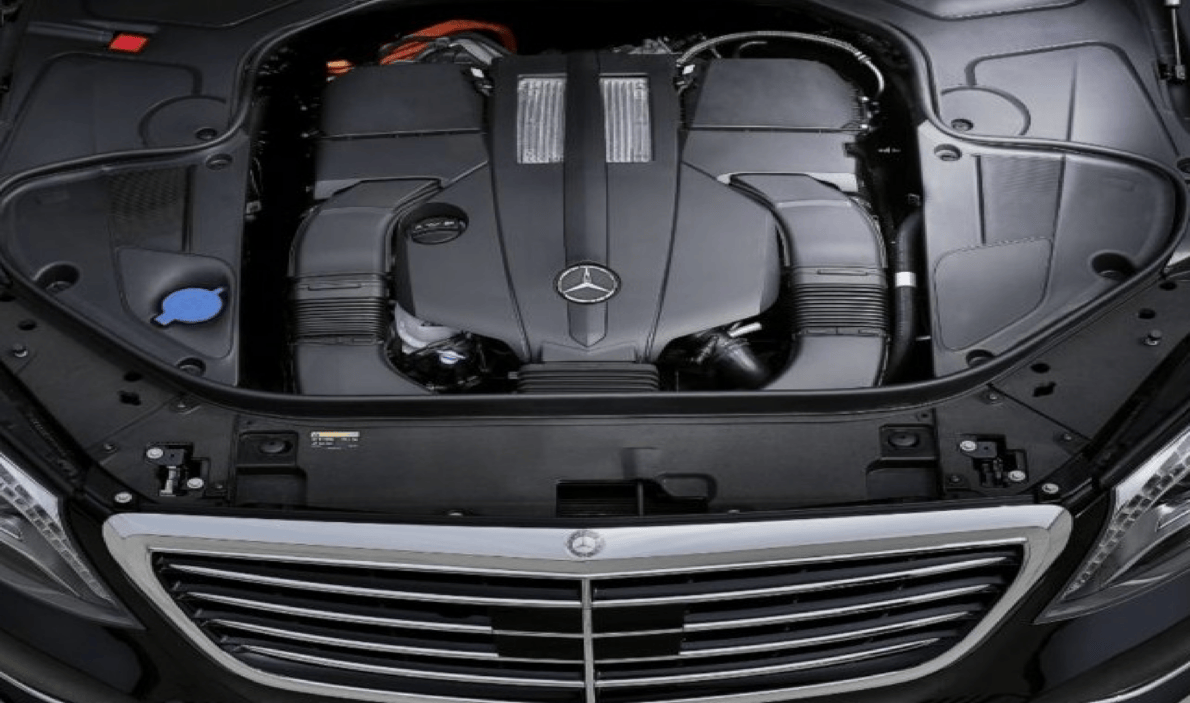
In an interview with the German magazine Wirtschaftswoche, Källenius explained that a substantial part of this investment in gasoline engines has been directed towards upgrading the engines of the S-Class. “We are investing much more in the engine upgrade than we would normally spend on a facelift,” the CEO stressed. Without this significant investment, Mercedes-Benz would risk halting its combustion engine business between 2027 and 2028. The company recognizes the ongoing importance of these gasoline engines for at least the next decade.
Emission Standards and Emergency Planning
This emergency planning Aims to Avoid Heavy Fines that could arise with the implementation of Euro 7 and China 7 standards. To ensure that its new gasoline vehicles comply with these legislations, Mercedes-Benz is updating relevant engine and transmission combinations, rather than relying solely on electric vehicles.
-
Uber Faces Shareholder Scrutiny as Board Accused of Ignoring Safety, Compliance, and Harassment Warnings Amid Over 3,500 U.S. Lawsuits

-
Ferrari’s First Electric Car Divides Fans, Priced at $630,000, Amid Concerns Over Limited Editions; Brand Clarifies It’s Not Just for Future Perks
-
BYD Dolphin Mini: The Electric Car That Defies Depreciation, Losing Only 3.58% in a Year and Becoming the Best-Selling Retail Model Under $22,000

-
Electric Car JAC E-JS4 Loses $19,000 in Value in One Year, Leading Record Depreciation of Used Cars in Brazil Due to Expensive Battery and New Models


This change in combustion strategy will have a significant impact on the automaker’s electrification plans. Initially, Mercedes-Benz aimed for 50% of its annual sales to consist of electric and plug-in hybrid vehicles by 2025. However, with the new allocation of resources, it is possible that this target will not be met on schedule. The ambition to become 100% electric by 2030 is also under review, with expectations that this goal will be postponed to the end of this decade.
Gigafactories and EQS Platform
In addition to the electrification goals, some specific projects at Mercedes-Benz will also face delays. The eight battery gigafactories, planned to strengthen the company’s electric vehicle infrastructure, will be completed later than initially expected. However, Källenius dismissed rumors about the cancellation of the development of a new platform for the EQS. “The project is running at full speed,” he stated.
Mercedes-Benz continues to invest in the development of new technologies for electric vehicles, despite its investment in gasoline engines. The partnership with Geely, for example, brings the possibility of an EQS with range extender, leveraging Geely’s expertise in hybrid powertrains. Recent reports, however, indicate that testing of an EQS equipped with a 1.0 turbo two-cylinder engine was supposedly halted, but the company has not confirmed these rumors.
Mercedes-Benz and Carbon Neutrality
Despite adjustments to its electrification timeline, Mercedes-Benz maintains its commitment to sustainability. The main objective of the automaker remains carbon neutrality by 2040. This commitment reflects the company’s strategy of balancing technological innovation with the need to adapt to global regulatory demands.
Mercedes-Benz’s decision to heavily invest in upgrading combustion engines, while adjusting its electrification plans, highlights the complexity and challenges faced by automakers in a transitioning energy landscape. By adopting a mixed approach, Mercedes-Benz aims to ensure compliance with emission standards while continuing to advance towards a more sustainable future.





Be the first to react!