






 Portuguese
  Spanish


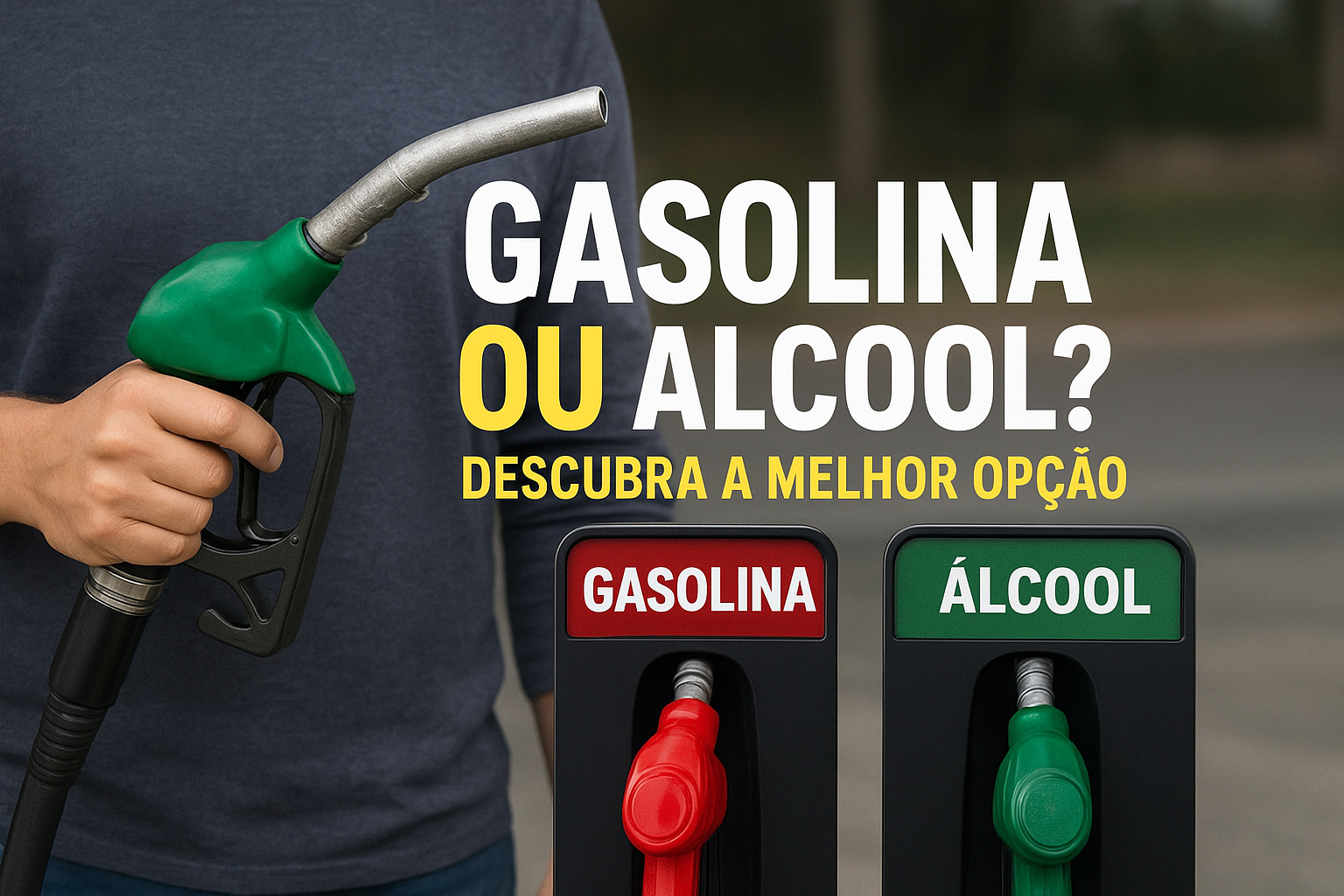


Gasoline or Ethanol? Use the 70% Rule and Find Out Which Option Is Worth It to Save on Fuel in Brazil.
Gasoline or Ethanol: Brazilians Seek the Best Option to Save
With the constant ups and downs of fuel prices, millions of drivers in Brazil are asking themselves the same question: gasoline or ethanol, which is more worthwhile?
The answer, according to experts, depends on a simple calculation, known as the 70% rule, which helps identify the best choice for your wallet.
The tool recently launched by g1 allows consumers to compare prices practically. By entering the price of gasoline and ethanol, the calculator shows which option has better cost-benefit.
-
Drivers are falling for these scams without realizing: operation reveals closed gas stations, adulterated fuel, and hidden losses when refueling.

-
New Fiat EV, priced at R$ 77,000, will bring a reinterpretation of the 147 and a consumption equivalent to 70 km/l.

-
Petrobras surprises the market by cutting diesel by R$ 0.35 per liter, and the decision may ease the tax impact for drivers and transport companies.
-
Gasoline at R$ 4.99 makes drivers wait more than an hour at Havan gas stations in Santa Catarina, during a “zero tax” promotion with a limit of 15 liters per car and 25,000 liters available across five units of the network.





The initiative emerged at a time when prices vary greatly between regions of the country, directly affecting the economy of Brazilians.
Understand How the Calculation That Helps Save Works
The logic behind the calculation is quite straightforward. Gasoline generally provides more mileage per liter than ethanol. Therefore, experts indicate that ethanol is only worthwhile if it costs up to 70% of the price of gasoline.
For example: if the price of gasoline is R$ 6.00, ethanol needs to cost up to R$ 4.20 to be more advantageous. If it is above this value, the better option becomes gasoline.
In practice, the g1 calculator does exactly that. When the driver inputs the price of ethanol, the value is divided by 0.70.
In the case of gasoline, the price is multiplied by 0.70. This way, the comparison becomes clear and quick, helping to make more informed and economical decisions.
Regional Differences Influence the Choice
Fuel prices vary greatly from one region to another in Brazil. Recent data from the National Agency of Petroleum, Natural Gas and Biofuels (ANP) show significant discrepancies in prices between states.
This variation means that, in certain places, ethanol is the better option, while in others, gasoline proves to be more economical.
Therefore, understanding the 70% rule and keeping track of local prices is essential to save on fueling.
Choosing Wisely Helps Ease the Burden on Your Wallet
With the rising cost of living and the instability of prices at gas stations, refueling intelligently is an effective way to protect the household budget. Comparing gasoline and ethanol is no longer just a common question — it has become a real savings strategy.
In addition to the calculator, drivers can keep up with weekly reports from the ANP to identify the best time to refuel.
Thus, small habit changes, such as refueling on cooler days or choosing stations with lower prices, also help make a difference at the end of the month.
Simple Rule, Real Impact
The 70% rule has established itself as a practical tool for those who want to spend less. Even with variations in consumption among vehicles, it provides a solid foundation for quick and efficient decisions.
In times of economic uncertainty, choosing the right fuel can represent significant savings over the year.
Therefore, whether with gasoline or ethanol, understanding the calculation and observing the market is essential to make the best choice in Brazil.


Nossa Gasolina hoje é uma mistura de 70% de gasolina e 30% de etanol anidro.
Essa conta tem que ser revista. Para um carro Flex, tem que sempre vai ser vantagem colocar etanol kkkk