Portuguese
  Spanish


Solar Distributed Generation Advances and Surpasses 100 MW of Installed Capacity in All States of the Country, Demonstrating the Strength of Clean Energy in Each Brazilian Region.
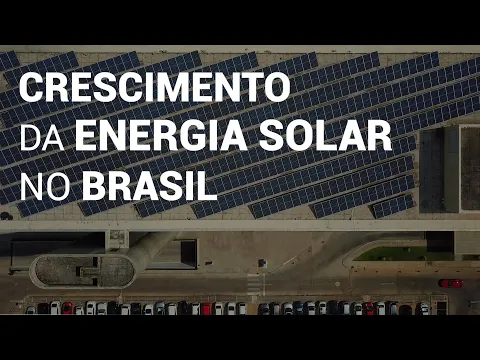
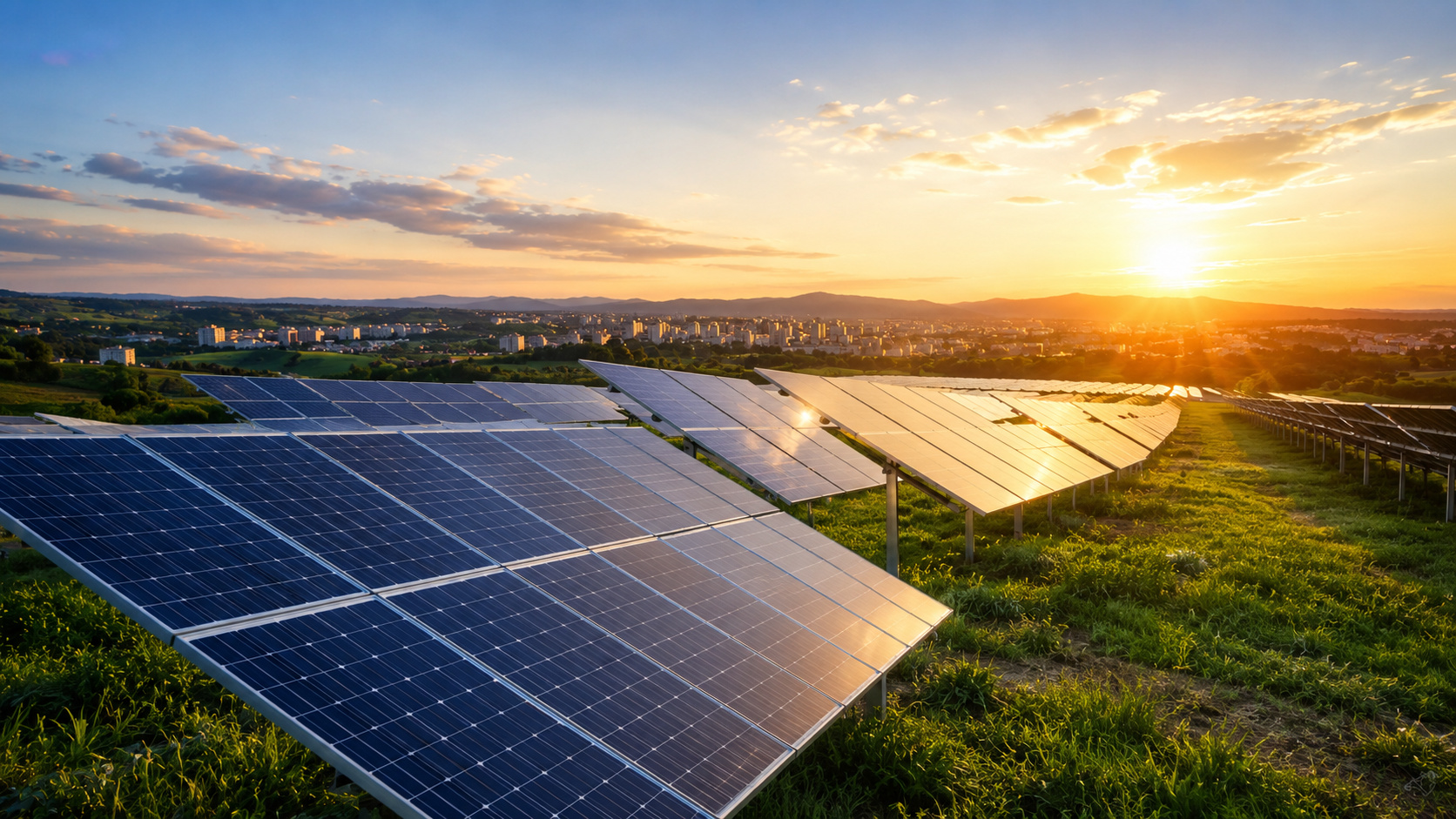
Solar energy in Brazil has been growing consistently in recent years, mainly through distributed generation, known as DG. According to updated data from the National Electric Energy Agency (ANEEL), all states in the country have surpassed the mark of 100 megawatts (MW) in installed capacity of photovoltaic systems. This milestone represents an important change in the way Brazil produces, consumes, and distributes electricity.
Roraima, located in the North region, was the last state to reach this volume. Although this occurred late compared to other regions, the data symbolizes the advancement of solar energy towards equity. The source overcomes economic and geographical barriers. Therefore, small towns and rural areas are now becoming the protagonists of the Brazilian energy transition.
Solar DG allows consumers to generate their own electricity using solar panels. These devices are mainly installed on residential rooftops, businesses, rural properties, or small enterprises. The surplus returns to the electricity grid, which generates credits and reduces the electricity bill. Thus, residential consumers lead this adoption. Currently, they account for more than 20 gigawatts (GW) of installed capacity — double that of the commercial segment.
-
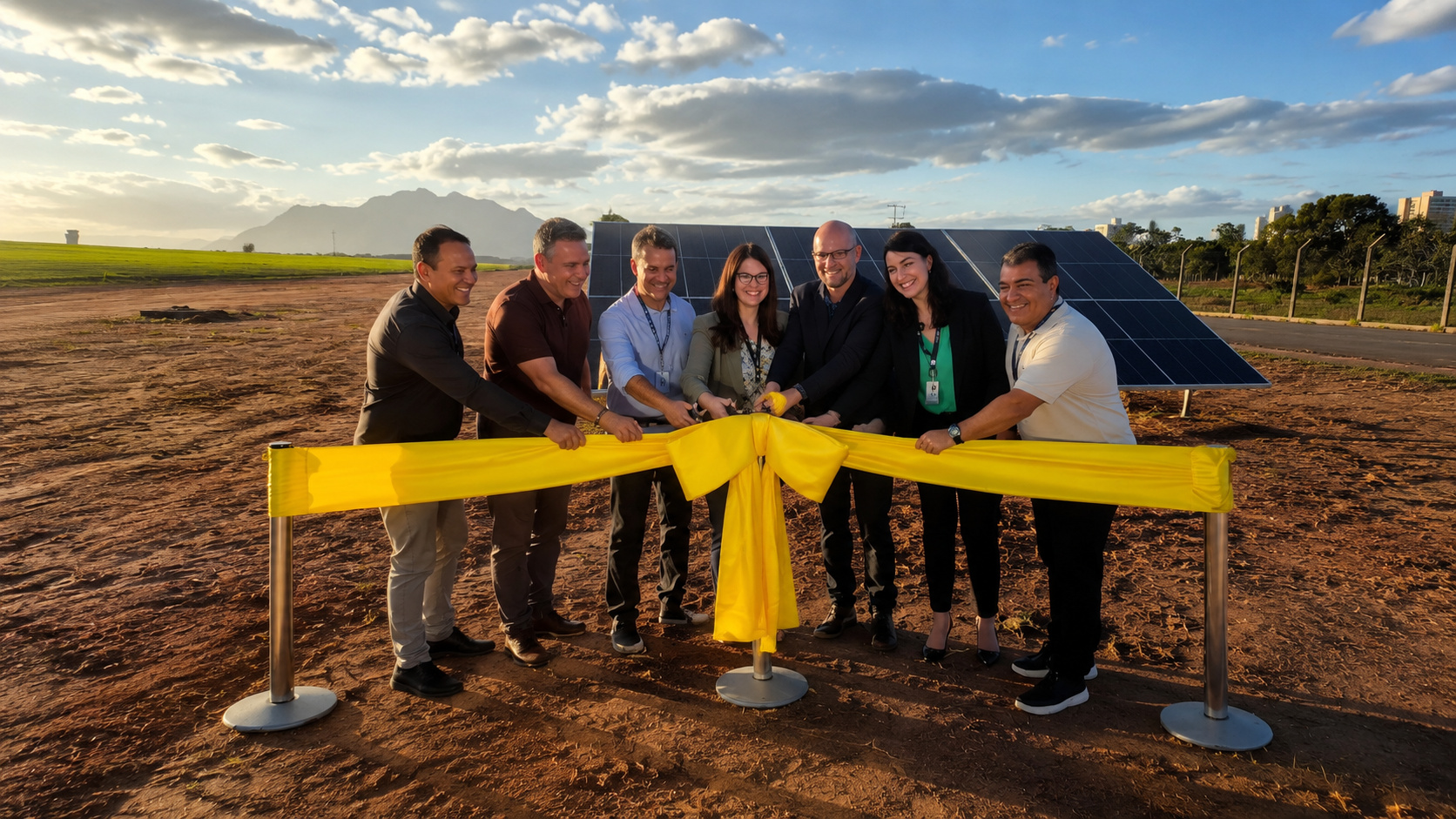
Brazil’s Vitória Airport to Launch Solar Plant Covering Area of 10 Soccer Fields, Boosting Clean Energy and Cutting Costs

-
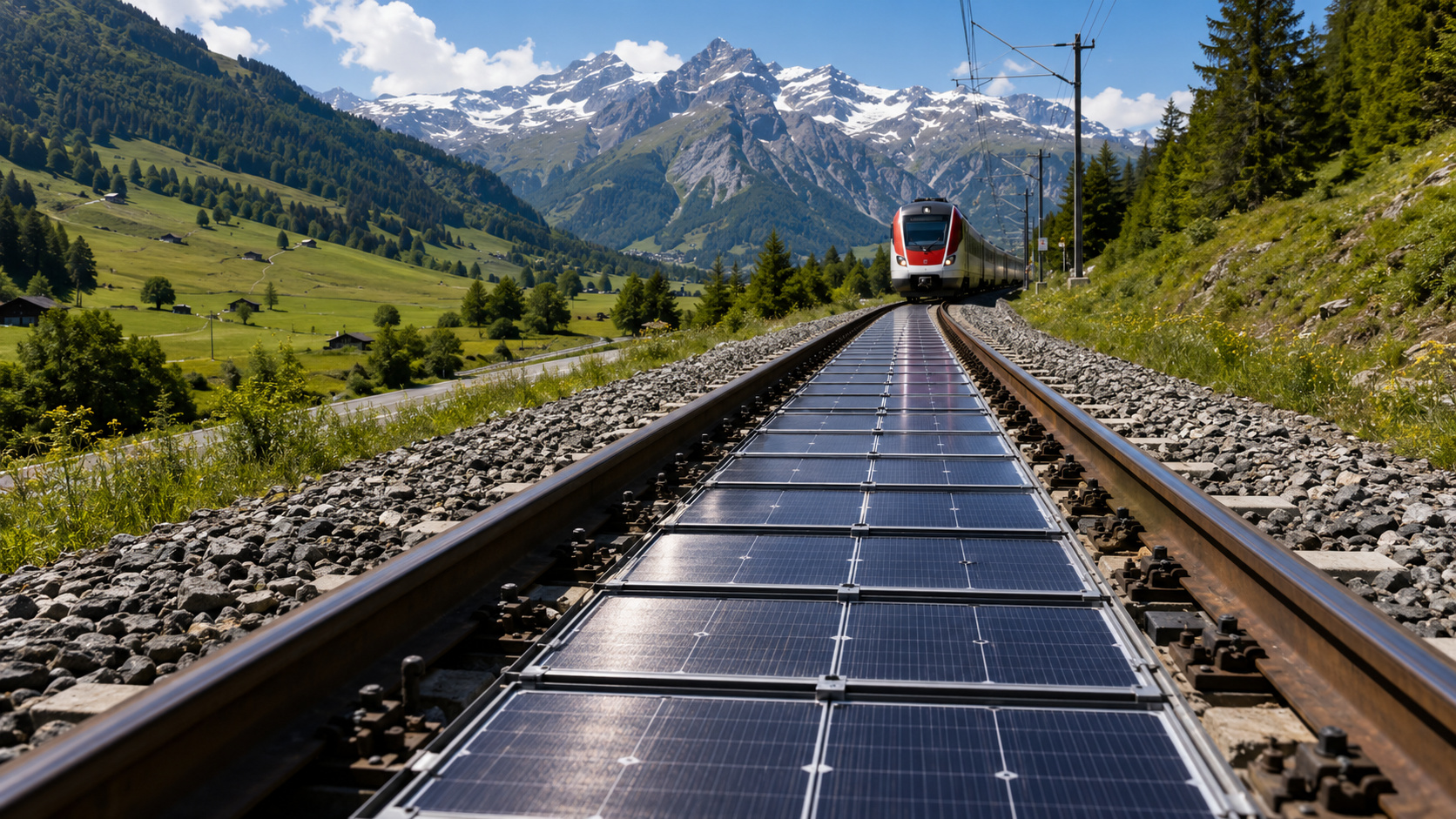
Switzerland Converts Train Tracks into Solar Power Plants with Removable Panels to Generate Energy Without Using Additional Land
-
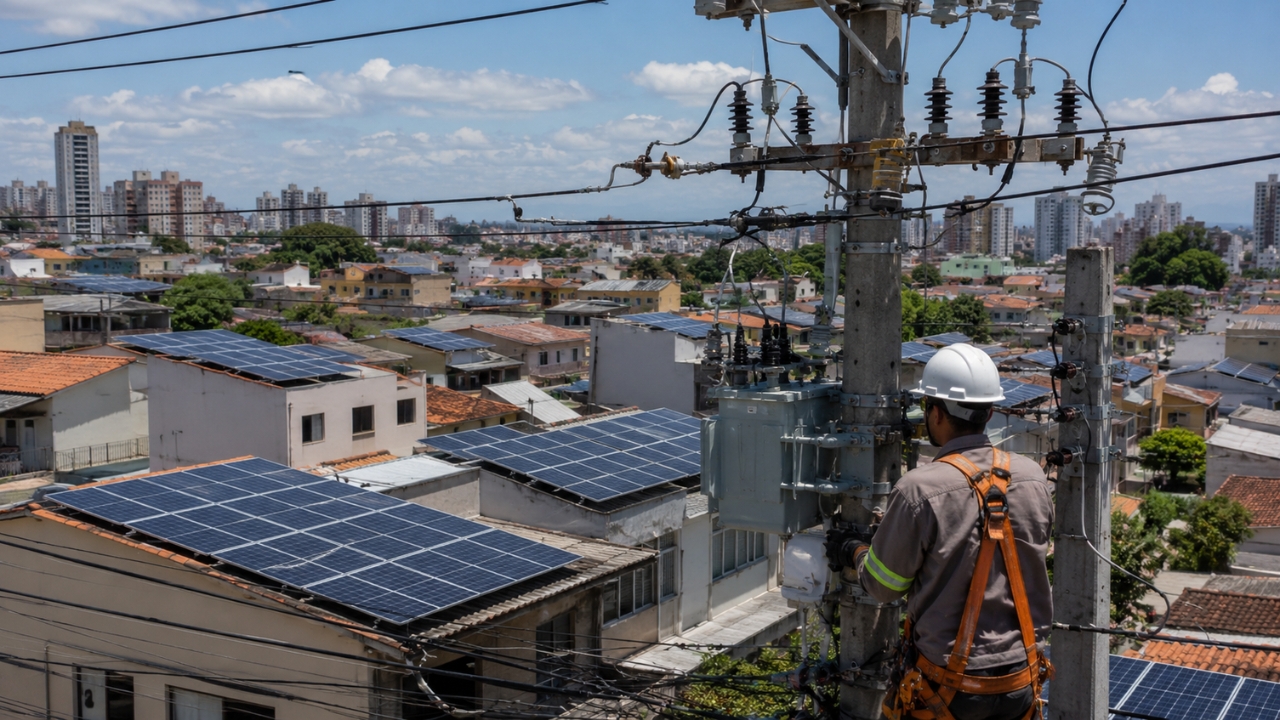
Surge in Solar-Powered Homes in Brazil Leads to Grid Strain and Connection Restrictions in Three States

-
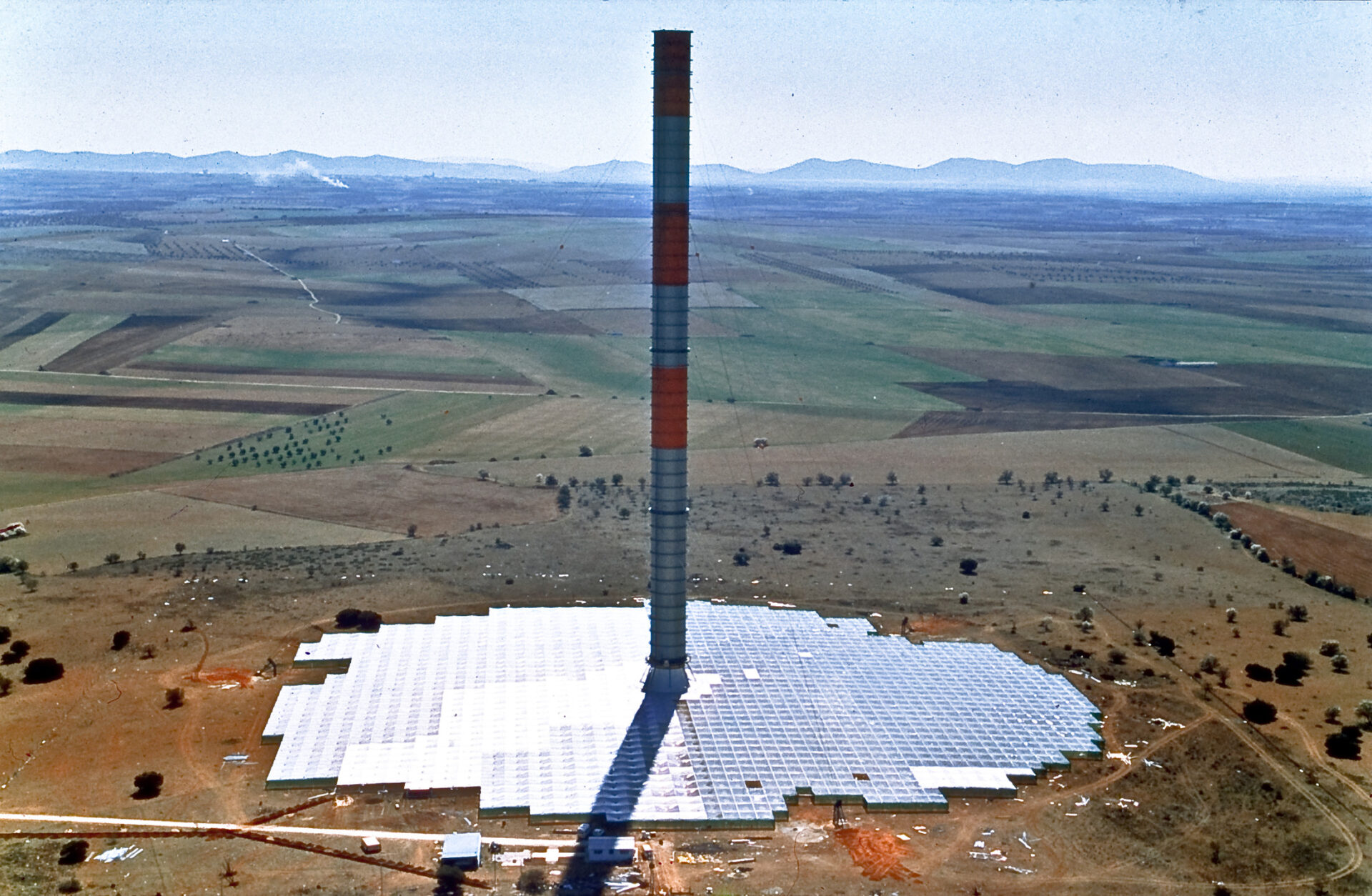
Solar Chimney in Spain Harnessed Sun to Generate Electricity for 7 Years Without Burning Fuel

National Expansion of Distributed Solar Energy
Currently, Brazil has more than 41.7 GW in installed capacity of solar DG, distributed across 5,559 municipalities. Although there are 11 cities without photovoltaic systems connected to the grid, more than 6.5 million consumer units utilize this model. This demonstrates its broad acceptance throughout the national territory.
Moreover, this growth reflects a shift in mindset regarding energy. As the impacts of climate change intensify — with droughts, floods, and extreme events — Brazilians are seeking sustainable solutions. In this context, solar energy presents itself as an effective, clean, and economically viable alternative. It also adapts well to local conditions.
Historically, large hydropower plants have sustained the national electric matrix. While these plants have been important for development, they have also caused significant environmental impacts and depend on the rainfall regime. Since the 2000s, with the energy crisis and the advancement of clean technologies, the country began a process of energy diversification. Thus, solar energy started to occupy a prominent space.
The decrease in equipment costs, combined with the increased efficiency of systems, accelerated this shift. At the same time, public policies, legal milestones, and state incentives reinforced the movement. As a result, many Brazilians began to see solar energy not only as an ecological alternative but also as a strategy to reduce expenses and gain energy independence.
The States of the Country Lead the Energy Transformation
The states of the country play a decisive role in this transition. For example, São Paulo tops the national ranking with 5.90 GW in installed capacity, followed by Minas Gerais (5.14 GW) and Paraná (3.78 GW). These numbers reflect not only the size of the population and local economy but also well-structured state policies.
On the other hand, states such as Rio Grande do Sul, Mato Grosso, and Bahia also stand out. All have already accumulated more than 2 GW of installed capacity. In total, 14 states have surpassed the 1 GW mark. This proves that solar DG is not limited to urban centers. On the contrary, the model spreads across the northeastern semi-arid region, the interior of the Midwest, and even the communities of the Amazon.
Furthermore, the Semi-arid region, which has high solar incidence, has been making the most of this resource. Family farmers and rural communities use solar DG to reduce expenses and gain autonomy. In other words, solar energy ensures stable access to electricity in areas historically excluded from traditional grids.
Additionally, solar DG boosts local economies. The installation of solar panels creates direct and indirect jobs. The sector involves engineers, technicians, suppliers, installers, and equipment manufacturers. In less industrialized states, this new production chain represents a concrete opportunity for economic development. It also generates income and promotes professional training.
Clean Energy as Inclusion and Sovereignty
The case of Roraima illustrates well the positive effects of solar DG. For many years, the state faced supply difficulties. It relied on thermopower plants and electricity imported from Venezuela. With the installation of photovoltaic systems, Roraima begins a new cycle — cleaner, more reliable, and more sustainable. Thus, the state advances towards energy autonomy.
According to engineer Geraldo Silveira of CS Consultoria, distributed generation has become popular in all regions. According to him, the advancement of DG in the states of the country demonstrates not only the maturity of the sector but also the real interest of the population in sustainable and accessible solutions.
In addition to the environmental and economic benefits, solar DG also contributes to the strengthening of the national electrical system. Producing energy close to the point of consumption reduces transmission losses and decreases the need for large infrastructure projects. As a consequence, the system becomes more efficient, modern, and balanced.
Meanwhile, solar energy also promotes inclusion. By allowing families, farmers, and communities to generate their own energy, DG transforms access to electricity into an instrument of citizenship. In this sense, states with a history of inequality now have a concrete tool for social transformation.
Paths for the Future of Distributed Generation
Considering all these advances, the future of solar DG in Brazil appears promising. The combination of new technologies, storage systems, cooperative models, and accessible credit lines should further boost the sector. Therefore, collaboration between the states of the country, combined with the strengthening of networks and modernization of distribution, will be essential to consolidate this growth.
With all states of the country surpassing 100 MW of installed capacity, distributed solar energy stops being a trend to become part of Brazilian daily life. More than that, it becomes a pillar of energy security, sustainability, and national innovation.
In summary, solar DG illuminates not only the roofs and fields of Brazil but also paths of inclusion, development, and sovereignty. Thus, the union of technology, political will, and social engagement shapes a future in which all regions of the country share the benefits of clean and accessible energy.