Portuguese
  Spanish



The American Multinational General Motors Has Joined Lockheed Martin to Create an Unprecedented Lunar Vehicle for NASA’s Artemis Missions
Lockheed Martin and the multinational General Motors are partnering to develop a new type of lunar vehicle for NASA to use during its upcoming Artemis missions to the Moon, the companies announced last Wednesday, May 26.
Also Read
- Brazil Will Be the Protagonist of the Niobium Revolution in the World, the Essential Metal for the Steel Industry, Electric Cars, Infrastructure, Technology, and Health
- Ford Motor, One of the Most Important Automakers in the World, Will Stop Developing and Manufacturing Gasoline and Diesel Combustion Engines for a Fully Electric Future
- After Volkswagen, Ford, Chevrolet, Fiat, and Yamaha, the Multinational General Motors Suspends Production at Its SP Factory and Negotiates the Suspension of Work Contracts on This Day, 26
- 67 Job Vacancies for High School and Higher Education to Work at the Multinational General Electric Renewable Factory, Today, May 26
- General Electric Completes Testing of the Three-Stream Combat Engine, the New Technology That Will Revolutionize Sixth-Generation Fighters
“Surface mobility is crucial to enabling and sustaining long-term exploration of the lunar surface. These next-generation rovers will dramatically increase astronauts’ range,” said Lockheed Martin Executive Vice President Rick Ambrose in a statement.
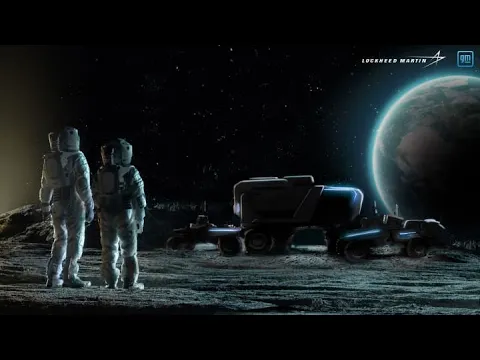

Earlier this year, NASA issued a notice to companies that “it requires a human-class rover that will extend astronauts’ exploration range” during missions for the agency’s Artemis program.
-
28-meter, 156-ton titans traveled 20,000 km from China to the port of Santa Catarina: Portonave received 7 fully electric megacranes, part of a R$ 210 million package, to double container handling.

-
They exchanged the idea of a large house for a 35 m² warehouse, spent US$ 12,000 on the structure, and created a tiny house in Colorado with space to live and work.

-
A newly opened terminal in the middle of the Amazon has begun transporting soy and corn through Amapá, eyeing the queue of ships that is congesting the ports in the South.

-
Goodbye to old tiles: renovation technique without construction transforms bathrooms in a few hours, eliminates debris, and reduces costs with coverings using special paints, high-resistance adhesives, and modern finishes that completely renew the space.


NASA issued a notice to companies that it requires a human-class rover that will extend astronauts’ exploration range during missions for the agency’s Artemis program.
The NASA request for a next-generation lunar vehicle noted that it must utilize a variety of cutting-edge technologies, including electric vehicle systems, autonomous driving, and hazardous terrain capabilities.
It Is Not the First Time General Motors has Built This Type of Vehicle for NASA
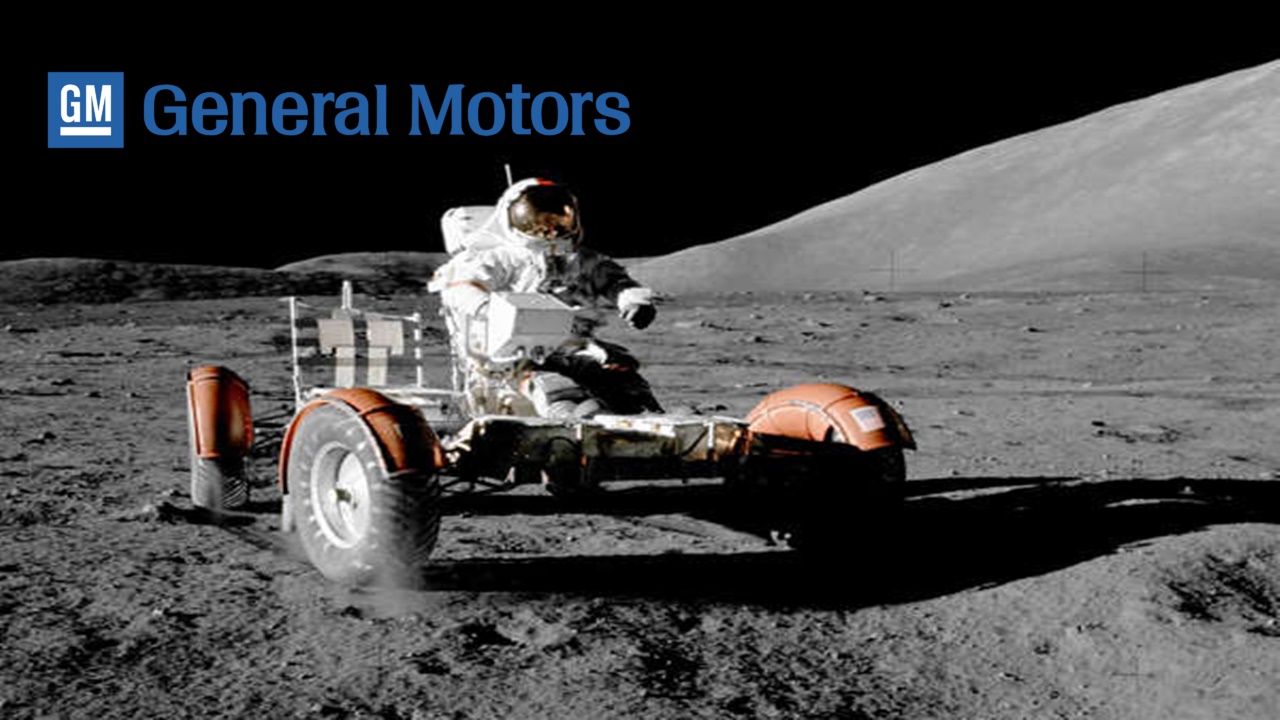
General Motors has built such a vehicle before, as the company was the primary subcontractor that helped Boeing create the lunar roving vehicle used during three Apollo missions on the Moon.
While NASA’s previous rover was capable of nearly driving around the Moon at almost six miles per hour, it traveled less than five miles from the Apollo landing site.
Lockheed Martin said its next-generation lunar terrain vehicle is “being designed to traverse significantly longer distances to support the first excursions of the Moon’s south pole, where it is cold and dark with more rugged terrain.”