Portuguese
  Spanish


A 27-year-old Microsoft software engineer’s account shows how artificial intelligence has changed the routine of part of Generation Z in technology by reducing repetitive tasks, increasing the pressure for adaptation, and reinforcing that human judgment remains central in system development.
The use of artificial intelligence has changed the routine of a Generation Z engineer at Microsoft in Redmond by transforming part of programming into system design, tool review, and guidance.
A report from Business Insider recounts the experience of Navya Jammalamadaka, a 27-year-old software engineer living in Redmond, Washington. She joined Microsoft in May 2024 after going through interviews that began that year.
Generation Z sees programming change within Microsoft
Navya’s journey shows how the introduction of artificial intelligence in software development has not eliminated the need for engineers but has changed the type of attention required.
-
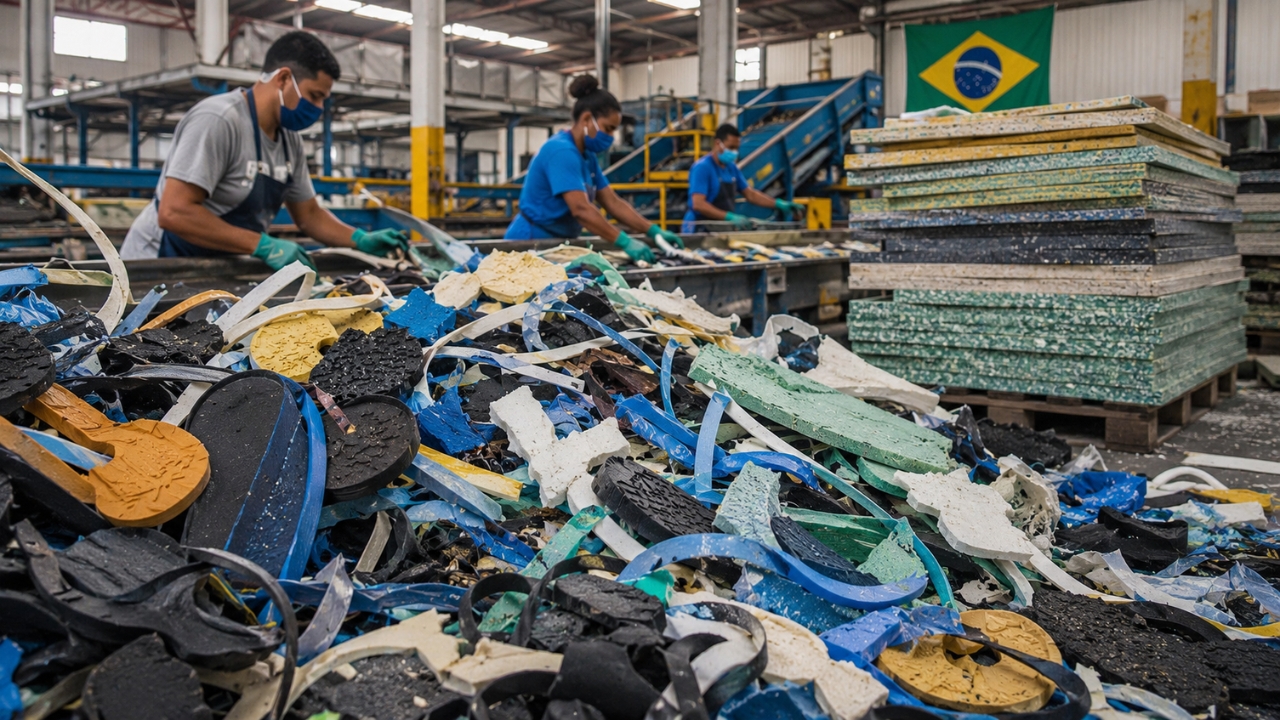
The industrial waste that even recyclers didn’t want has gained value in the interior of Bahia: two entrepreneurs invested R$ 2.8 million to transform 350 tons per year of foam, rubber, and plastic into boards that can replace wood and MDF.

-
What is a red flashlight used for, after all? See why it is so commonly used at night.

-
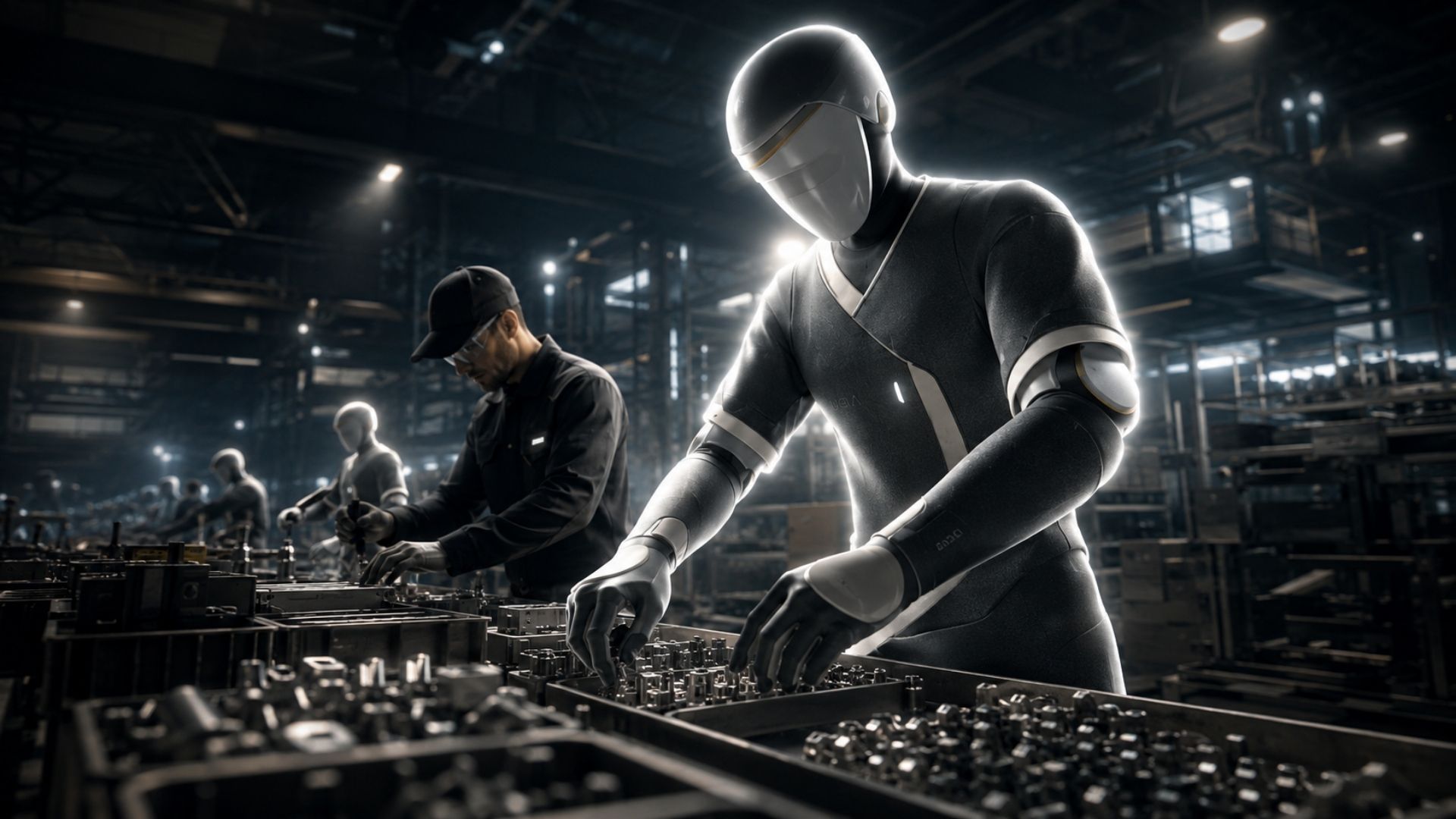
He has never read a line of code, but he already knows how to work: the French company UMA presented in Paris the Northstar, its first AI-powered humanoid robot designed for factories and warehouses, capable of copying tasks just by observing an employee in action.

-
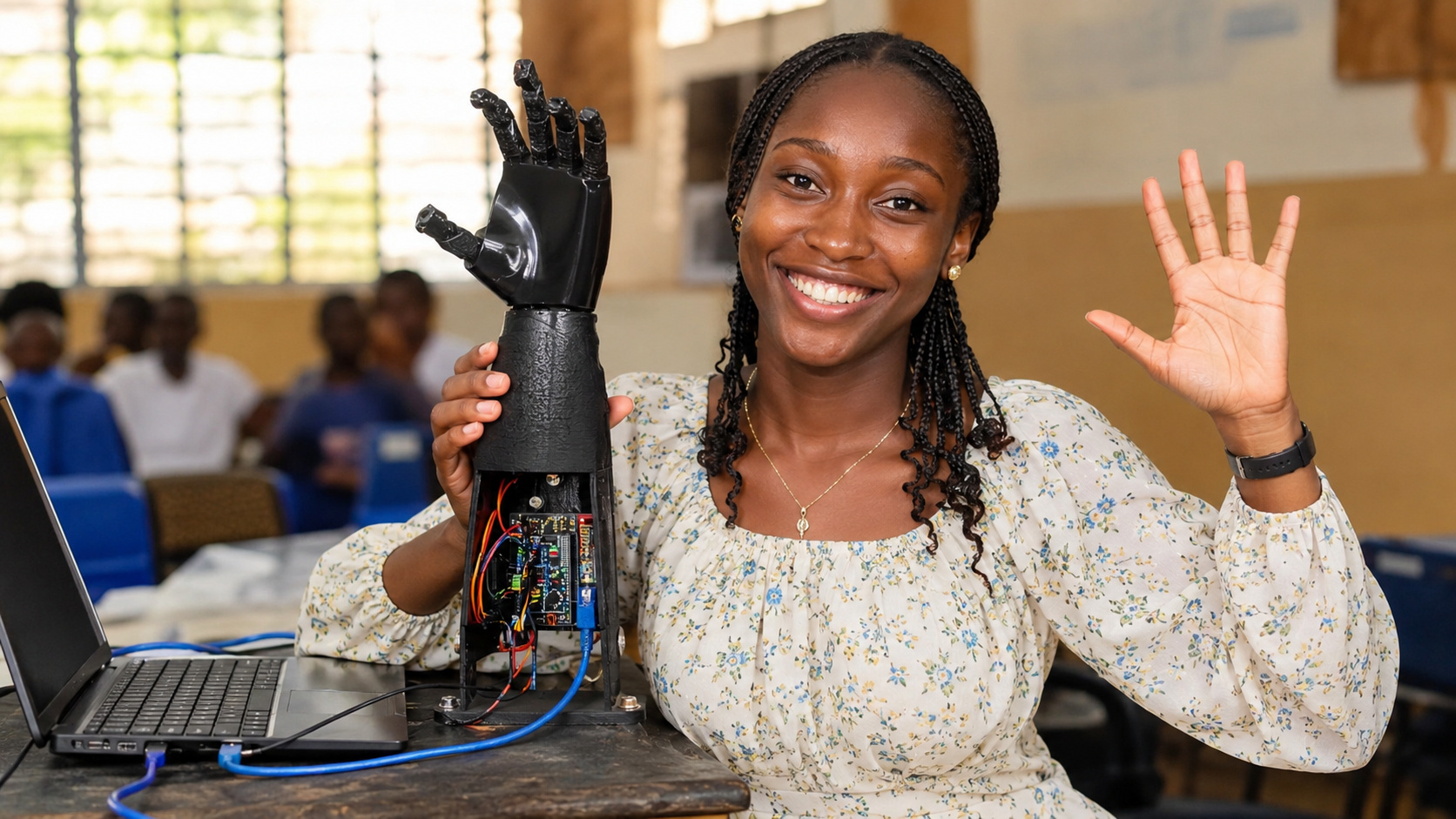
A young Kenyan engineer collects plastic waste from the streets and transforms it into robots that translate physics lessons into sign language in real-time, a machine made with old bottles that teaches what was missing to deaf children left out of science.

Previously, she spent five to six hours a day programming without AI tools. Now, she describes the work as something akin to an architect’s role, guiding automated systems to write code.
This change occurred in an environment where Microsoft began to encourage the adoption of AI. Navya’s use of these tools increased at the beginning of 2025 when various solutions were made available internally.
In the first half of that year, she tested features and understood what AI could do. In the second half, she began incorporating the technology into workflows, including code reviews.
Among the tools used, GitHub Copilot became a support for programming suggestions and debugging. Navya’s work continues to be reviewed by a senior engineer.
AI helps but does not replace technical judgment
The engineer claims that AI has reduced the time spent on tasks such as navigating large codebases and writing repetitive structures. However, the biggest gain is not simply in finishing everything faster.
Using artificial intelligence efficiently requires judgment, careful review of responses, and the ability to decide when to trust the suggestions. The result is a shift in the focus of professional energy.
Instead of just executing the same tasks in less time, Navya started to pay more attention to higher-level problems. The technology serves as support, not as a substitute for technical responsibility.
An example cited is dealing with large Microsoft codebases, some existing for over a decade. For a professional newly exposed to the company’s system scale, this environment initially seemed intimidating.
Pressure on engineers also entered the discussion
Despite the benefits, Navya states that artificial intelligence does not always save time. The need to review results and maintain technical criteria prevents the gain from being automatic in all activities.
She says she has not suffered from AI fatigue, a term used to describe exhaustion associated with the intense use of these tools. Even so, she acknowledges that many engineers in the sector feel pressure to meet deadlines.
This pressure also affects early-career professionals. In her assessment, AI tools can alleviate part of this burden by speeding up debugging and code comprehension, although they do not eliminate work fatigue.
Path to Big Tech started before the position
Navya began her search for a Big Tech position in 2023, while working as a software engineer at a consultancy in Connecticut. The goal was to achieve a common milestone among professionals in the sector.
While waiting for responses from larger applications, she was contacted by the founder of a smaller tech company about a position in San Francisco. The offer progressed, was accepted, and the move occurred in January 2024.
Even satisfied with the new job, she remained interested in Big Tech. Later, she started receiving feedback from old applications and participated in processes at Apple, Meta, and Tesla, while continuing to look for opportunities.
In February 2024, she applied for a software engineering position at Microsoft. The referral came from a New York University graduate with whom she had connected on LinkedIn.
The process advanced quickly. After an interview with the hiring manager, she learned in a day that she would proceed. Four more interviews followed, and the offer was received and accepted.
The hybrid role required presence in the Seattle office. Therefore, Navya left San Francisco, a city she liked and preferred to stay in. However, the opportunity justified the move to Washington.
Advice for young people seeking space
For young candidates, the engineer recommends expanding connections on LinkedIn. The practice includes applying for a position and then reaching out to people from the company, explaining the interest and the application sent.
She also advocates optimizing the profile on the platform, because recruiters may spend only a few seconds evaluating a page. Relevant projects should appear in a portfolio section, highlighting the best works.
The final message for aspiring software engineers is that the role changes quickly. Traditional skills remain valuable, but professionals need to be prepared if the employer expects the use of AI.
What do you think about this change in the work of engineers with AI?