Portuguese
  Spanish


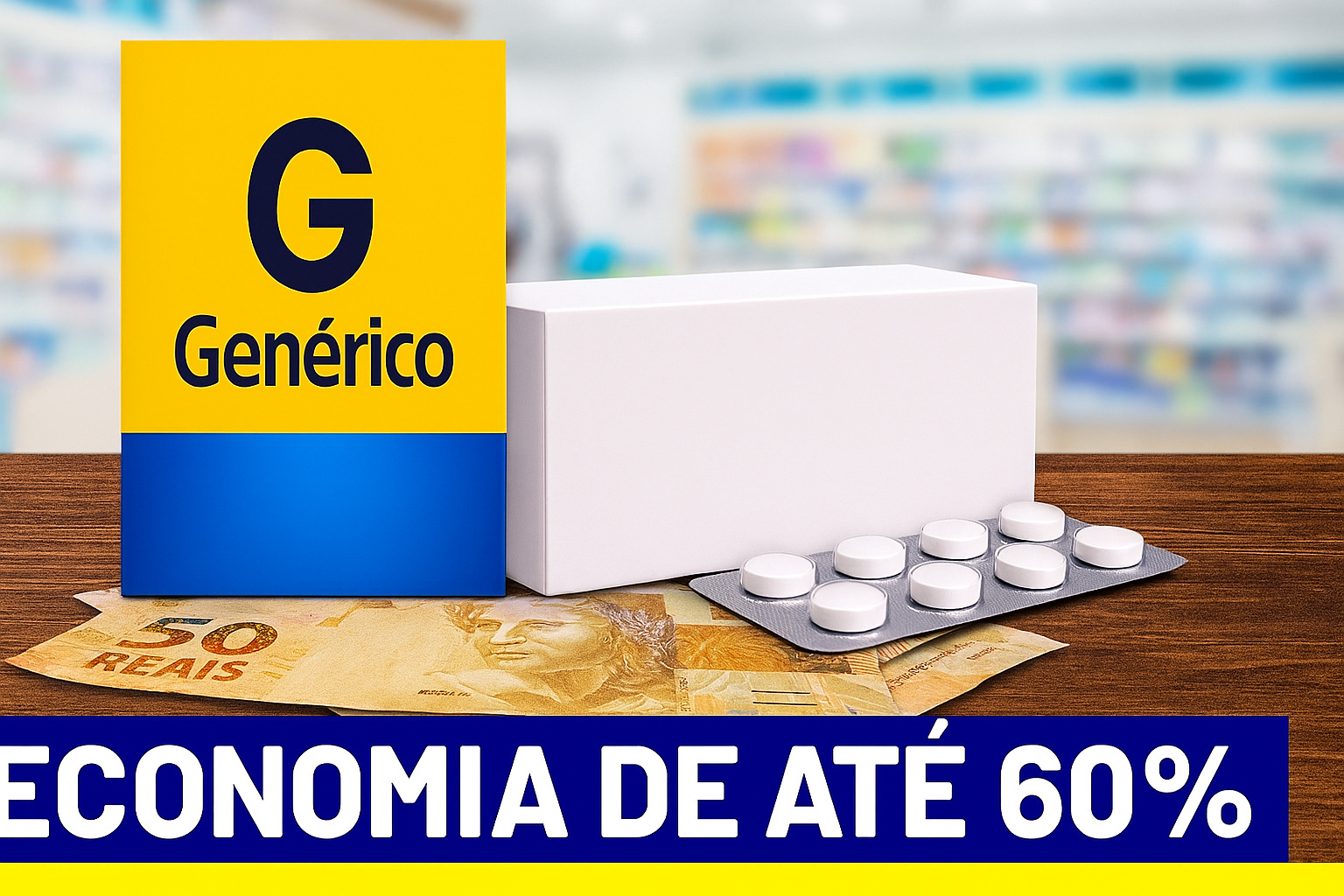


Generic Works Like Brand-name Medicine, Costs Up to 60% Less, and Passes the Same Tests as Anvisa; Understand Why It Still Generates Mistrust.
Generic medications arrived in the Brazilian market in 1999, after the creation of Law No. 9,787/1999, which regulated their production and sale. The proposal was simple: to broaden access to quality treatments for the population, reducing costs without compromising efficacy. Since then, millions of Brazilians have used generics in different areas, from antibiotics to medications for chronic diseases, such as high blood pressure and diabetes.
Despite being available for more than 24 years, there are still many doubts about their safety and efficacy, which fuels a certain prejudice against their use.
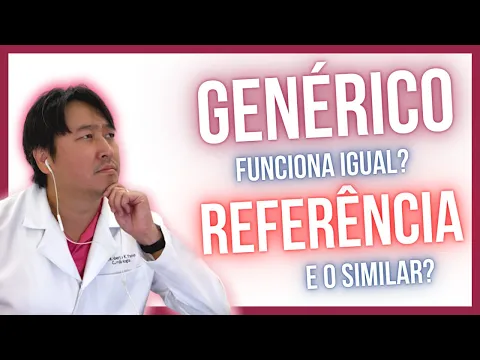
Is Generic the Same as Reference Medicine?
According to Anvisa (National Health Surveillance Agency), generics have the same active ingredient, in the same concentration, and in the same pharmaceutical form as reference medications — those that were the first to market and had the original patent.
-
Brazilian Airport to Receive $2.8 Million Investment, Completion Expected Within a Year

-
UN Warns of AI’s Environmental Impact and Calls for Greater Corporate Transparency

-
Former Atacadão Employee Turns Online Cake-Baking Lessons into a Confectionery Brand with Factory, Store, Delivery, and Nearly $400,000 in Revenue
-
Brazilian Startup Sells Nearly 9 Million Surprise Bags of Near-Expiry Food, Prevents Thousands of Tons of Waste, Aiming for $42 Million Revenue by 2026





This means that a 500 mg generic paracetamol tablet, for example, acts exactly like the brand-name paracetamol.
The difference lies only in factors such as packaging, name, and in some cases, excipients (substances that help shape the tablet), but never in the efficacy of the main substance.
Tests and Rigors in Generic Approval
For a generic to be approved, it must undergo the same strict quality controls as any brand-name medication.
Anvisa requires bioequivalence and bioavailability tests that prove that the generic acts in the body in the same way, with the same speed and intensity as the reference medication.
These tests are conducted in certified laboratories and involve analyses on healthy volunteers, ensuring there is no significant difference in therapeutic effect. Thus, the generic not only works the same but is also periodically monitored to maintain quality throughout its production.
Price Difference: Up to 60% Cheaper
One of the main attractions of generics is the reduced price, which can be up to 60% less compared to the reference medication.
This happens because, after the patent of the original medication expires, other companies can manufacture the same formula without needing to bear the millions in research and development costs that the pharmaceutical industry incurs at the beginning.
This factor democratizes access to health: families that previously could not afford ongoing treatment now have more affordable and reliable alternatives.
Why Is There Still Mistrust of Generics?
Even with almost 25 years in the market, many Brazilians still have doubts or resist opting for generics. This mistrust is linked to several factors:
- Perception that “cheaper is inferior”: culturally, some consumers associate lower prices with inferior quality, which does not apply to medications.
- Differences in appearance: generics cannot copy the color, shape, or packaging of reference medications, which can create unease among some patients.
- Lack of information: many consumers are still unaware of the tests and requirements from Anvisa for approving generics.
Research shows that, over time, acceptance has been growing, but the challenge is to increase the trust of the entire population.
Generic, Similar, and Reference: What’s the Difference?
It is common to confuse these terms, but each category has its definition:
- Reference medication: the original, which was researched, developed, and patented for the first time.
- Generic medication: has the same formula and efficacy as the reference, but without a commercial brand and at a lower price.
- Similar medication: also contains the same active ingredient, but may have variations in excipients, shape, and even brand name. Since 2014, they must also prove bioequivalence.
Knowing how to distinguish these categories helps consumers make more informed choices at the pharmacy.
Today, generics already represent more than 35% of medication sales in the country, according to data from the Brazilian Association of Generic Medication Industries (PróGenéricos).
The trend is for this share to continue growing, driven by the need for more accessible treatments and the aging population that demands more continuous medication.
Additionally, advancements in technology and the possibility of biological generics (biosimilars) are expected to open new fronts in the pharmaceutical sector in the coming years.