






 Portuguese
  Spanish


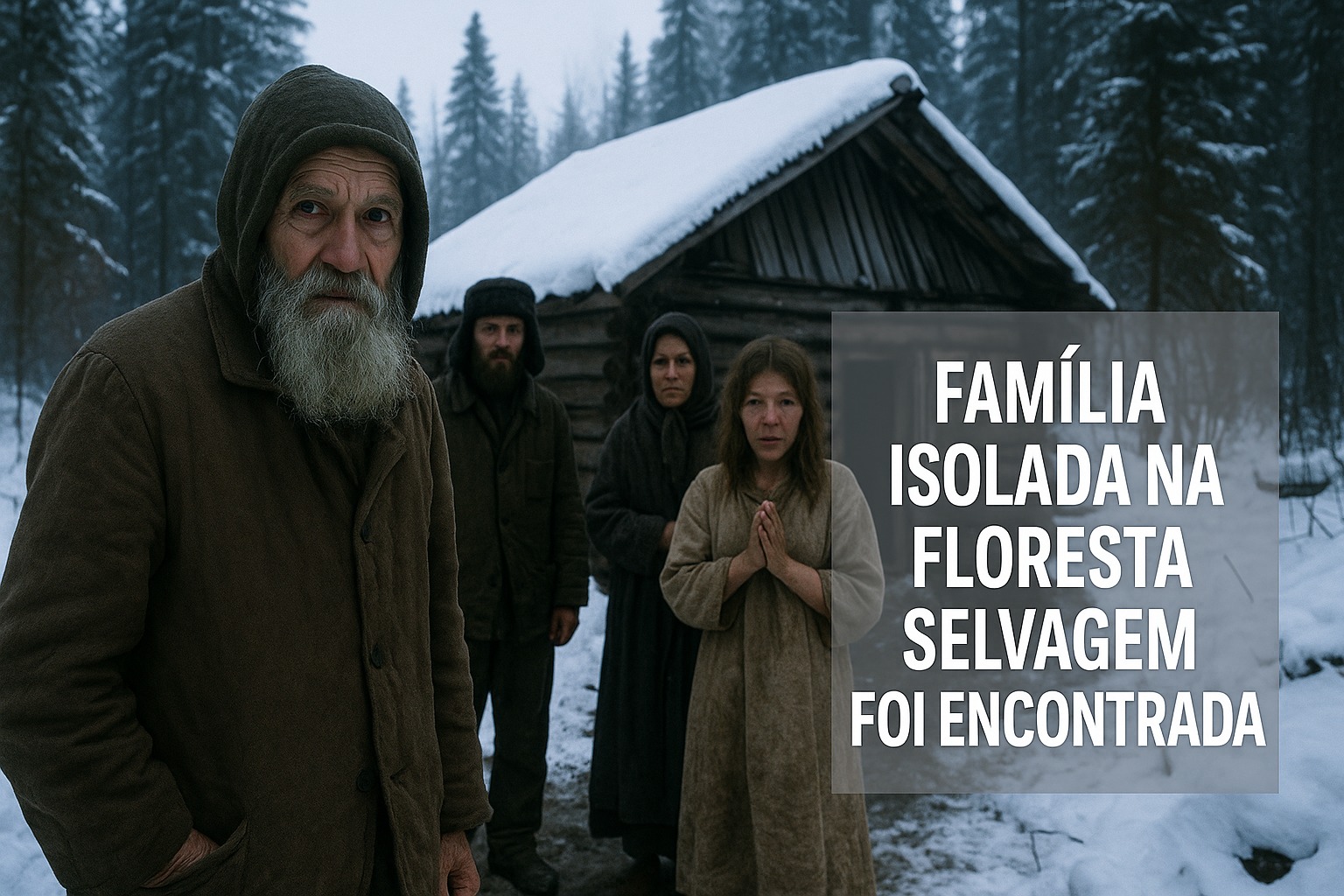


Isolated for More Than Half a Century, The Lykov Family Lived in the Siberian Taiga Without Contact With the Modern World — Surviving Hunger, Cold, and Solitude Driven Only by Faith and Self-sufficiency
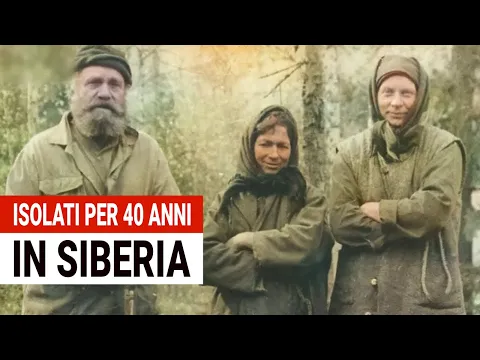
The Siberian taiga is one of the last great wilderness areas on Earth — a vast expanse of cold forests, raging rivers, and snow-covered mountains for most of the year. It was in this inhospitable setting, in 1978, that a group of Soviet geologists made a surprising discovery. While flying over a remote area near the border with Mongolia, the pilots noticed a rectangular clearing with signs of cultivation, isolated more than 240 kilometers from the nearest settlement.
The crew was intrigued. There were no records of settlements in that part of the forest. Still, the marks in the soil indicated human presence. Driven by curiosity, the four scientists decided to investigate.

The Cabin Forgotten by the 20th Century
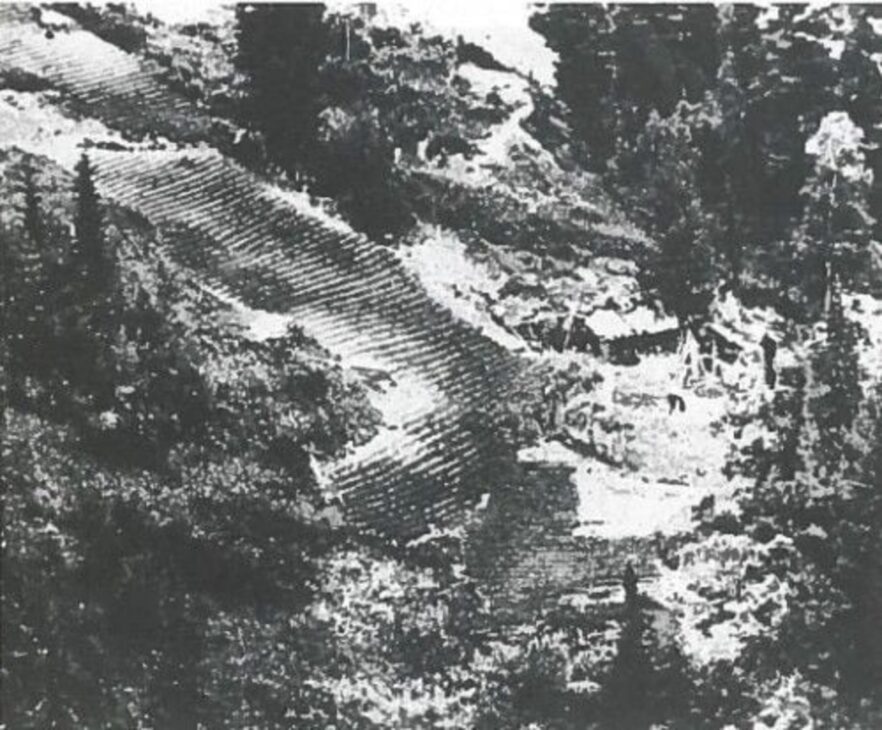
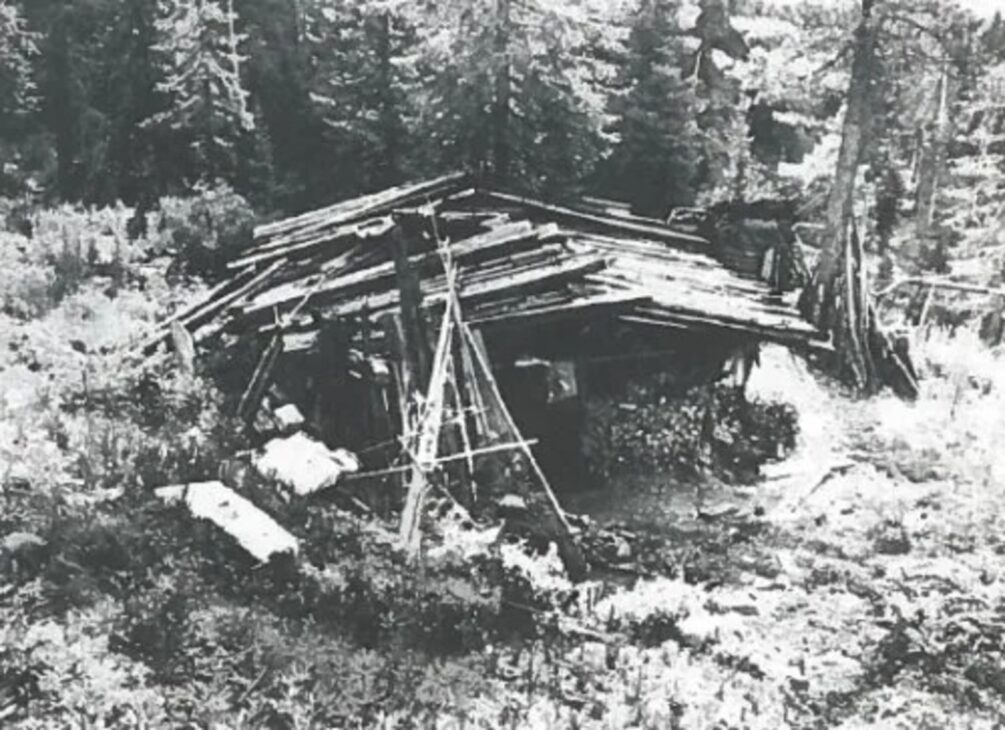
Following the route indicated by the pilots, the geologists walked along a narrow trail, crossed streams, and found a small wooden structure.
-
How to Prevent Brown Recluse Spider Bites: Common Hiding Spots and Free Tips to Reduce Risks

-
Natto: The Unusual Japanese Superfood Gaining Popularity on Social Media and Driving Record Exports
-
Brazilian Mayor Goes Undercover as Homeless for 24 Hours to Assess Public Services

-
15-Year-Old Entrepreneur Malu Lira Publishes 20 Children’s Books on Financial Education, Earns $500,000, and Expands Her Project to the Amazon Rainforest




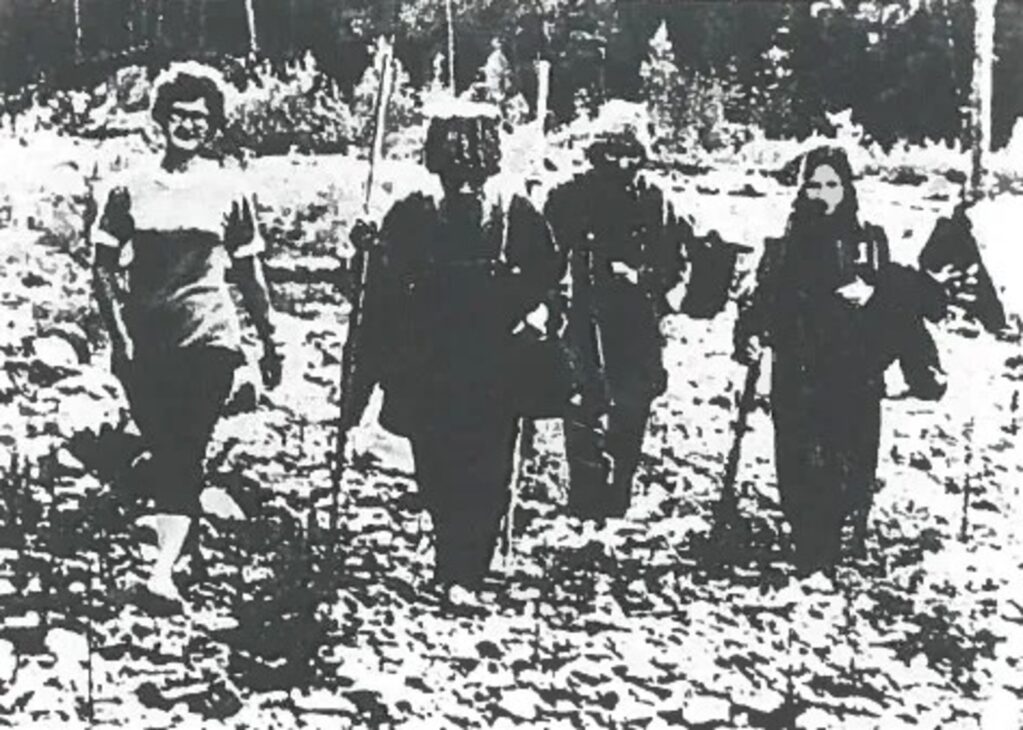
The shelter was dark and almost imperceptible among the trees. As they approached, an elderly man, barefoot and frightened, appeared at the door. He was Karp Osipovich Lykov. Behind him, two women were crying and making the sign of the cross.
The scene seemed from another time. As the days passed, the scientists discovered that this family had been living there for decades, completely isolated from civilization.
Karp was a “Old Believer,” a follower of a Orthodox sect persecuted since the 17th century.
During the atheistic campaigns of the Soviet Union in the 1930s, Karp’s brother was killed by an armed group.
Fearing the same fate, he fled with his wife, Akulina, and their two small children into the forest. Each year, the group moved further away, until they lost all contact with the world.
Childhood in Absolute Solitude in the Forests
In the taiga, two more children were born: Dmitry and Agafia. Neither of them knew life outside the woods. Without school, electricity, or any human contact, they learned to read only from the Bible and prayer books, using birch branches as quills.
They did not know what wars, satellites, or governments were. Time was measured by the sun, harvests, and religious rituals.
Everyday life revolved around planting, praying, and surviving the cold. The stories told at night were always the same, full of spiritual symbols.
Hunger, Cold, and Resilience
The family lived on the edge. Clothes were made from linen they cultivated themselves. When the metal pots deteriorated, they started using containers made from tree bark.
In the 1950s, the harvests began to fail. In 1960, an early snowstorm destroyed the entire crop.
With no food, they ate roots, leather, and even tree bark. To spare the children, Akulina stopped eating and died of starvation in 1961.
What saved the survivors was a single grain of rye that sprouted in the garden. From it, they were able to slowly rebuild the crop, multiplying the seeds with extreme care.
The Arrival of the Geologists
When the scientists arrived, they were impressed by the ingenuity of the Lykov family. Dmitry was able to walk long distances in the snow without shoes and build rudimentary tools from wood and scrap metal.
Agafia, the youngest, stood out for her energy and curiosity. Karp, now elderly, remained steadfast in the religious rules, accepting almost nothing that the visitors offered.
For a long time, they only accepted salt, an item that had been lacking for forty years. Then they allowed blankets, seeds, and a lantern. The geologists’ television fascinated them, but they preferred to focus on prayers.
Sadness After the Reunion With the World
The reunion with civilization, however, came too late. In 1981, just three years after the discovery, three of the four children died. Savin and Natalia, weakened by the poor diet, suffered kidney failure.
Dmitry contracted pneumonia after helping the visitors and refused to be airlifted. He died in the cabin, true to his belief of not leaving the taiga.
Only the old Karp and Agafia remained. The Soviet government tried to convince them to move, offering shelter and treatment. They refused.
The Choice to Stay
Agafia took a brief trip to see the modern world. She returned in shock at the noise, haste, and pollution of the cities. She said that, despite the difficulties, she preferred the silence and clean air of the forest.
In 1988, Karp died in his sleep. Agafia buried him alone, with the help of the geologist friends, and decided to continue living just as before.
The Last Survivor of the Forests
As the years passed, Agafia became an almost legendary figure. Even in her old age, she maintained the routine of praying, planting, and following the family’s religious calendar.
Due to her advanced age, she began to accept outside help. Volunteers started bringing food, tools, and medicine.
A Russian businessman built her a new wooden house to face the winter more safely.
Still, Agafia never left the taiga. She continues to live in the same piece of forest where she was born, surrounded by the silence and memories of her family.
Faith and Isolation as Destiny
The story of the Lykovs arouses fascination because it represents an extreme limit of faith and human resilience. They renounced comfort, companionship, and food in the name of their beliefs.
For almost half a century, they lived invisibly to the modern world, surviving only on what nature provided.
When they were finally found, they seemed to be from another century — people who crossed time without participating in it.
The faith that isolated them also kept them alive. Every gesture, every prayer, and every harvest was an act of spiritual and physical survival.
Agafia’s Loyalty to the Family’s History
Today, Agafia is the last representative of this radical choice. Her permanence in the forest is not just resistance, but also continuity.
She maintains the same rhythm her father created: waking up early, praying, tending to the garden, and managing the fire. Even with the weight of the years, she remains convinced that this isolation is the right path.
In the Lykov cabin, time seems suspended. The seasons change, the snow covers the mountains, but the routine remains the same.
Agafia has become a symbol of a life guided by faith and renunciation. Her decision to stay, despite everything, is the purest expression of loyalty — to family, tradition, and her own conviction.
The taiga has changed. The world has changed. But the piece of forest where the last Lykov lives continues to hold the same essence: that of a story that defies time and solitude, showing how far a human can go to remain true to oneself.
With information from Smithsonianmag.







Grande desafio mas deve se perguntar…Diante orações por que Deus não osconduziu para fora com o tempo enviando um Anjo?
História impressionante! Vale notar que há uma tradição russa, de profunda religiosidade, algo muito introspectivo e transcendente que encontramos em Dostoyevski e Tolstoi, que encontramos nessa curiosa história…Um encontro entre o ateísmo comunista, com sua violência contra Deus, e a resiliência humana, numa história digna desses autores russos.
Não é questão de fé, eles foram obrigados a fugir e assim se adaptaram a viver isolados e não conseguiram se adaptar ao mundo moderno, assim como nós não nos adaptar íamos a viver como eles.