Portuguese
  Spanish


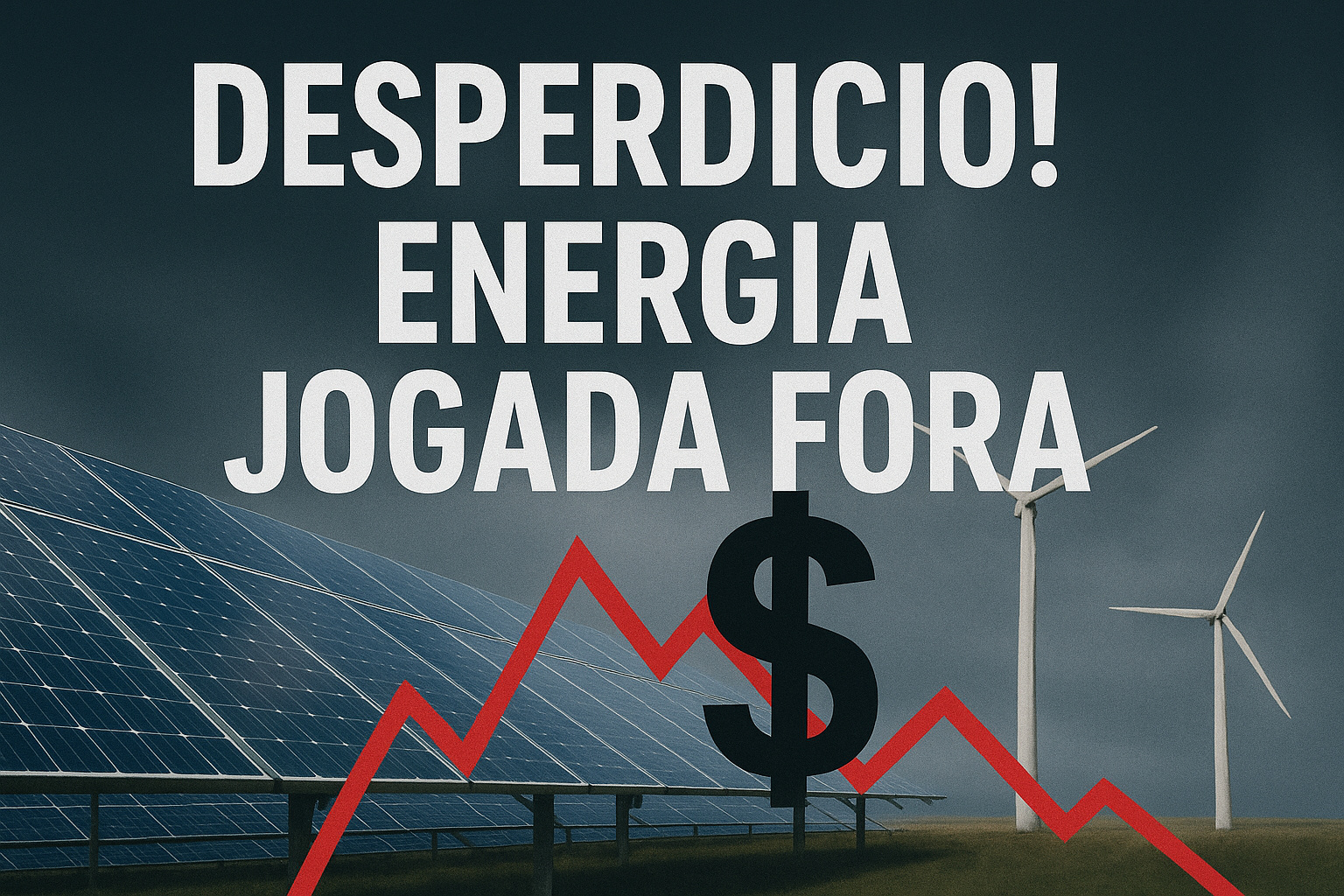

Billions Wasted: Understand the Reasons Why Solar and Wind Power Plants Are Wasting Energy in Brazil.
Renewables Suffer Historic Losses in Brazil
What Happened? Renewable energy generators incurred a loss of R$ 881 million just in August 2025.
Who Was Affected? Solar plants and wind farms lost a large part of their generation potential during the period.
When? Although the problem lasted throughout August, it has been worsening since the beginning of the year.
Where? Minas Gerais, Ceará, Rio Grande do Norte, and Pernambuco top the list of the most affected states.
How? The cuts occurred through curtailment, a situation where the system interrupts energy generation due to technical limitations in the grid.
Why? System overload and structural deficiencies in transmission explain the increase in losses.
Thus, the scenario reveals a paradox: even with the rapid expansion of clean sources in Brazil, the country still wastes a significant part of the energy it is capable of producing.
The lack of adequate infrastructure not only prevents full utilization of renewable generation but also threatens the economic sustainability of the sector.
-
USP researcher creates thesis to attract international funds for the country’s electric energy sector

-
Trafigura receives authorization from ANEEL to trade electricity in Brazil and expands its operations in the largest energy market in Latin America.
-
Mobile solar panels promised to share space with corn crops, but the 20% to 25% shade reduced production by an average of 7.7% and opened a new dispute between energy and food.
-
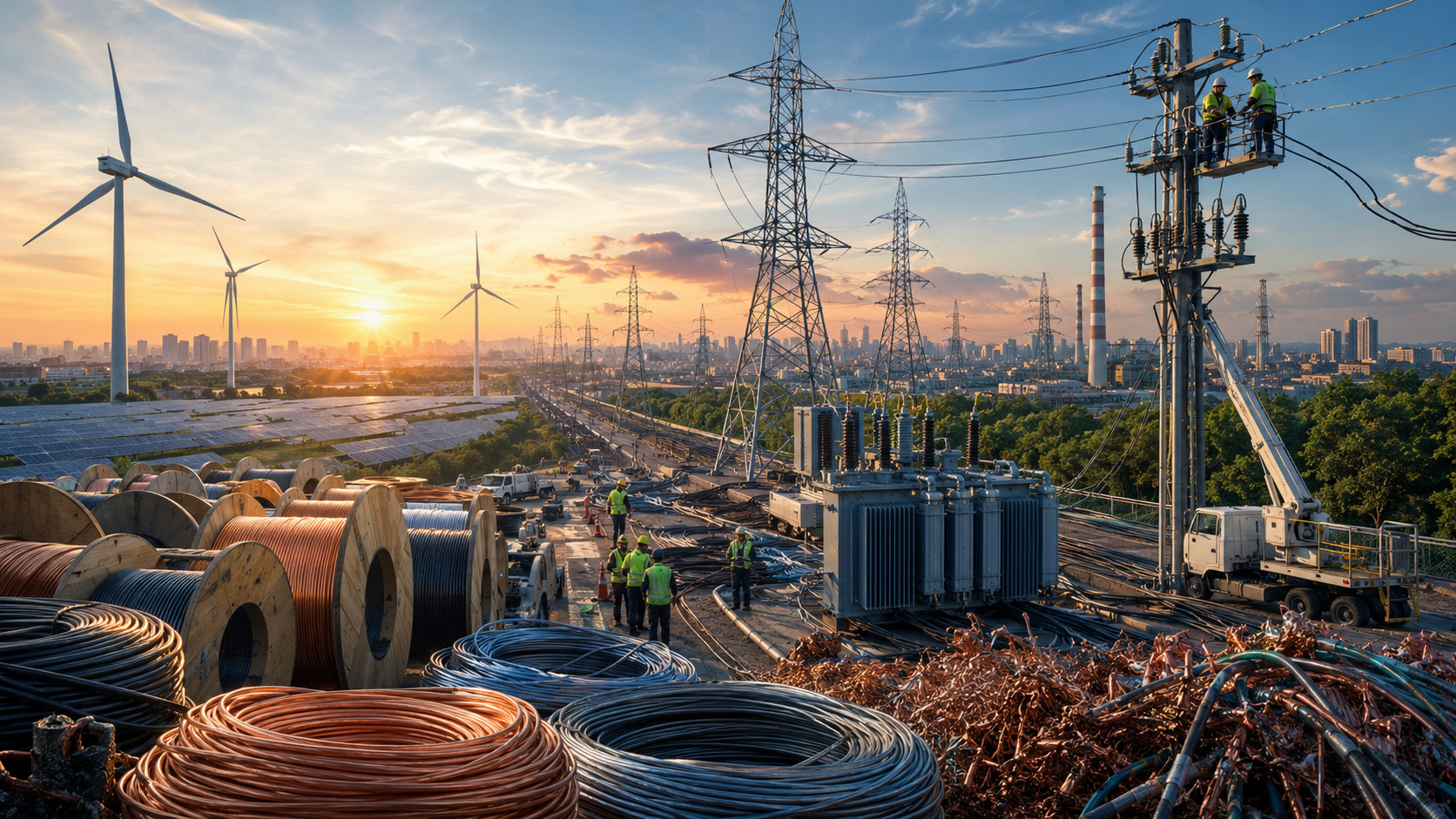
More than 80 million kilometers of wires need to be replaced by 2040: the energy transition doesn’t just depend on panels and electric cars, but on a colossal race for copper, aluminum, transformers, and recycling of old cables.


Solar and Wind Energy Fail to Produce Thousands of GWh
Solar plants failed to generate 1.3 thousand GWh in August, equivalent to 36% of their total potential for the month. Wind farms, in turn, recorded a drop of 3 thousand GWh, representing a reduction of 21%. With this wasted energy, millions of households could have been supplied.
The data highlights the need for Brazil to invest not only in new renewable sources but primarily in transmission infrastructure, ensuring that the generated energy actually reaches the consumer.
Minas Gerais and Northeast Concentrate Largest Cuts
According to Volt Robotics, the generation cuts were concentrated in four states:
- Minas Gerais – 37.8%
- Ceará – 33.5%
- Rio Grande do Norte – 30.3%
- Pernambuco – 29.4%
In other words, the regions that currently lead the energy transition were precisely the most affected by the cuts. This contrast reinforces the need to act urgently to prevent the advancement of the renewable matrix from continuing to generate such high losses.
Losses Already Total Billions in 2025
Between January and August 2025, the plants failed to deliver an average of 987 MW of energy, which represents 17.2% of the total possible production during this period. This volume exceeded by 230% the total recorded in 2024, underscoring the severity of the problem.
In the regulated market, distributors incurred an accumulated cost of R$ 3.2 billion due to the cuts, just in the first eight months of the year. Experts warn that this growing loss may deter new investments and jeopardize the expansion of the electric sector.
Curtailment Exposes Electric Sector Bottlenecks
The term curtailment defines the mandatory reduction of electric generation, usually caused by limitations in the transmission grid. In Brazil, the expansion of transmission lines does not keep pace with the speed at which new solar and wind plants come online.
As a result, even with one of the cleanest energy matrices in the world, the country still wastes a significant portion of the energy it produces.
Challenges for the Future of Clean Energy
In addition to causing financial losses, the waste of renewable energy directly complicates the planning of the energy transition. Without rapidly expanding and modernizing the transmission grid, Brazil compromises the cost-benefit of clean sources and reduces the efficiency of the sector.
On the other hand, experts recognize that the country still leads in renewable generation and emphasize that, with the advancement of infrastructure, Brazil can not only expand its internal capacity but also establish itself as a global reference in the export of sustainable energy.
Therefore, investing in the transmission network has ceased to be an option and has become an essential condition for the success of the energy transition.