Portuguese
  Spanish


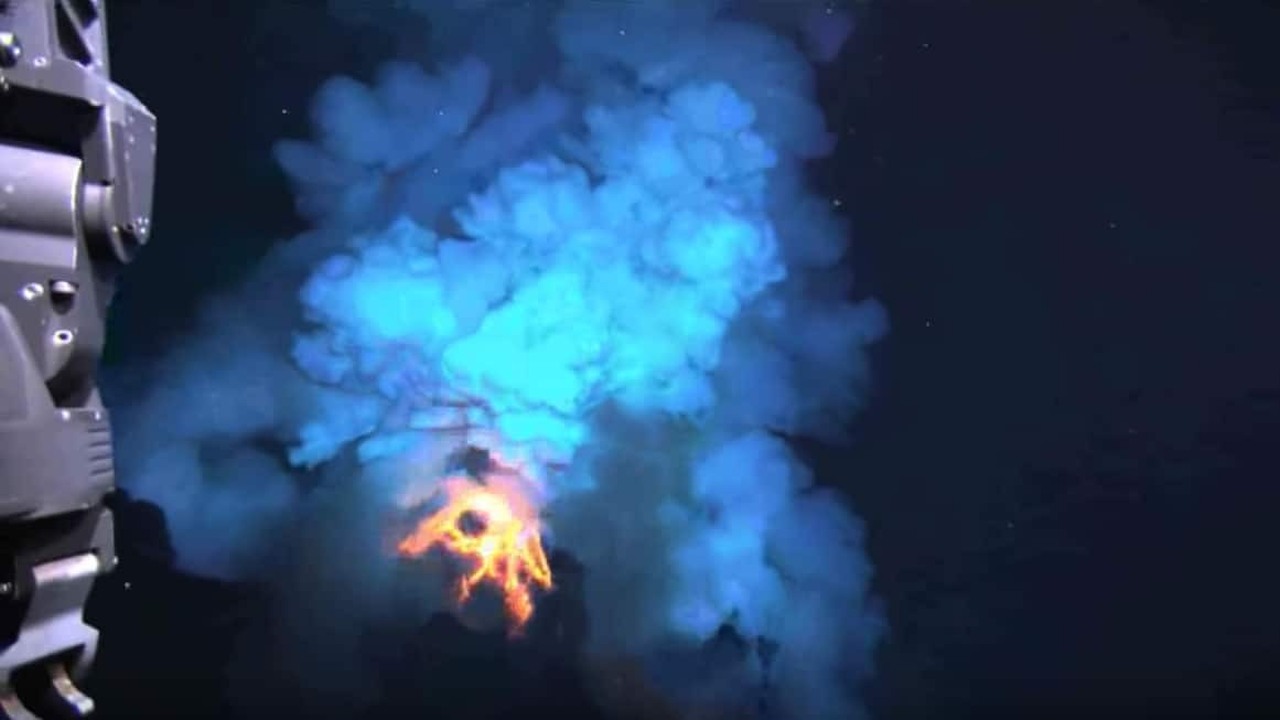

Deep in the ocean hundreds of kilometers off the coast of Oregon, an underwater volcano has been swelling and showing clear signs that it might erupt later this year, while scientists monitor everything almost live with sensors spread across the ocean floor.
Most of the planet’s volcanic activity doesn’t happen in the mountains we know, but hidden at the bottom of the oceans, far from our eyes. And one of these submerged giants is about to awaken. The Axial Seamount, an underwater volcano hundreds of kilometers off the coast of Oregon, USA, has been showing signs that it might erupt soon.
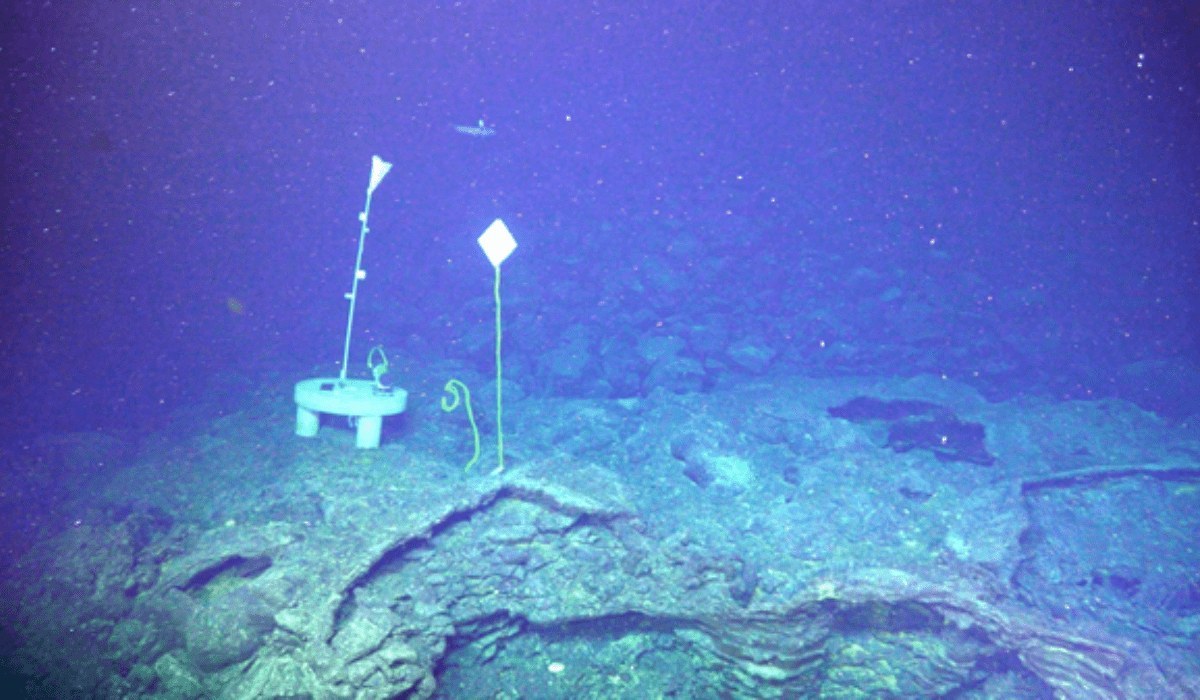
What makes this case special is that scientists are watching. The Axial Seamount is one of the most well-monitored underwater volcanoes in the world, with a network of sensors installed on the ocean floor that tracks every tremor and movement. This gives researchers the rare chance to observe an underwater eruption almost live, something that is almost never possible.
The hidden volcanoes at the bottom of the sea
It may be surprising, but the vast majority of Earth’s volcanoes are underwater. The ocean floor is lined with immense volcanic chains, where the planet releases heat and creates new crust all the time. Most of this activity goes completely unnoticed, happening in the dark and under the pressure of the depths, without anyone on the surface even realizing it.
-
Nigerian Professor Invents Electricity-Free Refrigerator Using Clay Pots and Wet Sand, Extending Shelf Life of Vegetables to 27 Days; 7,000 Units Distributed in Energy-Deprived Villages

-
Flower Farms Supplying London and Amsterdam Face Backlash for Environmental Impact on African Lake, Threatening Jobs for 50,000 Workers

-
World’s Largest Container Ship Departs Shanghai with 24,000 Containers, Set to Debut in Europe in July

-
NASA Explores How Microgravity and Sensors Alter Soccer Ball Spin in Space



I confess that I find it impressive to think that we know the surface of some distant planets better than the bottom of our own ocean. Volcanoes like the Axial Seamount have been rising and erupting for millennia, shaping the sea floor, and only now, with advanced technology, are we beginning to observe them up close. Each of these eruptions is a window into understanding how our planet works from the inside.
How to predict a volcano eruption
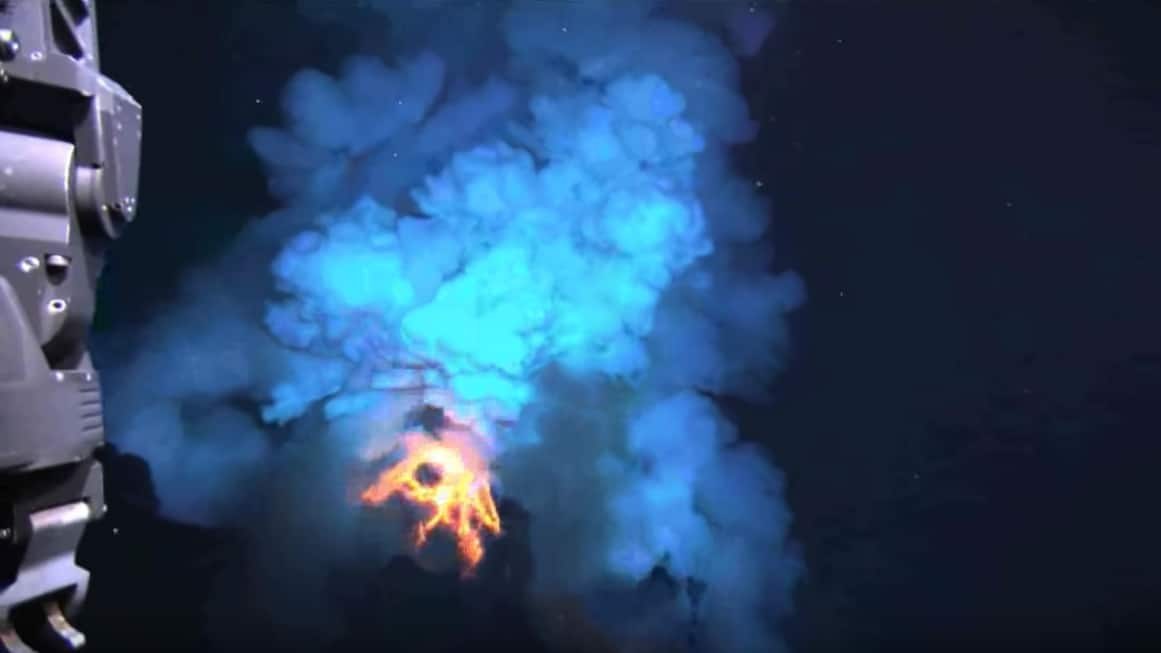
Predicting when a volcano will erupt is one of science’s great challenges, but the Axial Seamount offers valuable clues. Before an eruption, the volcano swells because magma accumulates beneath it and pushes the ground upwards, like a balloon inflating. The sensors installed on the ocean floor measure this swelling with precision, allowing scientists to estimate when the pressure might finally break through.
It’s a detective work done with cutting-edge technology. By monitoring the rate at which the volcano swells and the rocks around it tremble, researchers can make increasingly accurate predictions. The Axial Seamount has erupted several times in recent decades, and each one has taught a bit more about its signals, turning this underwater volcano into a true natural laboratory for studying how to predict eruptions.
What makes the Axial Seamount so special is precisely this rare combination of factors. It erupts relatively frequently by geological standards, giving scientists several chances to study it within a human lifetime, instead of waiting centuries. Additionally, it is connected to a network of sensors on the ocean floor that transmits data in real-time, something that very few volcanoes on the planet have. Combining these two things, researchers have gained a sort of natural clock to test and refine their predictions. Each successful prediction of an eruption at this volcano is a valuable training, increasing science’s confidence in predicting, one day, the behavior of much more dangerous volcanoes near cities.
Why study an underwater volcano
It may seem that such a distant and submerged volcano has no importance to our lives, but studying it is invaluable. Since the Axial Seamount is in an isolated location and does not threaten cities, it is the perfect setting for scientists to safely test their prediction techniques. What they learn there can, in the future, help predict eruptions of dangerous volcanoes near inhabited areas, saving lives.
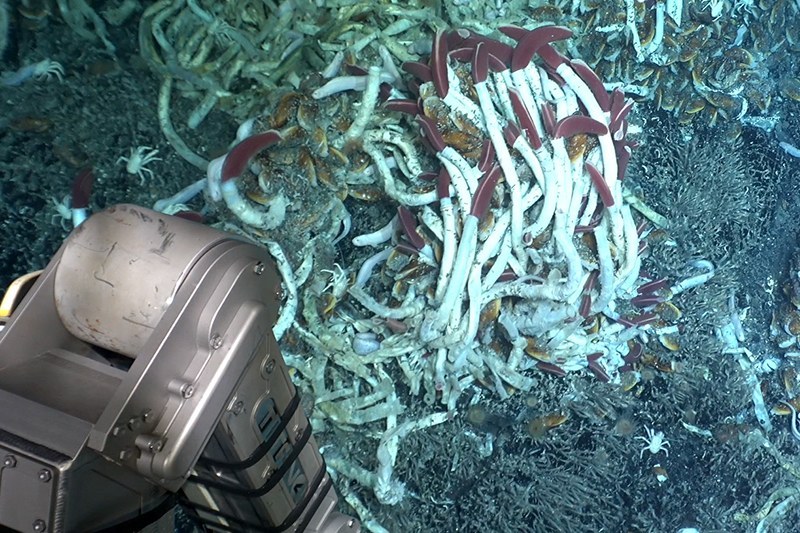
Moreover, underwater eruptions reveal secrets about the planet’s interior and surprising forms of life. Around these volcanoes, there are entire ecosystems that live without sunlight, fueled by the heat and minerals that gush from the depths. Observing an eruption of the Axial Seamount up close is a unique opportunity to study both the geology and the exotic biology of the ocean floor.
The sleeping giant about to awaken
I imagine the scene that the sensors might capture when the Axial Seamount finally erupts, with lava gushing in the cold darkness of the depths, in a spectacle that almost no human will ever see with their own eyes. It is one of nature’s most grandiose events happening hidden, and this time science will be there to record it.
The potential eruption of this underwater volcano is a reminder that our planet is alive and restless, especially at the bottom of the oceans that we barely know. Monitoring the Axial Seamount almost live is a rare chance to better understand the forces that shape the Earth from within. When the sleeping giant finally awakens, it will teach scientists lessons that may, one day, protect people from much more dangerous volcanoes, turning a hidden eruption at the bottom of the sea into knowledge capable of saving lives on the surface.
Did you know that most of the planet’s volcanoes erupt hidden at the bottom of the ocean?