Portuguese
  Spanish


Stalemate over Environmental Responsibility Between Petrobras and Gerdau Delays Decommissioning of Platform P-32 and Affects National Schedule of the Sector.
The decommissioning of the first oil platform in Brazilian territory, an operation considered historic for the naval and steel industry, faces a significant delay due to a stalemate between two giants: Petrobras and Gerdau, according to InfoMoney.
Platform P-32, weighing around 45 thousand tons, had its dismantling process interrupted after hazardous waste was discovered, raising a complex dispute over who should bear the cleaning costs.
Conflict Between Petrobras and Gerdau Halts Operation
In 2023, Petrobras sold platform P-32 to Gerdau, which, in turn, hired the Estaleiro Rio Grande, from Ecovix, in Rio Grande do Sul, to carry out the decommissioning of the vessel.
-
North Korean Fiasco: Launch of the Largest Warship Ends in Sinking

-
While giant ships still burn heavy fuel and the maritime sector races against climate targets, Maersk and Vale are starting to bet on ethanol as a new route to reduce emissions at sea.

-
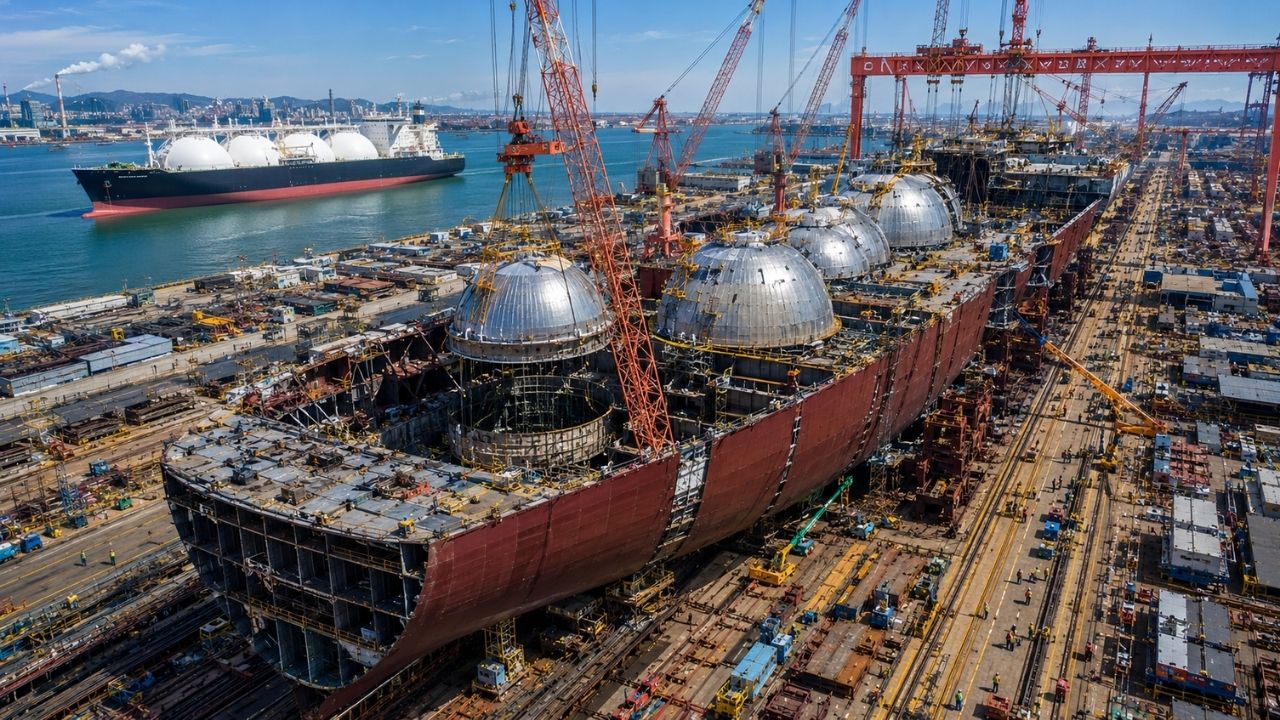
China begins construction of the world’s largest LNG ship, a 344-meter giant capable of supplying 4.7 million homes for a month, carrying 271,000 m³ of gas, and placing QatarEnergy in the largest naval order ever recorded in world history.
-
China is designing a container ship with a thorium nuclear reactor that will operate for 40 years without refueling, and the 25,000-container giant from Jiangnan Shipyard will cross oceans without emitting carbon in an industry that burns 300 million tons of fuel per year.



Gerdau’s goal was to transform the metal structure of the platform into raw material for steel production at the company’s unit in Charqueadas (RS).
However, the plan suffered a setback with the identification of 30 million liters of oily water and 270 thousand liters of diesel oil inside the platform, after its arrival at the shipyard.
The situation created a contractual deadlock between Petrobras and Gerdau regarding who would be responsible for cleaning the vessel, halting the process for almost a year.
This delay not only impacted the schedule for P-32 but also jeopardized the decommissioning of platform P-33, which was also acquired by Gerdau from Petrobras, and may now have to be sent to another location.
Decommissioning Begins Late and Under Tension
Initially expected to be completed in 12 months, the operation for P-32 only began in March 2025. According to Benito Gonçalves, president of the metalworkers’ union in the region, work is currently only underway on the upper structures of the platform.
The lower part can only be dismantled after the complete removal of the hazardous waste, which must be carried out by a specialized company contracted in May.
Even with the diesel oil already removed, the oily water continues to be a challenge. Meanwhile, the cost of keeping the vessel at the shipyard has already exceeded the R$ 30 million initially agreed upon in the contract between Gerdau and Ecovix.
Petrobras continues to monitor the “recycling plan,” but does not publicly assume responsibility for the environmental conditions of the vessel.
Threatened Opportunities for the Naval Sector
This episode highlights the hurdles that Brazil still faces in consolidating itself as a powerhouse in the decommissioning and dismantling of platforms.
In the next decade, the country is expected to become the third-largest global market in this segment, trailing only the Gulf of Mexico and the North Sea.
Petrobras even plans to invest US$ 9.9 billion in the next five years in the decommissioning of at least ten platforms.
However, disputes such as the one between Petrobras and Gerdau reveal the practical obstacles of the operation.
The lack of contractual clarity and more precise technical assessments ultimately undermine the predictability of the process and compromise the schedules of Brazilian shipyards, like Rio Grande, which was also supposed to receive P-33 after the completion of P-32.