






 Portuguese
  Spanish
  3 min of reading
  0 comments


Gerdau’s Sustainable Project Aims to Reduce Emissions and Optimize Logistics with Support from the Climate Fund
The National Bank for Economic and Social Development (BNDES) approved, on June 21, 2025, financing of R$566 million destined for Gerdau.
This financial contribution is part of the New Climate Fund and the Finem line, focusing on promoting sustainable infrastructure.
The project includes the construction of a 13-kilometer slurry pipeline and a 10-kilometer tailings pipeline between the municipalities of Ouro Preto and Ouro Branco in Minas Gerais.
-
Without a mansion, without high investment, and without a traditional classroom, a teacher living in a 22 m² house taught students to build a 9 m² studio apartment with the equivalent of R$10,000.

-
Without her own home and pressured by rent, a 25-year-old bought a small 15-meter boat, gradually renovated the interior by herself, transformed the interior with paint, new flooring, a larger bathroom, and started living on the canals, paying much less per month.
-
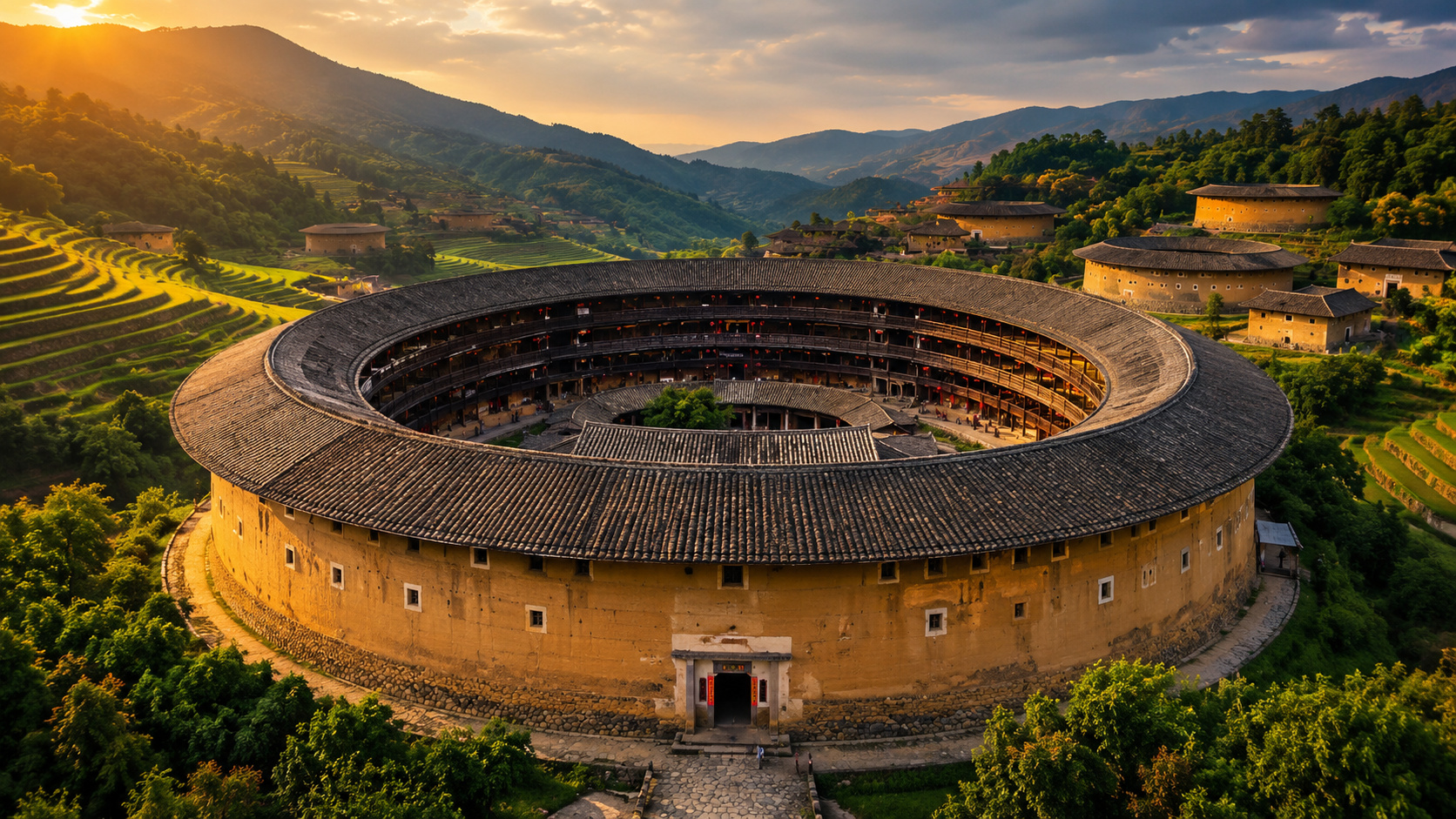
Long before sustainable construction became a trend, China built earthen fortresses with multiple floors, a central courtyard, and the capacity to house up to 800 people living in a community.
-
He got tired of renting, bought an old school bus, removed the seats, modified the roof, reinforced everything with steel, and created a two-story mobile home that looks small on the outside but houses two bedrooms inside.



In addition, the implementation of a modern recycling center in Pindamonhangaba, in the São Paulo countryside, is planned.
With this initiative, the industrial group aims to optimize the transportation of ore and expand the recycling of metallic scrap.
As a result, a significant reduction in greenhouse gas (GHG) emissions is expected, which reinforces the company’s commitment to decarbonizing the steel industry.
Green Logistics and Emission Reduction
The new slurry pipeline, when operational, will replace about 1,500 daily truck trips.
Thus, approximately 60,000 tons of iron ore will be transported daily via pipelines.
Consequently, road traffic will significantly decrease in the region.
In addition, it will provide a substantial reduction in CO2 emissions.
The project also anticipates water recirculation between the mines and the plants.
This measure will contribute to the preservation of water resources.
The recycling center in Pindamonhangaba will enhance the processing of metallic scrap.
In this space, there will be the separation of ferrous materials, non-ferrous materials, and impurities such as plastic, rubber, and soil.
This new model of circular economy should enhance the use of scrap as raw material in steel production.
As a result, in addition to reducing dependence on iron ore, Gerdau will further decrease emissions associated with its production process.

Incentive for the Green Industry
This approval aligns with the federal government’s new industrial policy.
This policy aims to stimulate sustainable transportation and decarbonization projects in the Brazilian industry.
Mercadante emphasized that the investment from the Climate Fund strengthens the objectives of the Lula government.
The government intends to boost the green industry in the country.
According to the bank’s president, the partnership with companies like Gerdau is strategic.
It promotes innovation and industrial competitiveness.
Thus, the financing of R$566 million reinforces the importance of initiatives that reconcile economic development and environmental responsibility.
Strategic Advancement of Gerdau
This is the company’s first fundraising through the Climate Fund.
The project represents a milestone in the 124 years of the group’s history.
According to him, the initiative strengthens Gerdau’s competitiveness.
At the same time, it enhances its energy efficiency and reduces its emissions.
Currently, the company recycles about 10 million tons of metallic scrap annually in Brazil.
In addition, it supports a supply chain of over 1 million people, directly and indirectly.
With the new recycling center, this volume could be increased.
This will further contribute to the circular economy and the sustainability of the operation.
Execution Schedule
According to the planning provided by BNDES, the construction of the slurry pipeline and tailings pipeline will begin in the second half of 2025.
The expectation is that the systems will become operational by the end of the same year.
The installation of the recycling center in Pindamonhangaba will follow a parallel schedule.
Completion is also expected by December 2025.




Be the first to react!