






 Portuguese
  Spanish
  5 min of reading
  0 comments


Slottaite, new mineral approved by the IMA, was discovered at Clara Mine by Carsten Slotta and is only known at one location in Germany.
According to American Mineralogist, science has recognized a new mineral species found at Clara Mine, in Baden-Württemberg, Germany. The material was named slottaite and entered the official record as IMA 2024-051, an identification used by the International Mineralogical Association to catalog approved new species.
The case draws attention because the mineral was discovered by Carsten Slotta, described by Mindat as a mineral collector and dealer. The mineralogical database itself states that the name was given in his honor for his contributions to the mineralogy of the Black Forest, highlighting that it was Slotta who found the material and provided the samples for study.
Slottaite enters mineralogy as a new mineral approved by the IMA
The official record of the mineral appears in the bulletin of the IMA Commission on New Minerals, Nomenclature and Classification, which lists slottaite as IMA No. 2024-051. In this document, the species is described with the formula SrFe³⁺₃(PO₄)(SO₄)(OH)₆, linked to Clara Mine, in Oberwolfach, in the Black Forest region, and classified in the alunite supergroup. The bulletin also records that its crystal structure is trigonal.
-
Elon Musk Plans $25 Billion Chip Factory with SpaceX and xAI at Tesla’s Massive Texas Site, Visible from Space

-
Brazilian Innovator Marcelo Loureiro Sets Guinness World Record with 12,000 km Robotic Surgery from Brazil to Kuwait
-
Workers Discover 19th-Century Iron Ship and Indigenous Artifacts During COP30 Construction in the Brazilian Amazon
-
Chinese robots trained for two weeks to row a dragon boat at the Sichuan Festival in China, took full control when humans stopped rowing, and even made rice dumplings in one of the most unusual tests ever conducted with humanoids.


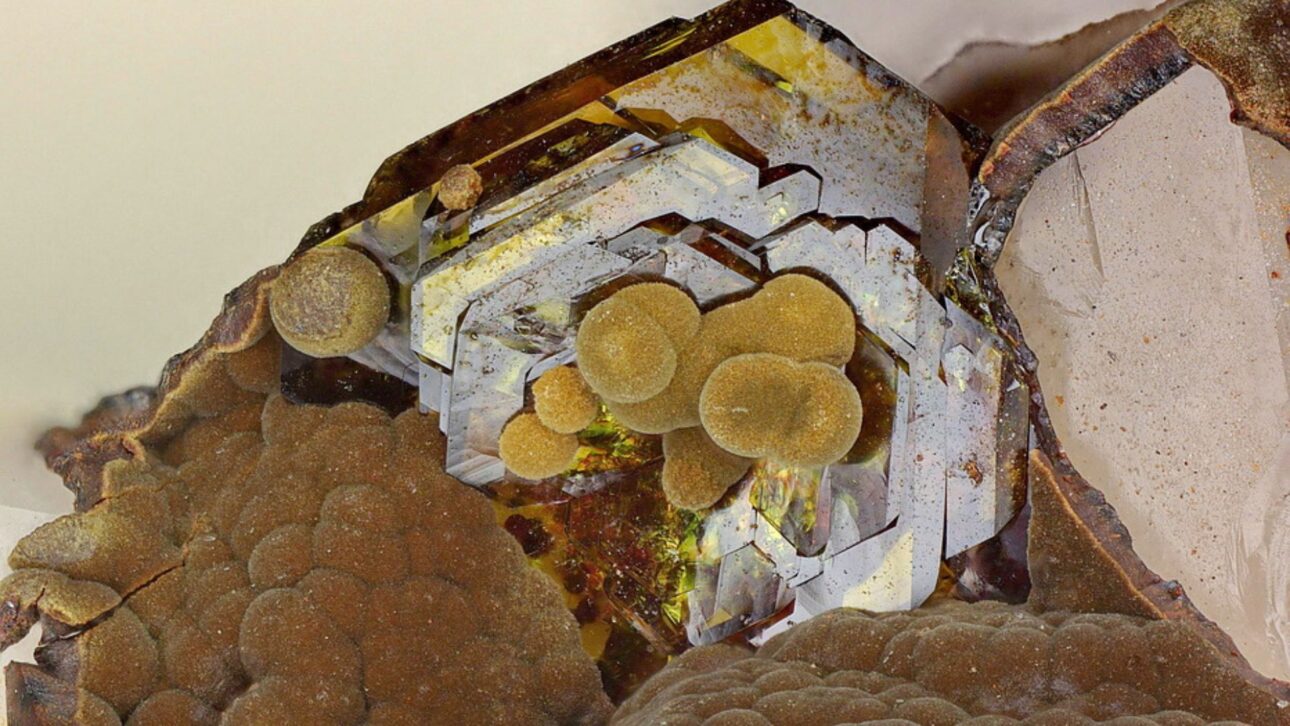
Mindat repeats the same essential data and reinforces that slottaite was approved in 2024, still with the status of a valid species in the formal publication phase.
In practice, this means that the mineral has undergone the technical process required for new species, which includes verification of composition, structure, and distinction from the thousands of minerals already described.
Clara Mine gathers hundreds of species and continues to reveal geological rarities
The relevance of the discovery grows when observing the history of Clara Mine. The New Mineral Names section of the American Mineralogist states that more than 472 unique mineral species have been recorded in this deposit, placing the locality among the most prolific on the planet for mineralogy.
The same source emphasizes that, despite this abundance, only 17 minerals had Clara Mine as their type locality, meaning the place where they were first recognized by science.
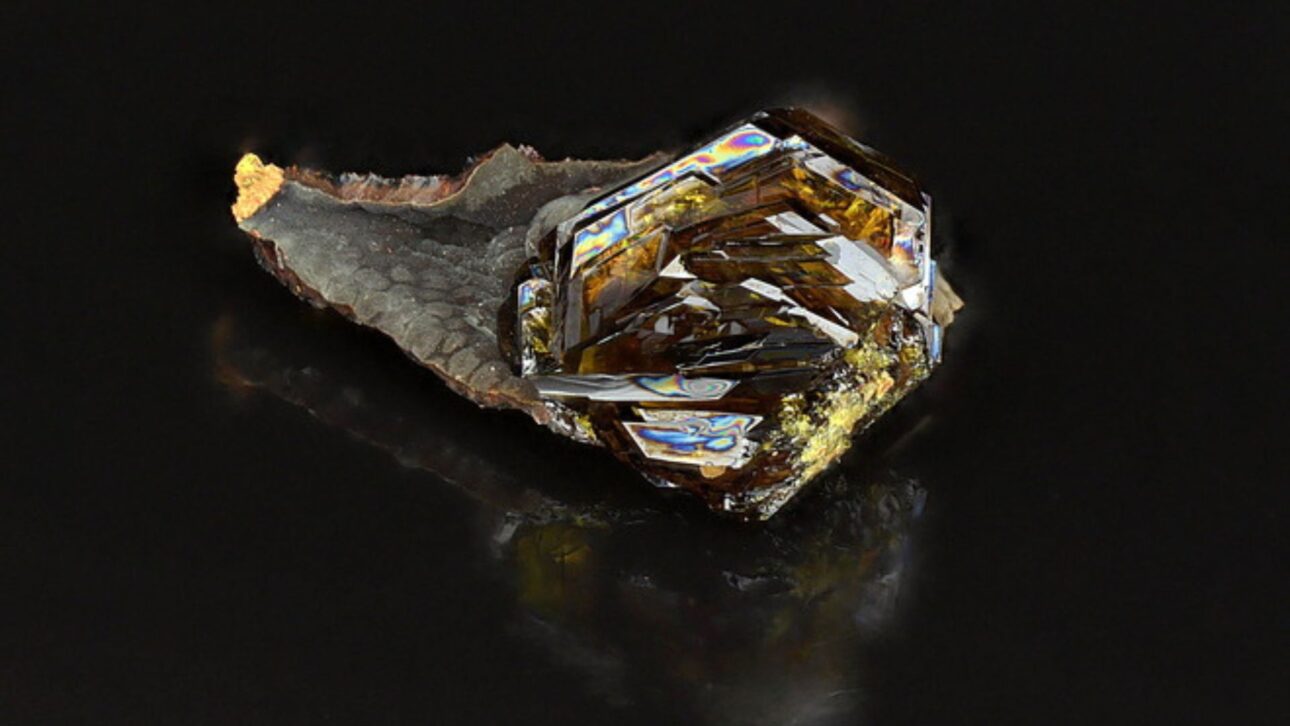
This is where slottaite gains special significance. The American Mineralogist itself reports that, at the time of its description, the mineral was known in only one locality in the world, precisely Clara Mine. In practical terms, this makes the species not only a new mineral but also a material of extremely restricted occurrence.
The combination of mineralogical diversity and rarity of new species helps explain why Clara Mine continues to attract collectors, researchers, and specialists. It is not an ordinary deposit, but a geological point that has already established itself as an international reference for the identification of rare minerals and microminerals.
Carsten Slotta identified what stood out among crystals of a few millimeters
Mindat reports that slottaite was named in honor of the German Carsten Slotta, born on December 4, 1975, in Ghent, Belgium, for his contributions to the mineralogy of the Black Forest. The database also directly records that he discovered the mineral and provided the samples used in the scientific study.
This detail helps explain why the story stands out even in a field as technical as mineralogy. The discovery did not come solely from an institutional laboratory, but from the trained eye of someone who has worked with mineral samples for years and was able to perceive that a certain material did not fit into the already known species.
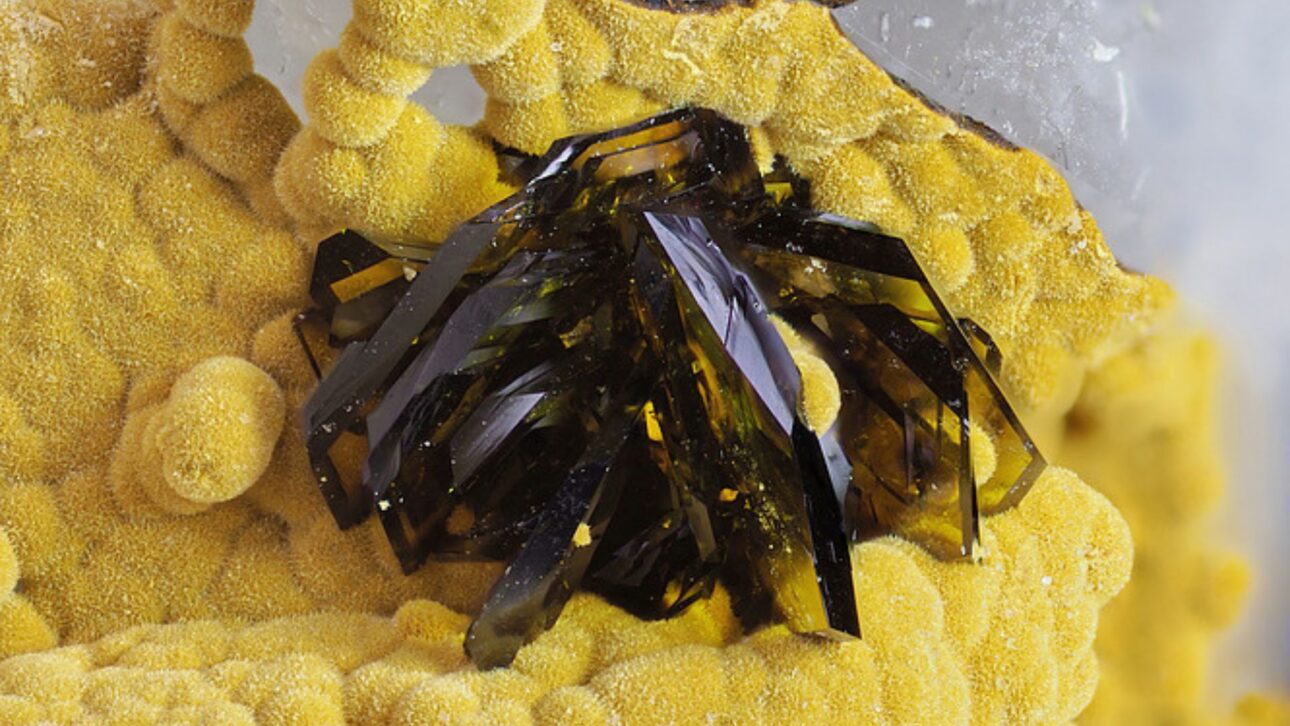
In areas such as mineralogy, this type of practical contribution continues to have real scientific value, especially when the discoverer submits the material for formal analysis.
The images and records of Mindat show that slottaite appears in very small crystalline aggregates, associated with goethite and quartz from the Clara Mine.
From the collected sample to the official name, approval requires unique chemistry and structure
The bulletin of IMA-CNMNC shows that slottaite was not only announced but described with precise crystallographic data and chemical composition.
The text records its ideal formula, the trigonal system, the crystal cell parameters, and the deposit of the type material at the Fersman Mineralogical Museum of the Russian Academy of Sciences.
It also highlights the fact that the mineral belongs to the alunite supergroup, a set known for containing species with complex compositions involving sulfates, phosphates, and hydroxides. In the case of slottaite, the defining element in focus is strontium, combined with iron, phosphate, and sulfate, forming a unique chemical signature that supported the recognition of the species as distinct.
American Mineralogist also notes that the Clara Mine had already revealed other type-locality minerals defined by strontium, which reinforces the unique geochemical character of this German deposit.
Slottaite transforms a collector into a permanent name in the mineralogical catalog
By receiving the name slottaite, the new species permanently carries the signature of its discoverer. In mineralogy, this type of tribute is not just symbolic: it forever records the discoverer’s contribution within the international scientific nomenclature. In the case of Carsten Slotta, the naming also consolidates his connection with the mineralogy of the Black Forest, a region to which his name is already associated in specialized databases.
The story also reinforces another relevant point. Even in a highly technical science, great discoveries can still emerge from the combination of fieldwork, accumulated experience, and collaboration with researchers capable of validating the material.
Slottaite exactly summarizes this process: a rare crystal found by a collector, rigorously studied, and transformed into a new species accepted by the international mineralogical community.
With this, the Clara Mine enhances its reputation as one of the most extraordinary mineral localities in Europe, while the name Carsten Slotta becomes a permanent fixture in the global inventory of minerals.


Be the first to react!