Portuguese
  Spanish


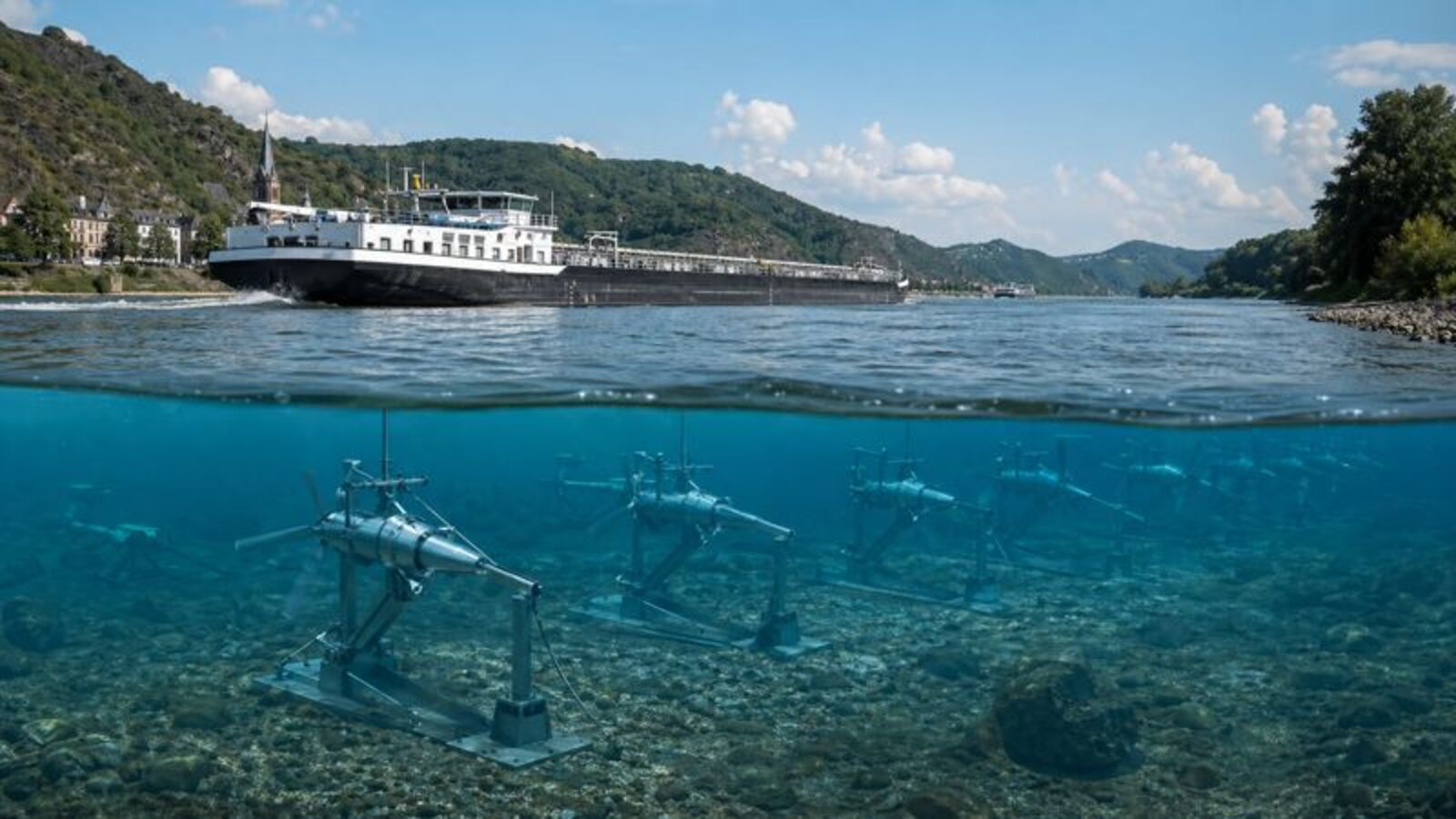


Installed in the bed of the Rhine River, submersible turbines take advantage of the current to generate continuous energy, with silent operation, modular structure, and less visual impact, without requiring large dams or reservoirs in the river areas of Germany
The submersible turbines installed in the Rhine River show an alternative for generating continuous electricity without large dams, without altering the natural landscape, and with silent operation, integrated into the flow of European waters.


Constant energy at the bottom of the river
The project implemented in the Rhine uses turbines placed below the surface to harness the natural force of the current.
The solution transforms the movement of water into electricity continuously, without relying on artificial drops or large visible structures.
-
Brazilian scientists are simultaneously advancing two research projects on clean hydrogen and driving solutions that could transform the energy matrix, enhance industrial competitiveness, and accelerate large-scale emission reduction targets.

-
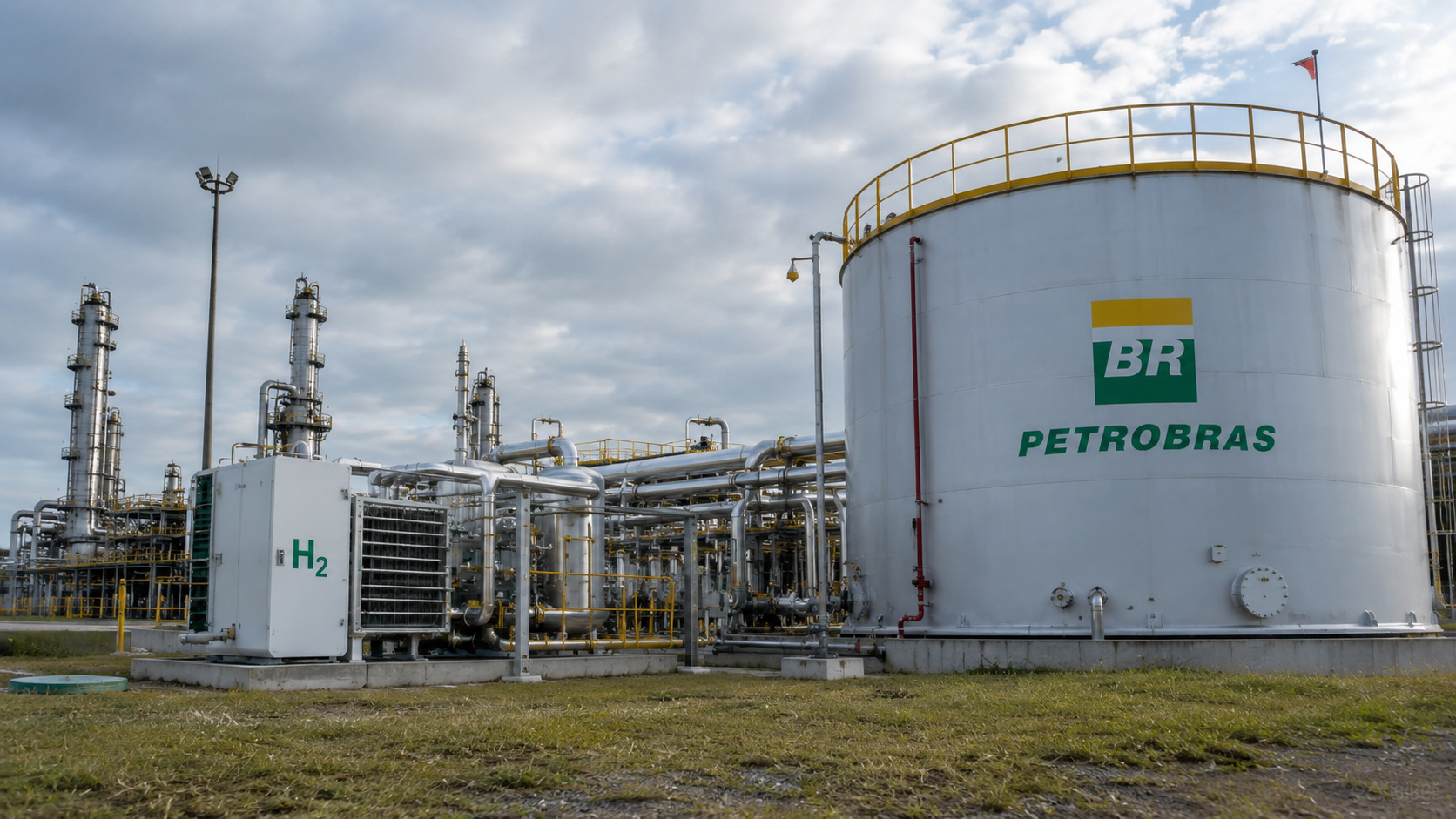
Advancement in renewable energy: A R$ 150 million project launched by Petrobras and Finep aims to create state-of-the-art electrolyzers for green hydrogen, strengthening national research and preparing Brazil to compete in a billion-dollar energy market.
-
Illiterate or semi-literate grandmothers were trained to repair solar systems, open rural workshops, and light up homes that still depended on kerosene.
-
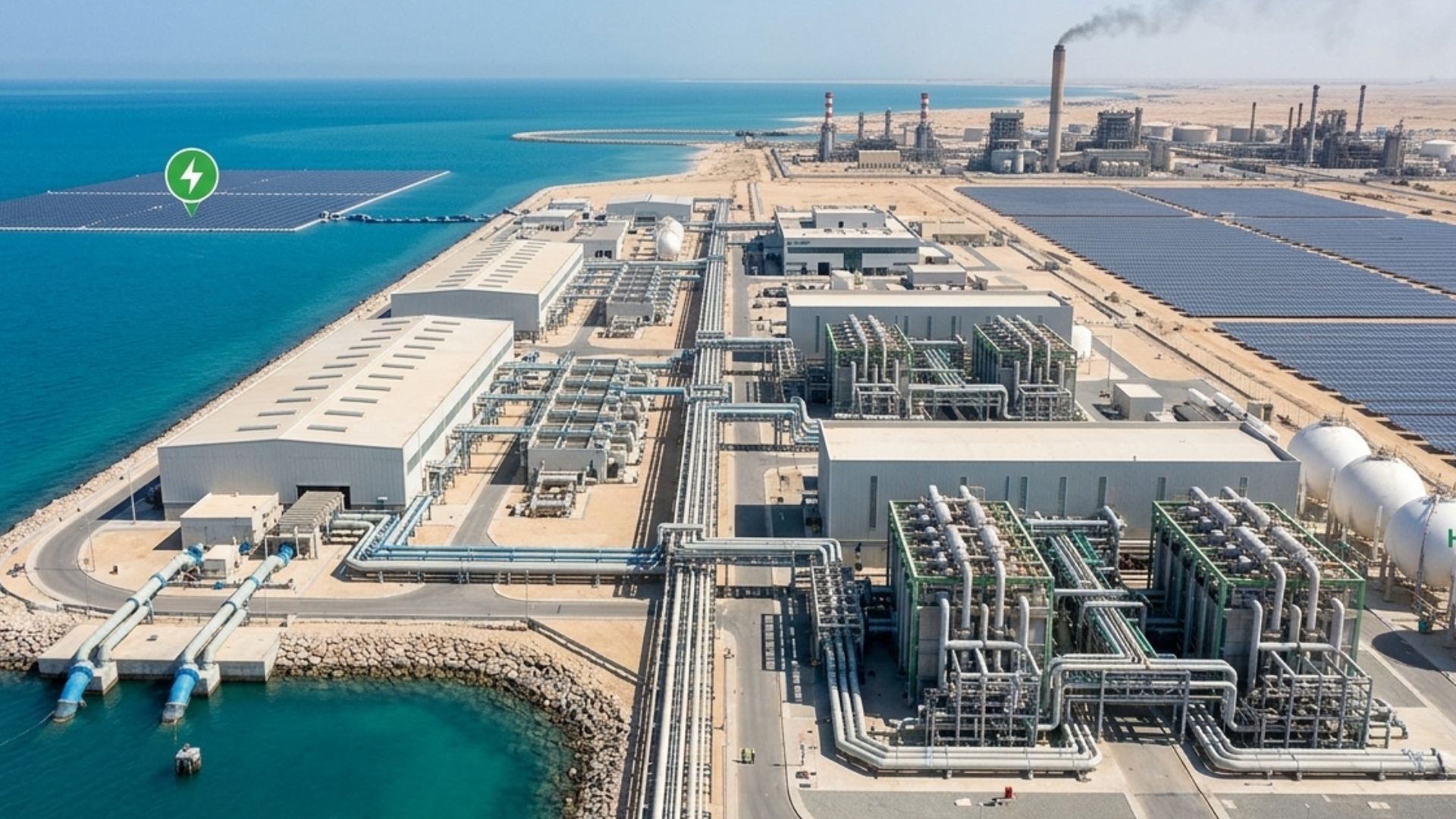
The world has bet on green hydrogen as the fuel of the future, but now faces the side effect: producing 1 kilogram requires about 9 liters of ultrapure water, and the largest projects on the planet are precisely in the driest regions of the Earth, where water is already scarce for people.



The plant formed by these submersible units demonstrates that rivers with high flow can participate in energy security with less interference in the environment.
The system operates discreetly, without erecting new monumental works. The logic is to generate energy without changing the river’s relationship with the landscape.
Unlike conventional hydropower plants, the technology does not require the construction of extensive dams. The equipment remains in the riverbed and uses the natural speed of the water to move rotors designed to capture kinetic energy.
This feature allows generation throughout the twenty-four hours of the day. The predictability of flow in large rivers, such as the Rhine, creates a more stable renewable source than alternatives dependent on sun or wind.
How submersible turbines work
The submersible turbines have hydrodynamic rotors prepared for slow currents. When water passes through the equipment, the rotors spin and activate sealed internal generators, protected against corrosion.
The German technology also uses flexible anchoring systems. They allow the units to adjust to the riverbed, maintaining stability without imposing rigid barriers to the natural course of the water.
The compact design facilitates modular installation. Each unit can be integrated into the set, allowing capacity to grow according to regional demand.
The location below the surface keeps the equipment out of the public’s visual field. The operation avoids significant noise and does not interfere with commercial navigation activities.
The engineering prioritizes durability and low maintenance. Its components withstand harsh conditions, with sealed generators and structures adapted to permanent contact with moving water.
Less dependence on the weather
The biggest difference compared to intermittent sources is the constancy of production. While solar panels depend on light and wind turbines vary with the winds, the river maintains a regular flow.
In the Rhine, this flow allows continuous production throughout the day and year. The generated energy can serve as base load, helping to maintain stable and secure supply.
The predictability facilitates consumption management. When production can be calculated more reliably, the regional power grid gains stability and reduces pressure for immediate systems.
This regularity also decreases dependence on fossil fuel-powered thermal plants. The system offers a renewable alternative to meet the real demand of consumers without sharp fluctuations.
With hundreds of modular units, the technology can form a decentralized supply network. The configuration strengthens energy infrastructure and distributes generation across multiple points.
Protection of wildlife and landscape
The preservation of the ecosystem has been treated as a priority in the development of the units called energy fish.
The project aims to generate electricity without blocking the path of fish and other aquatic organisms.
The rotors operate at controlled speeds. This condition allows the natural passage of wildlife, reducing physical risks and avoiding the creation of insurmountable barriers.
The installation also prevents the flooding of large areas, common in reservoir-based projects. In this way, original riverbanks, habitats, and landscapes remain preserved.
Among the environmental gains are the maintenance of sedimentary flow, a significant reduction in greenhouse gas emissions, and the preservation of natural riverbanks. The proposal seeks to coexist with wildlife.
The silent and invisible operation reinforces the system’s integration into the environment. The submerged turbines capture energy without transforming the surrounding landscape and without imposing major geographical or social changes.
Expansion to other rivers
The performance of the testing phase in Germany paves the way for adoption in wide river regions. Countries with extensive rivers can use similar solutions to serve remote communities or riverside urban centers.
The modular nature favors smaller projects at the start. A few units can be installed in one section and gradually expanded as the demand for electricity grows.
This scalability makes the technology attractive to markets seeking to decarbonize energy production. The system adapts to the environment, instead of requiring profound changes in the river’s course.
Global replication could reduce dependence on large hydraulic works. Without altering the landscape, the technology presents an engineering path for constant production with ecological responsibility.
The example of the Rhine shows how innovation and preservation can advance together. Submerged turbines emerge as a silent, modular, and predictable option to expand renewable electricity without dominating the natural environment.
With information from Catraca Livre.