






 Portuguese
  Spanish


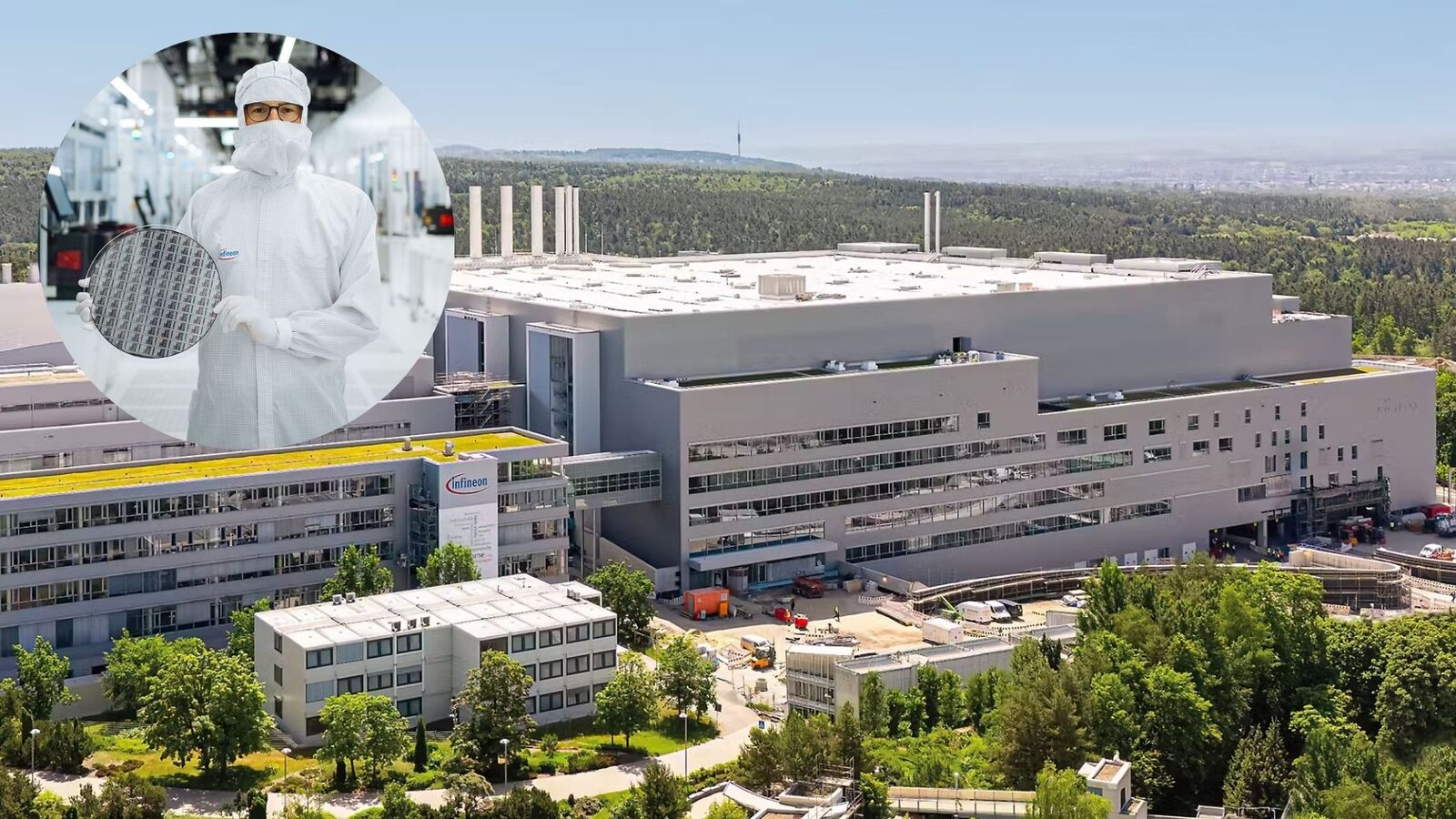

Largest investment in Infineon’s history doubles production capacity in Dresden, creates 1,000 direct jobs, and strengthens European manufacturing of semiconductors used in AI, power grids, renewable energy, and smart vehicles
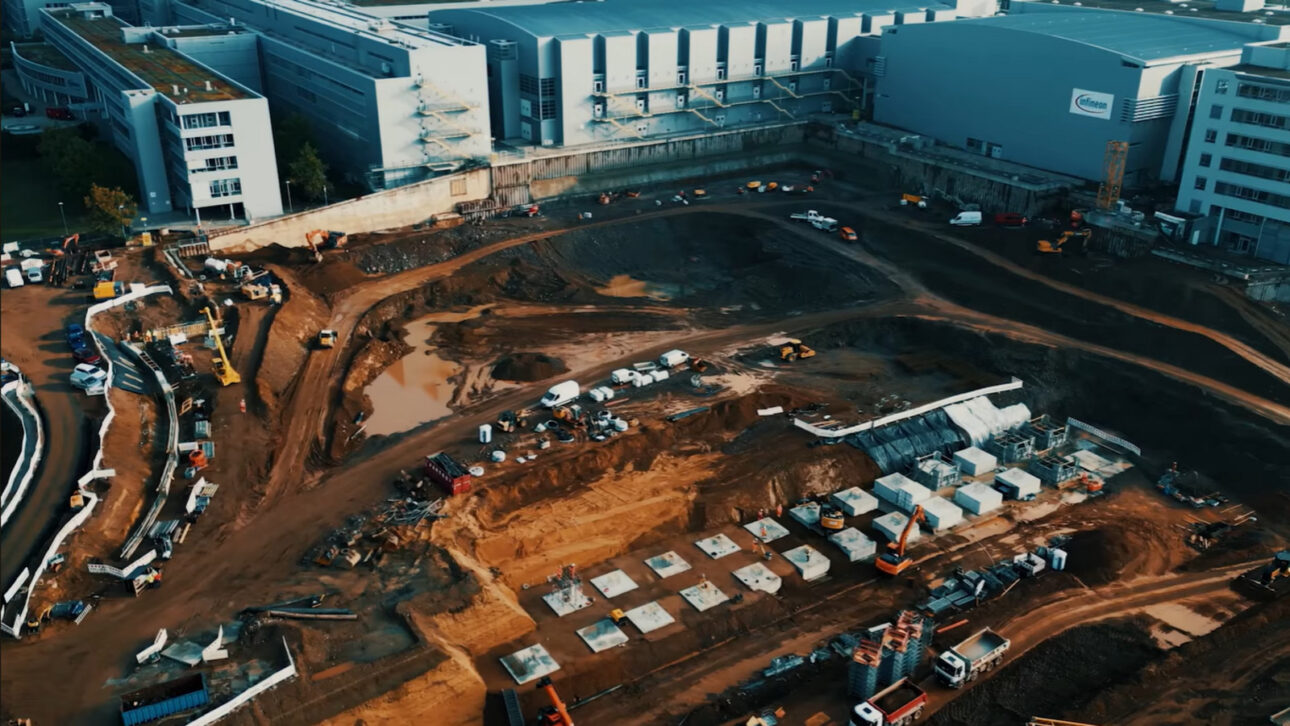
Infineon Technologies’ Smart Power Fab began operations in Dresden, Germany, months ahead of schedule, with an investment of € 5 billion, approximately US$ 5.7 billion. The facility is touted as the world’s largest factory for smart power semiconductors and analog/mixed-signal technologies, doubling the company’s local capacity.


Smart Power Fab expands chip production in Dresden
The new factory represents the largest investment in the history of Infineon Technologies. With this operation, the company creates 1,000 direct jobs and significantly expands its campus in Dresden, one of the company’s main manufacturing sites.
The facility will produce chips aimed at electricity conversion and management. These components are used to control energy more efficiently in systems that require high performance and stability.
-
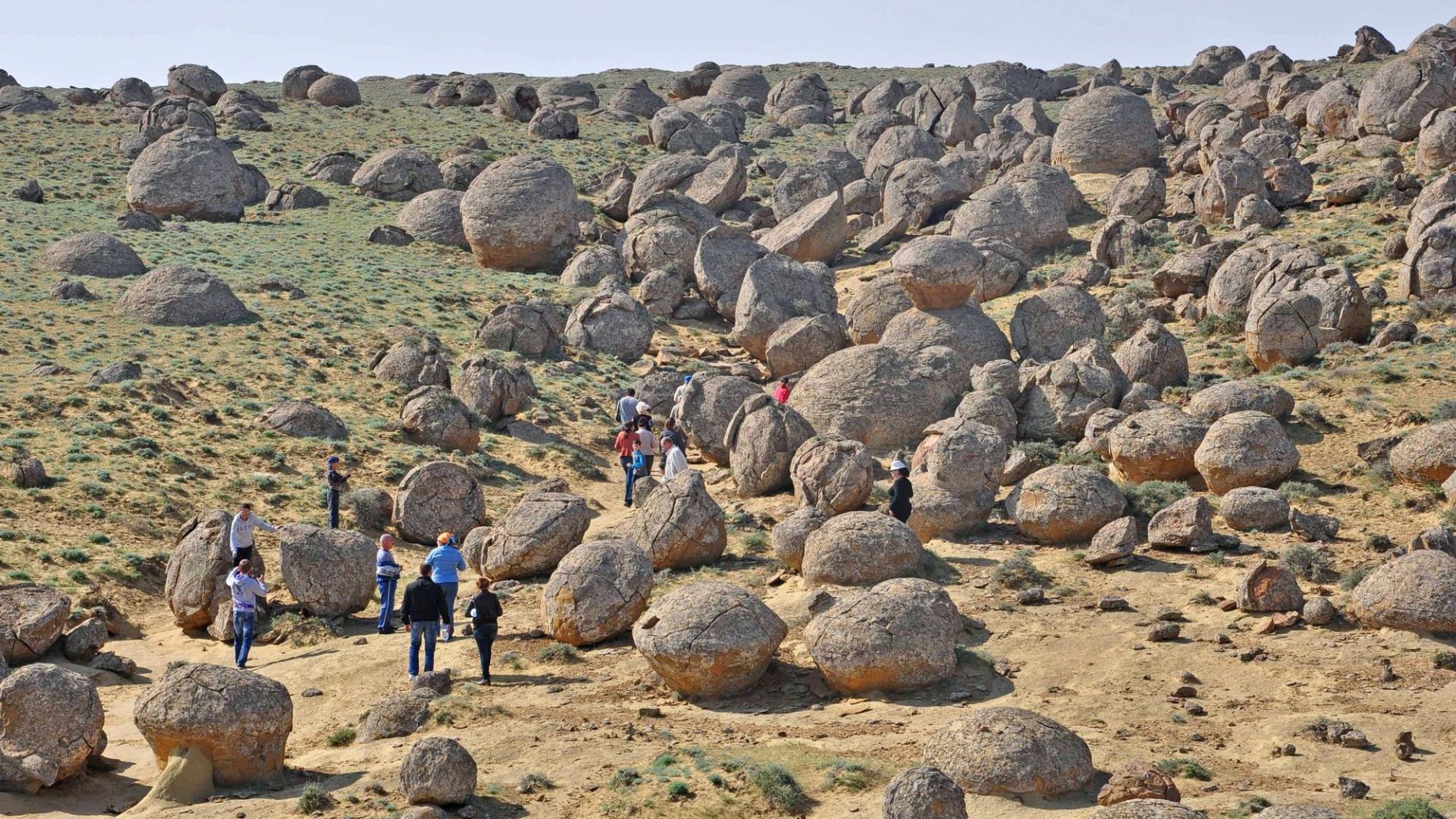
Kazakhstan’s Torysh Valley Holds Thousands of Giant Stone Spheres, Intriguing Scientists with Ancient Oceanic “Cannonballs”

-
Egypt Discovers 18 Ancient Tombs with Gold Tongues, Unveiling Unusual Funeral Rituals and Amulets Believed to Give Voice to the Dead

-
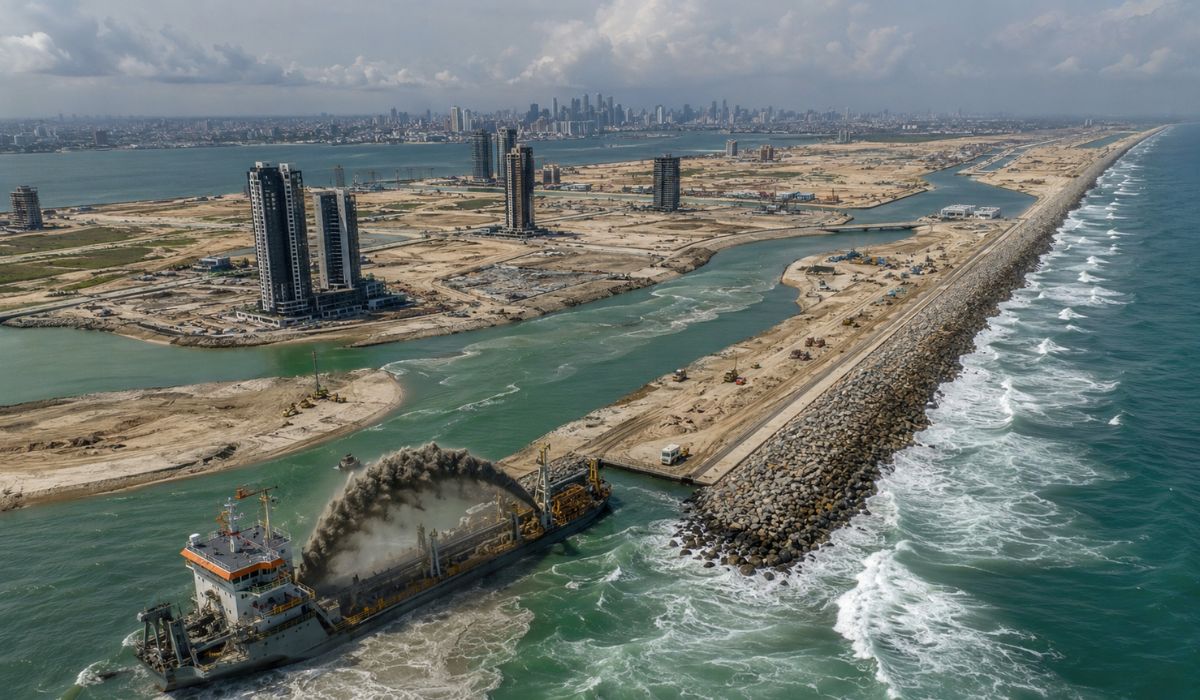
Nigeria Dumps 120 Million Tons of Sand into Atlantic to Build Massive City with 8.4 km Sea Wall for Protection Against Ocean Waves and Erosion
-
German Engineer Developed Diesel Engine Running on Vegetable Oil Decades Before Electric Cars Became Popular; Can This Forgotten Idea Work in 2026?



Among the planned applications are data centers with artificial intelligence, power grids, wind turbines, solar installations, industrial equipment, and software-defined vehicles.
Investment comes amid demand for power semiconductors
Infineon states that the expansion comes at a time of increased demand for power semiconductors across different sectors.
These chips have gained importance with the expansion of artificial intelligence infrastructure and the increased demand for electricity.
The company’s CEO, Jochen Hanebeck, said that the Smart Power Fab is creating “urgently needed” capacities for core technologies of the future. He also stated that the facility will help strengthen supply chains linked to critical sectors.
German Chancellor Friedrich Merz described the project as a strong signal for the European semiconductor sector. He stated that competitive chip production is still possible in Germany.
Merz also pointed out power semiconductors as essential for AI infrastructure and the energy transition.
Artificial intelligence helps accelerate production
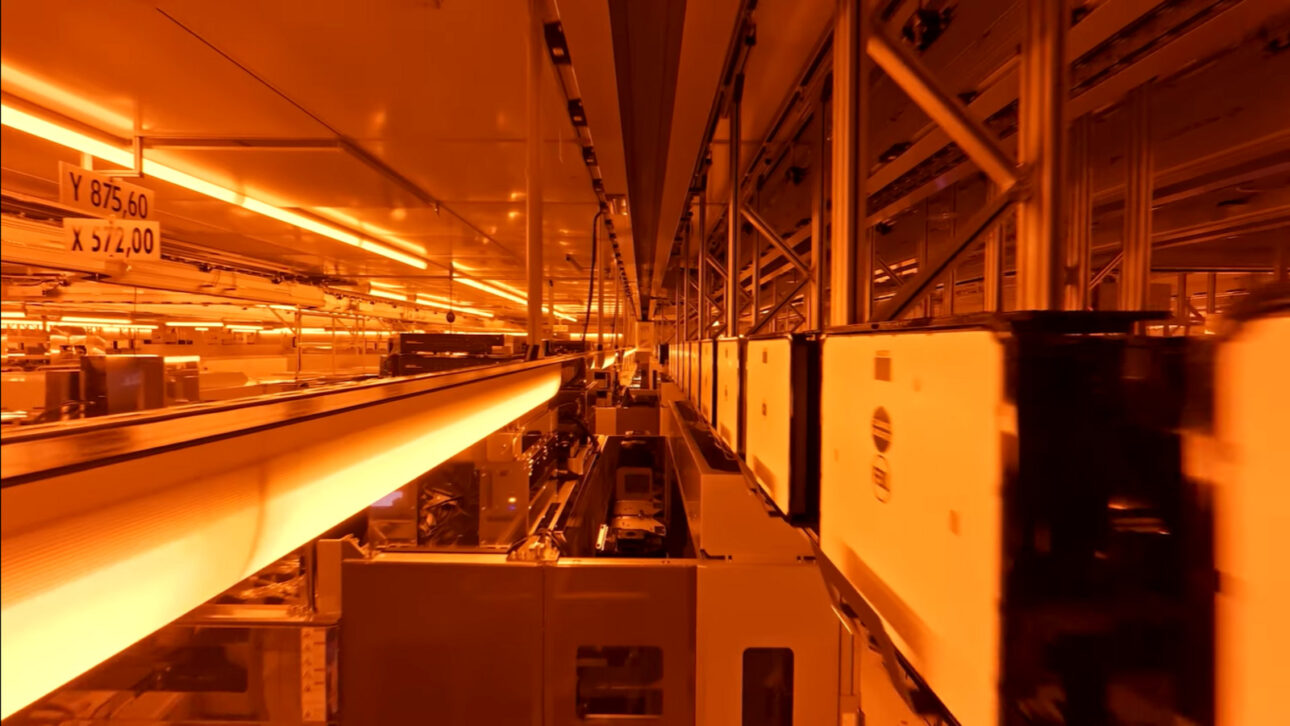
The factory in Dresden was equipped with digital manufacturing tools to reduce delays and allow for faster expansion of production capacity when demand grows.
Before construction, engineers created a digital twin to optimize the building layout and equipment positioning. Artificial intelligence also supports process qualification and production planning.
According to Infineon, these technologies can double the speed of production increase compared to previous manufacturing lines.
The German unit is also connected to the company’s factory in Villach, Austria, through the “One Virtual Fab” network. This allows engineers to qualify new products and processes at both facilities in less time.
Chips will serve AI, renewable energy, and software-defined vehicles
The chips manufactured at the Smart Power Fab will play a direct role in controlling electrical flow. In AI data centers, they help in power supply. In renewable energy, they support wind turbines and solar installations.
The factory will also produce components for software-defined vehicles. In this case, smart power switches can monitor electrical flow while controlling loads more efficiently.
Reducing the time between development and large-scale production is one of the central points of the project, especially in a scenario of expanding AI infrastructure.
Factory operates without natural gas and recycles process water
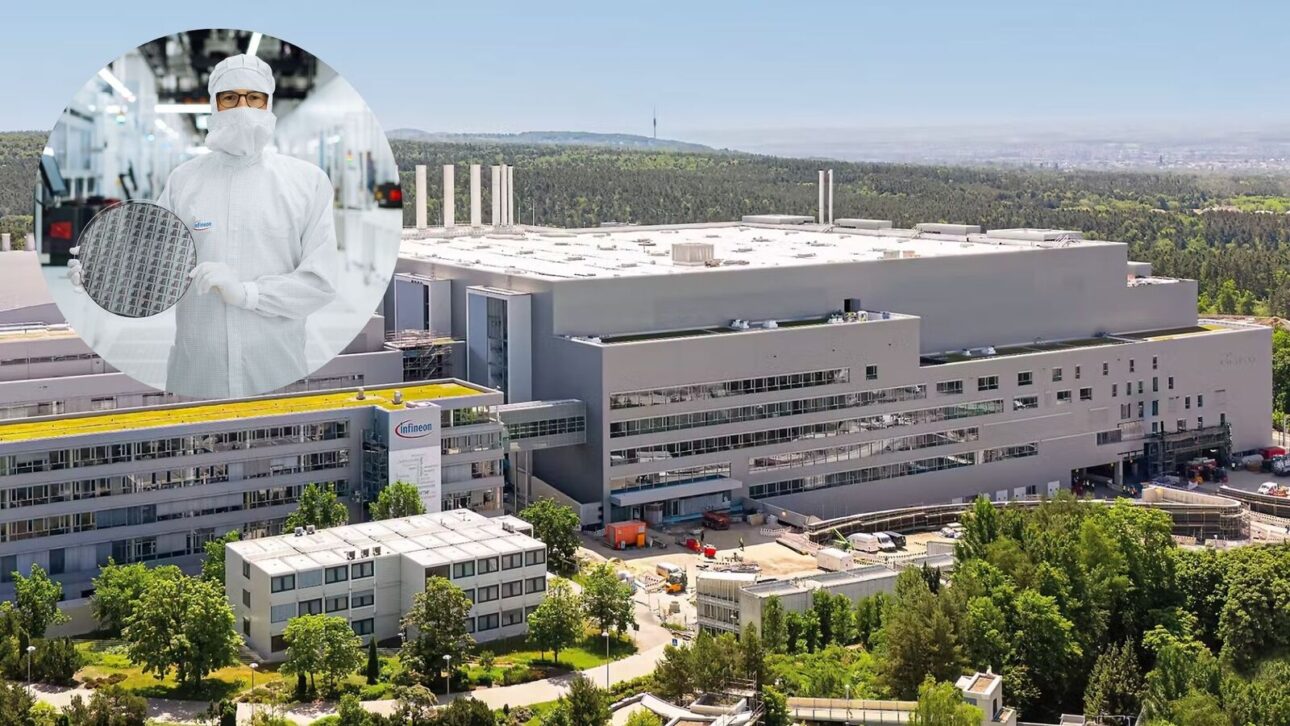
Infineon designed the new unit to reduce environmental impact along with increased production. The facility operates without natural gas.
Closed-loop water systems recycle about 90% of the water used in the process. The company also states that the project recovers up to 45% of the energy consumed during manufacturing.
The investment reinforces Dresden’s position in Silicon Saxony, pointed out as the largest semiconductor hub in Europe. More than 80,000 people work in the regional ecosystem.
In addition to the 1,000 direct hires, Infineon expects the new factory to generate additional jobs through suppliers and supporting industries.
This article was prepared based on information from Infineon Technologies and the provided base material, with data, numbers, and statements preserved as per the consulted material.


